Have you ever tried skating on synthetic ice? Synthetic ice has become increasingly mainstream over the last couple of decades. Factors such as the high cost of maintenance and environmental impact are driving the growing popularity of plastic ice rinks.
Everyone, from ice hockey players to figure skaters, can reap the benefits of getting in some practice time on synthetic ice. With synthetic ice tiles, a person can skate anytime, anywhere.
So, let's delve into the advantages and disadvantages to help you decide if it's the right choice for you.
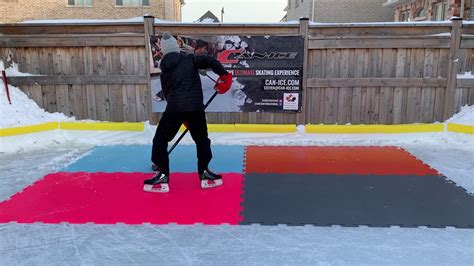
What is Synthetic Ice?
In a nutshell, synthetic ice is a form of plastic ice that’s used to replace real ice for skating. Rather than freezing water to create a skatable surface, it is made from high-density polymer (polyethene plastic). People living in climates that cannot maintain an ice rink can use a synthetic ice product to provide a skating experience regardless.
Who Needs Synthetic Ice?
The reason synthetic ice was invented was to ensure people who wanted to play winter sports, like hockey or figure skating, could do so without the cold needed to maintain natural ice. Sports teams can install synthetic ice into arenas to give more ice time to players in a synthetic rink if they can’t get to a real one. Consider installing some synthetic ice, so you can practice shooting skills even at home if you have an open basement.
Read also: Ice Skating in Central Park
The Pros of Synthetic Ice
There’s no denying that a traditional ice rink offers a more natural ice surface. Conversely, synthetic ice offers numerous benefits that make it the preferable option in most scenarios.
1. Year-Round Accessibility:
As we’ve touched on above, synthetic ice does not need to stay cold. Skating in the middle of August? A traditional ice rink needs a lot of work to be maintained and installed. You have to keep it at a cool temperature and be able to resurface it with large tools like a Zamboni. With synthetic ice flooring tiles, though, you can have the arena experience anywhere.
For families in warmer climates, synthetic ice offers year-round accessibility. There are times where your access to ice is going to be limited by availability and/or cost especially if you live in warm weather climates. Synthetic ice is the next best thing. Without the need for rink time or expensive fees, players can keep their skills sharp during the off-season.
2. Cost-Effective:
Read also: Ramsey County Skating
Keeping an ice rink going is an expensive proposition. Synthetic ice does not require compressors and maintaining the temperature and humidity are not an issue either. Thus it is possible to install synthetic ice in a variety of indoor settings including basements and garages in residential settings or perhaps in a warehouse for commercial uses. Synthetic ice rinks offer a cost-effective and high-quality solution to this ever-growing problem.
3. Environmentally Friendly:
It’s no secret that real ice rinks are heavy on resources. Synthetic ice rinks not only eliminate the water and electricity costs, but they are also made from completely recyclable material and designed to be environmentally friendly. Going green and practicing your favorite sport has never been easier.
4. Easy Installation and Maintenance:
Setting up a conventional ice rink is a costly and complicated business with numerous moving parts and ongoing expenditures. Real ice doesn’t last year round either. Most ice rinks have to be taken down come summer and then re-installed in the winter. Synthetic ice offers an easy solution. The installation of an artificial ice rink takes noticeably less time. Depending on the size, most rinks can be installed within a day. Your plastic ice rink can be as big or as small as you like.
Read also: Keystone Skates: A Historical Overview
Synthetic ice tiles can be easily installed by interlocking the tiles on a flat, firm surface without the need for tools or professional installation. Maintenance involves keeping the tiles clean from debris and occasionally using a specialized cleaner to maintain optimal glide and performance. You don’t need to worry about daily ice resurfacing with synthetic ice, as skate blades won’t cause damage to the surface as easily.
5. Versatility:
Contrary to conventional ice rinks, artificial or plastic ice rinks can be used anywhere, at any time. Synthetic ice rinks can be installed anywhere, at any time. If you want an ice rink in your basement, you can have it in your basement without having to worry about flooding the area when the ice melts.
The Cons of Synthetic Ice
Of course, no product is perfect. Even the best synthetic ice can have some negatives associated. Matching the glide effect of real ice has always been a big challenge for the synthetic ice industry. The reason? Low-quality synthetic ice can cause friction, leading to an undesirable skating experience and dull skates. Even the slightest amount of friction will disrupt a skater’s flow. It also makes gliding difficult and requires more effort.
1. Increased Friction:
When using synthetic ice, there is going to be a bit more friction than what you’d find with natural ice. While high-quality synthetic ice retains over 90% of the glide of natural ice, experienced skaters may notice the difference. In a way, though, this extra friction can be a good thing! Players practicing on synthetic ice will have to build up a bit more endurance to combat the friction on their glide. Skating on synthetic ice means pushing a little harder. While this could be a disadvantage for experienced skaters, learners and amateurs will feel more comfortable.
2. Blade Wear:
Unfortunately, synthetic ice can lead to some damage to an ice skate blade over time. Synthetic ice has to be made of a hard polymer surface to provide a sturdy surface to players that will not wear down. Skate blades need to be sharpened more often: This is due to the synthetic ice surface being much harder than the real ice one.
3. Maintenance:
As snow flakes and water on real ice skating rinks, synthetic ice skating could generate shavings while skating. A regular or daily brushing is recommended for best results. Some synthetic ice skating surfaces need an extra gliding lubricant to be spread over allowing the optimal gliding experience.
4. Initial Cost:
The high initial cost is one of the biggest hurdles for families. Installing synthetic ice can range from $1,230 for a smaller 8' x 20' surface to $6,675 for a larger 20' x 40' setup. Panels generally range from $20 to $30 per square foot, and you'll need to factor in regular cleaning and more frequent skate sharpening since the surface can wear down blades faster.
Synthetic Ice vs. Roller Blades for Off-Ice Training
Rollerblades VS Marsblade Frames
Want to train off-ice for hockey but unsure whether to choose synthetic ice or roller blades?
- Synthetic Ice: Best for replicating real ice skating. Use your regular skates to practice advanced techniques like edge work, crossovers, and stops.
- Roller Blades: Affordable ($100-$400) and portable. Ideal for stride mechanics, balance, and fitness.
Choose synthetic ice if you want to closely mimic on-ice skills and have the budget and space.
Key Considerations
Several factors differentiate synthetic ice tiles from panels:
- Synthetic ice tiles are typically smaller and more modular than panels, making them easier to install, reconfigure, and store.
- Synthetic ice tiles can be easily expanded or modified, allowing you to easily add more tiles to expand the skating area or change its shape.
- Regular ice skating blades are suitable for synthetic ice tiles; however, blades may require more frequent sharpening than when used on natural ice.
- With proper care and maintenance, synthetic ice tiles can last several years, although the exact lifespan will depend on the frequency and nature of use.
- Yes, most synthetic ice tiles are suitable for skaters of all ages and skill levels, from beginners to advanced athletes although some "Skating Tile" manufacturers do have weight limits.
Customer Experiences
Here are a few testimonials from users of synthetic ice rinks:
- "This rink is perfect for off season training... Our son loves it and uses it daily. Huge hit when friends come over!!! Easy to set up and has multi purposes for dry land and ice time!!!!"
- "We have been steadily growing our rink in the basement. Now up to 20 by 8. My 4 year old son learned to go from walking on the ice at 2 to flying around now at 4. My son loves the tiles for dry land training. Excellent customer service also."
- "We put together a 8'x16' rink for Christmas last year for our kids (now age 3 and 6) and they absolutely love it! When you first hit the ice, you do feel like a newborn foal trying to find its legs."