In the dynamic and fast-paced sport of field hockey, protecting yourself is as crucial as perfecting your skills. With sticks swinging and a hard ball flying, the risk of eye injuries is significant. Wearing the right eye protection isn't just a suggestion-it's a fundamental part of playing smart and staying in the game.
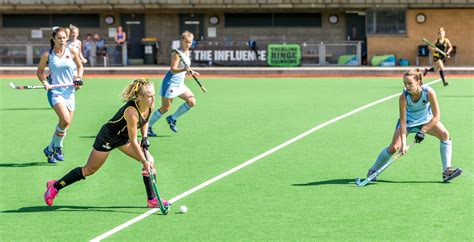
In 2018, over 28,000 people suffered eye injuries related to sports activities. Prevent Blindness strongly advises athletes to wear eye guards while participating in sports.
Eye guards are protective eyewear that can resemble glasses with temples or straps, or even shields attached to headgear. They come in various shapes and sizes, catering to different needs and preferences.
Why You Need Eye Protection for Field Hockey
Field hockey is a game of speed, skill, and precision. While you’re focused on making the perfect pass or scoring the winning goal, protecting yourself should be just as important as your performance. Your eyes are incredibly vulnerable in such a dynamic environment, and a single stray ball or stick can have lasting consequences.
Think of eye gear as an essential piece of your uniform, just like your stick or shin guards. It’s not about playing scared; it’s about playing with confidence. When you know you’re protected, you can commit to tackles and go for loose balls without hesitation. This mental freedom allows you to focus entirely on your technique and strategy, which is where real athletic improvement happens.
Read also: Choosing the Right Hockey Stick Size
Know the Impact Risks
The reality of field hockey is that it features hard projectiles and high-speed plays. A ball traveling at top speed carries enough force to cause severe eye injuries, including orbital fractures and retinal damage. It’s not just the ball you have to worry about, either-an accidental hit from an opponent’s stick during a crowded play can happen in an instant. These aren't minor scrapes; they are serious injuries that can lead to long-term vision problems and potentially end your athletic career. Protecting your eyes is a simple, non-negotiable step to prevent a devastating outcome.
Debunking Common Safety Myths
One of the most common sports eye safety myths is that if a league doesn't strictly require eye protection, it isn't necessary. This couldn't be further from the truth. Your safety should always come first, regardless of the rules. Another myth is that protective eyewear will interfere with your performance or limit your peripheral vision. Modern field hockey goggles are designed to be lightweight, comfortable, and provide a wide, clear field of view. In fact, playing with the confidence that your eyes are safe can actually help you focus better on the game.
Check Your League's Rules
While personal safety is reason enough, many leagues have already made the decision for you. Organizations like the National Federation of State High School Associations (NFHS) have specific mandates for eye protection. The High School Field Hockey Eyewear Rule requires all players to wear protection that meets the ASTM F2713 standard. This certification means the gear has been rigorously tested to withstand impacts specific to field hockey. Always check the current regulations for your school, league, or association to ensure your gear is compliant. This not only keeps you safe but also ensures you're eligible to play.
Types of Field Hockey Eye Gear
Choosing the right eye gear can feel overwhelming with all the options out there, but it's simpler than it looks. Most gear falls into a few main categories, each designed to offer specific types of protection. Understanding these options will help you find the perfect match for your needs on the field, whether you prioritize a wide field of vision, full-face coverage, or prescription compatibility. Let's break down the main types so you can make a confident choice.
Protective Goggles
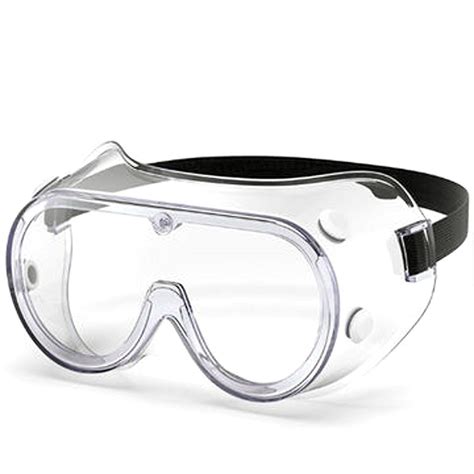
Protective goggles are the most common type of eye protection you'll see in field hockey. They are designed specifically to shield your eyes from stray balls and sticks without obstructing your view. When shopping for a pair, look for frames made of highly impact-resistant plastic or polycarbonate. The best ones also have soft rubber padding where the frame touches your face, which adds a layer of comfort and absorbs shock. Another key feature is ventilation. Vented frames allow air to circulate, which is a game-changer for preventing your lenses from fogging up mid-play and keeping your vision clear.
Read also: East Stroudsburg Field Hockey: A Look Back
Face Masks and Shields
For players seeking more extensive coverage, face masks and shields are an excellent option. These protect not only your eyes but also your nose, cheeks, and sometimes your jaw. This is especially important for defensive players or during penalty corners when the risk of a high-speed ball to the face is greater. When choosing a mask, make sure it’s made from materials that allow for easy breathing so you can maintain your stamina. Crucially, any eye protection you wear must meet the ASTM standard for field hockey (F2713), which ensures it has been tested for the specific impacts common in the sport.
Prescription Sports Eyewear
If you wear glasses, you know the struggle of trying to fit them under standard goggles. Prescription sports eyewear solves this problem entirely. These are specially designed goggles or glasses that can be fitted with your personal prescription, giving you crystal-clear vision on the field. Having your prescription built directly into the lenses not only improves your clarity and performance but is also much safer than wearing regular glasses, which can shatter upon impact. This allows you to track the ball and see plays unfold without any distortion or discomfort.
Combination Protection Systems
Sometimes, one piece of gear isn't enough. Combination systems allow you to pair different types of protection for maximum safety. This could mean wearing protective goggles along with a separate mouthguard or a lower-face shield. The goal is to create a customized setup that makes you feel secure and confident. Any eyewear used in these systems should meet the ASTM F2713 standard, which is designed to protect you from both direct and indirect impacts. Combining gear is a smart way to get comprehensive coverage, especially if you play in a high-contact position.
Key Features Your Eye Gear Needs
When you’re scanning the field for your next play, the last thing you need is your gear getting in the way. Choosing the right eye protection is about more than just meeting league requirements; it’s about finding a piece of equipment that works with you, not against you. The best field hockey eye gear combines safety, comfort, and crystal-clear optics to ensure your vision is never compromised. Think of it as an essential tool that keeps you safe while helping you perform at your peak. To make a smart choice, you need to know exactly what features separate the best options from the rest.
Check for Impact Resistance and Strong Materials
In a fast-paced game like field hockey, your eye gear is the primary shield against flying balls and high sticks. That’s why its ability to withstand impact is the most critical feature. Look for goggles made from shatterproof materials like polycarbonate, which is the same material used for bullet-resistant glass. It’s incredibly durable yet lightweight. Most high-quality sports frames are built with highly impact-resistant plastic and often include soft rubber padding where the gear touches your face. This ensures the frame can absorb and distribute the force of an impact, protecting the delicate areas around your eyes.
Read also: US Field Hockey in the Olympic Games
Prioritize Comfort and a Secure Fit
If your eye gear is uncomfortable, it becomes a distraction. Goggles that slip down your nose, pinch your temples, or feel too heavy will pull your focus away from the game. A secure and comfortable fit is essential. Look for features like an adjustable head strap that allows you to customize the tension for a snug fit that won’t budge while you’re running. Padding around the nose bridge and along the browline also prevents chafing and pressure points during long games or practices. The right gear should feel so natural that you almost forget you’re wearing it.
Find Gear with Anti-Fog and UV Protection
Clear vision is non-negotiable, but a common issue with eye gear is fogging, especially as you start to sweat. Lenses that cloud up can be dangerous, obscuring your view of the ball and other players. To avoid this, seek out goggles with an anti-fog coating or treatment applied to the lenses. Additionally, if you play outdoors, UV protection is a must. Just like your skin, your eyes are susceptible to damage from the sun’s harmful rays. Lenses that block 99% or more of UVA and UVB radiation will protect your long-term eye health.
Look for Proper Ventilation
Proper ventilation works hand-in-hand with anti-fog coatings to keep your vision clear. Well-designed eye gear features vents along the frame that allow air to circulate freely. This airflow helps manage heat and moisture, preventing the warm, humid air from your face from condensing on the cooler lenses. The key is to find a design that provides enough ventilation to prevent fogging without being so open that it allows dirt, turf, or rain to get inside. This small detail makes a huge difference in maintaining consistent visibility throughout the entire game.
Ensure Prescription Compatibility
For athletes who wear glasses, finding the right eye protection can seem challenging. Playing with your regular glasses under a pair of goggles is often uncomfortable, and the glasses can break or shift during play. Thankfully, many of the best sports goggles are designed with prescription compatibility in mind. Some models allow you to insert your prescription lenses directly into the frame, providing the sharp, clear visual acuity you need to perform your best. This feature ensures you don’t have to sacrifice sight for safety, allowing you to track the ball and react quickly with confidence.
How to Choose the Right Eye Gear for You
Finding the perfect eye gear is about more than just grabbing the first pair you see. The right protection feels like a natural extension of you, keeping you safe without getting in the way of your game. Your personal needs, playing style, and even the environment you play in all come into play. Think of it as a personalized piece of equipment, just as important as your stick. To make the best choice, you’ll want to consider a few key factors that will help you find gear that offers maximum protection, a comfortable fit, and a clear line of sight to the ball. Let's walk through what you need to look for to find the ideal eye protection for your specific needs on the field.
Consider Your Position on the Field
While some leagues have specific rules, it’s always a smart move to wear eye protection, no matter your position. The game is fast, and a stray ball or stick can cause serious injury in a split second. Forwards might prioritize a wider field of vision to track plays and see the goal, while defenders, who often face direct shots and more aggressive plays, might need more robust, cage-like protection. Goalies, of course, have their own specialized helmets with full-face shields. Even if you’re a midfielder covering the whole field, you’re still at risk. The bottom line is that every player benefits from having their eyes shielded, so it's best to make it a non-negotiable part of your protective gear.
Get the Right Size and Fit
If your eye gear is constantly slipping down your nose or pinching the sides of your head, it’s not just annoying-it’s a safety hazard. A poor fit means your eyes aren't fully protected, and the constant distraction can pull your focus from the game. Look for goggles with adjustable straps and soft padding around the nose bridge and temples. These features allow you to create a secure, customized fit that stays put while you’re running, dodging, and making plays. The right gear should feel snug but not tight. When you find a pair that fits well, you’ll forget you’re even wearing it, which is exactly what you want.
Think About Weather Conditions
Your ability to see clearly can change dramatically depending on the weather. Playing on a hot, humid day can cause your lenses to fog up, while a sudden downpour can leave you struggling to see through water spots. To combat this, look for eye gear with features designed for various conditions. Vented frames are a game-changer, as they allow air to circulate and reduce fogging without letting in dirt or moisture. Many high-quality goggles also come with an anti-fog coating on the lenses. Choosing sports goggles with these features ensures your vision stays sharp, whether you’re playing under the bright sun or on a misty morning.
Look for Key Safety Certifications
This is the most important factor to consider when choosing your eye gear. To ensure you’re getting reliable protection, always check for an ASTM F2713 certification. This is the official safety standard for field hockey eye protectors, meaning the gear has been rigorously tested to withstand impacts from both the ball and a stick. You can usually find this certification listed on the product’s packaging or in its online description. Don’t settle for anything less. Buying certified gear gives you peace of mind, knowing that your eyes are protected by equipment that meets the highest safety requirements for the sport. It’s a simple check that makes a huge difference in your on-field safety.
ASTM Standards and NFHS Rule Changes
Each sport has a specific ASTM standard, so check the package and/or protector to make sure the appropriate ASTM standard designation for the sport is on the product before buying it. Eye guards which are certified by an authorized certification organization such as Safety Equipment Institute (SEI) or independently tested by an accredited laboratory provide independent verified evidence of protection and performance.
In 2020, The National Federation of State High School Associations (NFHS) eased its rule requiring protective eyewear for field hockey. Under the new rule, which went into effect for the 2020 season, protective eyewear is no longer required for high school field hockey.
According to Dale Pfriem, chairman of the ASTM committee charged with developing standards for protective eyewear for sports, the stated NFHS reasoning is lacking in both scientific and medical rational and puts high school players at risk. Pfriem further points out the lack of research behind this new rule.
The American Optometric Association (AOA) has also voiced concerns about the Federation’s rule change.
“The position that protective goggles do not to reduce the number of eye injuries, particularly those of a catastrophic nature, is inaccurate. Eye protection is effective in preventing and reducing ocular injuries among athletes participating in high-risk sports. The ball-and the stick used by players-are just the right size to fit in the orbit and can do a lot of damage to an eyeball,” said Dr. Michael C.
The federation, which writes rules for playing high school sports and provides guidance on other national issues, says its ultimate goal is “to ensure that all students have an opportunity to enjoy healthy participation, achievement and good sportsmanship in education-based activities.”
“A perfectly reasonable standard for protective eyewear for field hockey had been in place for many years,” Dr. Citek says.
“While there is a required ASTM standard for field hockey goggles, there is no NOCSAE (National Operating Committee on Standards for Athletic Equipment) standard, which is preferred as NOCSAE’s aim is to protect against worst-case injury,” the online article reads. “The ASTM 2713 standard is not protective against a direct ball to the eye in testing.
“As a result (of federation statements in the article), there has been some confusion about the importance of eye protection in field hockey,” the letter reads.
“With the current state of affairs, it is imperative that we highlight the importance of a national mandate for eye protection in high school field hockey and address the confusion that protective goggles are claimed not to reduce the number of eye injuries, particularly those of a catastrophic nature, as purported (by the federation).
“Rule changes that mandate protective equipment have been shown to be effective at increasing eyewear protection,” they wrote.
Concerns about safety have not lessened since signing the letter. “The ball-and the stick used by players-are just the right size to fit in the orbit and can do a lot of damage to an eyeball,” Dr. Citek says.
Start with conversations with your patients engaging in sports, their parents and coaches.
The split second you flinch is the split second you lose the play. In a game as fast as field hockey, hesitation is the enemy of performance. So much of that hesitation comes from a natural instinct to protect yourself, especially your eyes. When you’re not fully confident in your gear, you might subconsciously turn your head or pull back from a challenge.
The right field hockey eye gear does more than just shield you from a stray ball or stick; it removes that mental barrier. It gives you the confidence to keep your eyes on the ball and your head in the game, allowing you to focus completely on your skills and strategy.
- Look for the ASTM F2713 Certification: This is your non-negotiable safety check.
- Prioritize a Secure Fit and Unobstructed Vision: Your gear should work with you, not against you.
- Choose for Your Position and Maintain Your Gear: Select protection that matches the demands of your role on the field.
When purchasing eye guards with lenses, make sure the lenses either stay in place or pop outward in the event of an accident. Fogging of the lenses can be a problem when you are active. Some eye guards are available with anti-fog coating and others include side vents for additional ventilation.
Polycarbonate eye guards are the most impact resistant. Polycarbonate lenses are also thinner and lighter than plastic, shatterproof, and provide UV protection.
Sports eye guards should be padded or cushioned along the brow and bridge of the nose. Try on the eye protector to determine if it’s the right size. Adjust the strap and make sure it’s not too tight or too loose. Until you get used to wearing a pair of eye guards, it may feel strange, but bear with it.
If you wear prescription glasses, ask your eye doctor to fit you for prescription eye guards. If you’re a monocular athlete (a person with only one eye that sees well), ask your eye doctor what sports you can play safely.
Buy eye guards at sports specialty stores or optical stores.
Table: Key Features of Field Hockey Eye Gear
| Feature | Description |
|---|---|
| Impact Resistance | Made from shatterproof materials like polycarbonate. |
| Comfort and Fit | Adjustable straps, soft padding for a snug fit. |
| Anti-Fog Coating | Prevents lenses from fogging up during play. |
| UV Protection | Blocks harmful UVA and UVB radiation. |
| Ventilation | Vents along the frame for airflow. |
| Prescription Compatibility | Models that allow insertion of prescription lenses. |
| ASTM F2713 Certification | Meets the official safety standard for field hockey eye protectors. |