Building an ice skating rink requires careful planning and execution to create a safe and enjoyable experience for skaters. Whether you are looking to construct an ice rink for recreational purposes or professional events, understanding the key aspects involved is crucial. Ice rinks hold a particular fascination; they are closely related to winter magic and Christmas tales. Many want to form part of the ice skating fun and seek it in their area. Besides the natural frozen lakes, indoor ice skating rinks have become a popular option. Nowadays, an ice hockey rink attracts hundreds of spectators and sports enthusiasts. But how are they made? And is there more than just the ice rink surface?
Ice surfaces serve various purposes and have captivated people’s imaginations for centuries. An ice rink, at its core, is a specially designed surface made of frozen water that allows individuals to skate, play, or perform activities on it. These rinks vary, from small backyard installations to massive, professional facilities.

An example of an indoor ice rink.
Conventional vs. Synthetic Ice Rinks
Conventional ice rinks, often called “indoor ice rinks,” are the most common type. They provide a controlled environment for ice-based activities during the coldest months of the year, making them essential to many communities.
Synthetic ice rinks are a modern alternative to conventional ones, offering a unique and versatile solution for ice-based activities. Synthetic ice rinks, also known as artificial ice rinks, are made to replicate the experience of ice skating on a surface that is not made of real ice.
Read also: Remembering Christopher Bowman
The manufacturing of synthetic ice rinks involves creating specialized panels with a high-density polymer. The panels are designed to interlock securely, creating a stable and seamless surface. Synthetic ice rinks offer an exciting and versatile alternative to conventional ice rinks.
Constructing a Conventional Ice Skating Rink
Constructing an ice skating rink involves several steps, including site preparation, installation of the ice rink system, and ice formation.
1. Subfloor Preparation
The construction of indoor skating rinks begins with the subfloor preparation. This step is crucial as it sets the foundation for the entire ice surface. The subfloor typically consists of a concrete base, carefully leveled and insulated to prevent heat from escaping into the ground.
2. Piping System Installation
One of the critical elements in an ice rink’s construction is the piping system. A network of pipes is embedded in the subfloor, which circulates a coolant, often a mixture of water and antifreeze. This coolant system is responsible for regulating the temperature of the ice.
3. Ice Formation
To create the ice surface, thin layers of water are applied repeatedly. This process is typically done using a Zamboni-like ice resurfacer, which ensures an even distribution of water. Layer by layer, the ice surface is built until it reaches the desired thickness, usually about 2.5 cm (one inch). In this process, it is important to maintain an even surface throughout. Fill the rink with multiple layers of water, allowing each layer to freeze completely before adding the next.
Read also: Action Figures: Starting Lineup
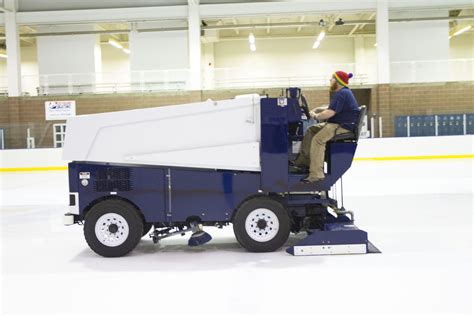
A Zamboni ice resurfacer in action.
Refrigeration Systems
Ice skating rinks are made using refrigeration systems that help regulate the temperature of the ice surface. The refrigeration system consists of a network of pipes installed under the ice, through which a coolant, typically a brine solution or glycol, circulates. The refrigeration system works in conjunction with a chiller or compressor unit to extract heat from the ice, maintaining a cold temperature and preventing the ice from melting.
H.Stars Group with 30+ years of experience can help you with our advanced HVAC equipment, such as heat pump, air-cooled chiller, water-cooled chiller and etc.
Ice Thickness: The thickness of the ice in an ice skating rink is a critical factor in ensuring its safety and structural integrity. Generally, the ice thickness for an ice rink varies between 1.5 to 2 inches (3.8 to 5.1 centimeters). However, for professional ice hockey rinks or high-traffic areas, the ice thickness can be increased up to 3 inches (7.6 centimeters) or more.
Temperature Requirements: To maintain a solid and skateable ice surface, ice skating rinks are typically kept at temperatures below freezing. The ideal temperature range for an ice skating rink is between 22°F to 26°F (-5°C to -3°C). However, this may vary depending on factors such as humidity, outdoor temperature, and the type of rink.
Read also: Discover the story of Charlie White
Maintaining a Conventional Ice Rink
Maintaining a conventional ice rink involves constant care and attention to ensure a safe and high-quality skating experience.
- Temperature Control: It is essential to maintain the surface at the correct temperature at all times.
- Regular Resurfacing: Frequent resurfacing is essential to keep the ice in prime condition. Ice resurfacing machines, commonly known as Zambonis, scrape the surface, remove imperfections, and add a thin layer of hot water to create a smooth finish. This process may need to be repeated multiple times during busy hours.
- Crack and Imperfection Repair: Ice rinks experience wear and tear, especially in high-traffic areas. Unaddressed cracks or imperfections on the surface can turn into safety hazards.
- Sustainability Efforts: In recent years, there has been a growing emphasis on sustainability in ice rink management. Maintaining energy-efficient systems, reducing water consumption, and implementing eco-friendly refrigerants are some challenges rink operators face to minimize their environmental impact.
Ice Rink Maintenance Best Practices
Ice maintenance is a key component of a successful ice skating recreation center. If your ice surface is not properly cared for, ice sports won’t be able to be properly performed. If you want your clientele to return to your recreation center you need to offer a product worth returning to. In addition, performing proper maintenance reduces expenses and increases your potential profit margin.
First and foremost, regular ice maintenance allows you to offer your best possible product. The product you are selling to your customer is the quality of your ice. While skating or hockey lessons may be a facet of your business model, all of these depend on a quality ice surface. In addition, performing regular maintenance reduces your energy costs. The thicker your ice, the more difficult to maintain a proper temperature and the harder your compressor will need to work to keep the temperature stable. Planning your maintenance and committing to that schedule is the key to running a successful recreation center ice rink.
Depending on your type of rink and the activities that take place, rink maintenance can look different. Here are a few best practices to help you improve ice quality while reducing operational costs.
- Invest in Electric Resurfacers: Like electric cars, electric resurfacers or Zambonis are great for improving ice quality and rink maintenance while reducing emissions. Electric resurfacers are typically more efficient than traditional gas-powered resurfacers, saving time and labor and allowing for more frequent maintenance with faster turnaround times. These green machines create better ice conditions, improve operations and allow for a more sustainable environment.
- Incorporate Fast-Opening and Closing Loading Doors: Fast-opening and closing loading doors are a game-changer for improving ice quality and rink maintenance. They maintain consistent temperature and humidity by sealing off the arena quickly, preventing ice from melting or softening. These doors are energy efficient, keeping conditioned air inside and reducing the cooling system workload. They also keep debris and contaminants out, resulting in cleaner ice and less frequent cleaning. Plus, their swift operation enhances overall efficiency, allowing for timely maintenance and event preparations.
- Utilize Indoor Snow Melt Pits: Indoor snow melt pits make snow removal a breeze by providing a designated area to direct and melt accumulated snow. Instead of manually shoveling or using machines to clear the snow, it can be funneled into the snow melt pit. This saves time and manual labor, allowing for quicker snow removal and faster resumption of ice activities. Separating it from the ice surface prevents contamination, ensuring a cleaner and purer playing area too.
- Clean the Slab Before Making Ice: Cleaning the slab before making ice is super important for top-notch ice quality and easy maintenance. A clean slab means a smooth and level surface, which makes the ice better for skating. Plus, it prevents dirt and debris from getting stuck in the ice. Cleaning also helps with maintenance because it lets you spot any issues or damage on the surface. And when it's time to resurface, a clean slab ensures a more even and well-maintained ice sheet.
- Use Thermal Conductive Paint: Using thermal conductive paint in an ice arena significantly benefits ice quality and rink maintenance. By maintaining a consistent temperature, the paint ensures uniform freezing and a stable ice surface free of irregularities. The smooth surface facilitates efficient ice resurfacing, reducing operational costs and maintenance and extending equipment lifespan.
- Temperature Adjustment for Usage: By optimizing the temperature based on usage and downtimes, rink operators can ensure longer-lasting and resilient ice surfaces during high-usage periods while conserving energy and reducing operational costs during low-usage periods. This targeted approach also allows for more efficient scheduling of ice resurfacing, reducing unnecessary resurfacing sessions and saving time, water and energy. Additionally, temperature adjustments help minimize wear and tear on cooling equipment, extending its lifespan and lowering maintenance costs.
Factors Affecting Maintenance Frequency
- Usage: Who is going to be using your rink? Are your customers going to be primarily figure skaters, hockey players, or families? How often is your rink in use? If your rink is primarily adult hockey players it’s going to need maintenance more often a rink that is primarily used by youth figure skaters.
- Ice and Arena Temperature: Figure skaters and families prefer a warmer building with an ice temperature in the mid 20’s. Hockey players tend to prefer a colder arena with hard, fast ice.
- Methods of Resurfacing: Does your ice resurfacer have a board brush? Do you regularly edge your ice? Are you using warm or cold water to resurface with?
Building An Ice Rink | How Do They Do It?
Cost-Effective Rink Designs
If your rink needs a refresh, HTG Architects is here to help. We work with communities nationwide to design modern, low-maintenance rinks that support long-term ice quality and improve operational costs.
Selecting the Right Ice Rink
Selecting the right ice rink is a crucial decision, whether you’re a business owner, community organizer, or an individual seeking a venue for ice-based activities.
- Define the Purpose: Consider the primary purpose of the ice rink. Are you looking to provide recreational skating for the community? Will it serve as an ice hockey rink or to offer figure skating classes?
- Assess Available Space: The available space, whether indoors or outdoors, will dictate the type of ice rink that can be installed.
- Determine Your Budget: Determine your budget for the construction, maintenance, and operational costs of the ice rink. Conventional ice rinks often have higher upfront costs due to refrigeration systems and higher maintenance costs.
- Consider Sustainability: Sustainability and environmental impact are increasingly important.
- Evaluate Maintenance Requirements: Think about the ongoing maintenance requirements.
- Check Local Regulations: Be aware of local regulations and permit requirements for ice rinks in your area.
- Engage with the Community: Engage with your community to gauge interest and gather input.
Ice Rink System Components and Equipment
Essential Ice Rink Components:
- Base and Foundation: Concrete or sand base for stability and proper ice maintenance.
- Refrigeration System: Pipes embedded in the base to keep ice frozen.
- Dasher Boards and Protective Glass: Provides boundaries and safety for players and spectators.
- Dehumidification System: Crucial for indoor rinks to prevent condensation and maintain air quality.
- Lighting System: LED lighting for better visibility and energy efficiency.
Equipment Included vs. Purchased Separately:
- Included in standard ice rink builds:
- Base and refrigeration system
- Dasher boards and protective glass
- Basic lighting setup
- Needs to be purchased or leased separately:
- Ice resurfacer (Zamboni)
- Scoreboards and display systems
- Additional seating/bleachers
- Sound system
- HVAC and advanced ventilation
- Scheduling and ticketing software
Rink Design and Layout
Effective rink design can significantly improve rink maintenance by incorporating features that streamline operations and enhance efficiency. Thoughtful placement of utility access points, dedicated equipment storage areas and advanced technologies such as automated ice resurfacing systems simplify maintenance tasks and ensure consistent results. Similarly, choosing durable materials, implementing protective elements and integrating energy-efficient solutions further minimize the need for repairs and reduce operational costs.
Different rink sizes cater to various activities and preferences:
| Rink Type | Dimensions | Ideal For |
|---|---|---|
| NHL-Sized Rink | 200x85 feet | Professional and competitive hockey, fast-paced gameplay |
| Olympic-Sized Rink | 200x100 feet | International competitions, figure skating events |
| Studio Rink | 100x50 feet (or similar) | Figure skating practice, hockey training, learn-to-skate programs |
| Curling Rink | 146x15 feet per sheet | Curling |
| Multi-Use Rinks | Varies | Different ice sports, off-season events |
The Future of Ice Rinks
As we look to the future, ice rinks will continue to evolve to meet the diverse needs of our communities and address environmental concerns.
- The demand for eco-friendly and sustainable ice rinks is on the rise.
- Innovations in materials and technology are making ice rinks more durable, efficient, and user-friendly.
- The trend of creating multi-use facilities that can adapt to different activities, seasons, and sports is gaining traction.
- Efforts are being made to increase accessibility and inclusivity in ice-based activities.
Building an ice skating rink involves careful planning, proper construction techniques, and maintaining suitable ice conditions. Understanding the ice thickness, construction process, and temperature requirements are crucial for creating a safe and enjoyable skating experience.