Trailer wiring is the electrical harness that serves the various functions needed for towing a trailer. It's the "nervous system" of your trailer, controlling lights, brakes and other vital components. Knowing the ins and outs of trailer wiring is essential for safe and legal towing.
This guide provides a step-by-step tutorial on how to wire trailer lights, ensuring your trailer is safe and compliant with local laws.
Tools and Supplies Needed
- 4-wire trailer light harness
- New lights
- Wire cutters
- Wire strippers
- Split loop poly casing
- Electrical tape
- Soldering iron
- Adhesive filled shrink tube
- Drill
- Center drill and drill bits
- Center punch
- Hammer
- Paint marker
- Retaining loops
- Cable ties
Step-by-Step Guide to Wiring Trailer Lights
To make this tutorial easier to understand, flipping the trailer on its side is recommended, especially for smaller trailers.
Step 1: Preparation
Remove any old wiring from the trailer. If any paint work or welding is required, it is recommended doing that first before installing the new wiring.
Step 2: Wiring Harness
Here is the brand new generic wiring harness. This is just a standard 4 way connector with a ground, parking, and signal or brake lights. Next I have 1/4” diameter, 25ft in length poly split loom casing to protect the wiring.
Read also: Choosing the Right Jet Ski Trailer Fenders
This is a must considering the wiring will be on the underside of the trailer and is exposed to moisture, gravel, maybe salt from winter, road grim, and anything else that could damage the insulation on the wiring. In order to hold the wiring in place, cable ties can be used but I’d rather have something a little more durable and cleaner.
Step 3: Planning the Wiring Route
Plan where to run the wiring, considering this is a tilt trailer I’ll run it up the center and then it’ll split at the back of the trailer to each light. Try to keep it away from the wheels as that’s where most of the road debris will be thrown up. At the tongue, I’ll run it on the top to keep it away from any hazards and it’s centered depending on which side the vehicle’s trailer plug comes from. On top also helps keep it away from the ground and scrubbing on the road.
Measure out the hole, used a scriber just to lightly mark the paint and not the steel. Be careful when using a scriber as this can create a spot for steel to crack, so it’s normally not recommend on structural components. Use a center punch to prevent the drill bit from wandering.
First starting out with a center drill and then finish up with the correct sized drill bit. Do the same for the other holes too. I’m trying to keep the wire clips somewhat closer together to prevent the wire from being caught up on anything. It’ll sit inside the channel too, so it helps add protection too. If you have a tubing frame, you may consider running the wire inside of that. Being that this is a structural piece, small holes won’t really affect the integrity too much. When you start cutting big holes in a components, that’s when the structure becomes weaker.
After I can run the wiring along the side of the tongue as the top of the tongue will be against the bed. The wiring will also need to clear the lock for the tilt. Right now I am using a paint marker so it’s a bit easier to see, once the wiring gets to the end of the bed, it’ll be y’d off to each side.
Read also: Enclosed Trailer Organization Tips
For screws I am using self drilling screws, although I have found they don’t always work well so that’s why I’m pre drilling the holes to a close size. While I’m drilling, I’ll also mark the holes for the wiring which will run through the channeling in the rear. Use a center drill as a pilot hole and then select the correct size for the split casing.
Make sure to de-burr these holes so you don’t risk damaging the casing when pulling it through. Just use a larger sized drill bit or step drill and turn it by hand.
Step 4: Preparing the Wiring
Now tape the trailer wiring together is about 16” spacing, this just helps keep everything organized and makes it easier to insert in the split casing. Do this for the full length until it y’s off at the end of the bed. Insert the wiring into the casing, for the length of the tongue and bed.
At the y’d portion, this will continue to one light, trim off the access, and the remaining section will be using on the opposite side. For the ground wire, I had to extend this. The lights are connected to the bed, but the tongue is a movable piece which may have grounding issues at the pivot point. So the ground wire needs to be attached to the bed. If you do not have a tilt trailer, then connect the ground wire to the tongue. I soldered the extension, used adhesive filled shrink tube to protect it from moisture and matched the existing 18 ga. wire.
Seal up the split casing at the plug using electrical tape. This will keep debris out of the casing and prevent the wiring from popping out. Beyond that, also apply electrical tape strips just like we did with the wiring around portions of the split casing too. This keeping the wiring inside and helps prevent dirt from getting inside.
Read also: Snowmobile Trailer Parts
Step 5: Installation
Moving onto installation, use those plastic loop clips with screws and install the wiring into place. For length, have the plug extend a couple inches past the end of the hitch so it has a bit of movement when turning, but not tight where it can put strain on the wiring, drag on the ground, or become unplugged. This can be adjusted according to the length of your vehicle’s harness length too.
Careful when tightening up these screws, they can twist the loop, so take your time with power tools or use a screwdriver for tightening. These loops hold the wiring snug, so I was able to leave access wire on the tilt lock so there’s no interference. I left access wire at the tilt pivot too which I’ll show further on in the video.
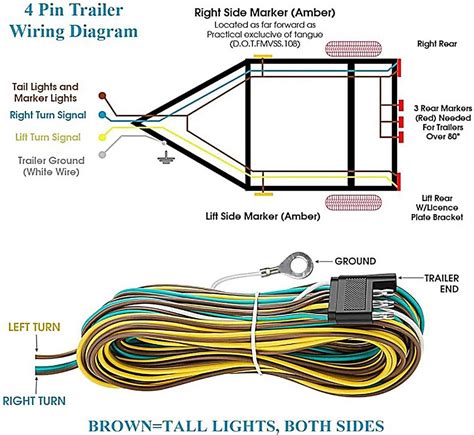
Once at the end of the bed, insert the wire in the casing, this will be ran to the driver’s side. The green and brown wire goes to the passenger or right side of the vehicle and the yellow and brown goes to the driver or left side of the vehicle. Trim off the access wire and casing, remove the wire from the casing and then use the casing for the opposite side. Feed the exposed wire into the casing, this will go against the already installed casing and taped up after holding everything together.
Feed the wire into the drill holes, on the outside skirt I drill a larger hole using the step drill so it can accommodate a rubber grommet. It looks cleaner and holds onto the casing firmly. For this I will be soldering the wires instead, you can use weatherproof connectors too, your choice. As mentioned before, this trailer has LED lights installed.
If you are using existing lights and the wires are dirty, they will need to be cleaned in order to have a sufficient connection and for the solder to stick. I used adhesive filled shrink tube as well for a waterproof seal. Again the wires are taped up with the casing.
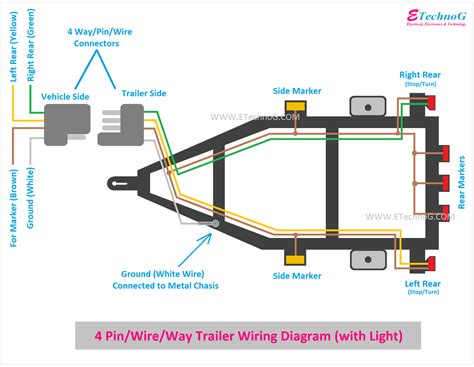
Yellow is for the left turn signal and brake light and green is for the right turn signal and brake light. I’ll included a diagram at the end and add if you want to install clearance lights too. When installing your lights, you may need to run a test and refer to their diagram. Turn signals and brake lights should be the brighter illumination and parking or clearance lights should be the dimmer illumination.
Now for the wire and casing, it has been cut longer, especially the casing since there is a few inches of wire coming from the lights. So the casing will help protect the light pigtails too. The reason for the longer wire is that if anything were need to be adjusted, we have an extra 6 inches easily for any modifications. Perhaps you want to add clearance lights, extended the plug length at the tongues end, change out the lights or whatever else may need more wires.
Wrap electrical tape segments around this split loop casing too just like before.
Step 6: Final Touches on One Side
You can see the wire is fully cased in poly split loop, have a sufficient amount of loops to hold the wiring in place and prevent it from hanging down. On the back side, I have made it a few inches away from the back skirt to reduce the chance from being gather in mud build up or if a hook from a strap is connected to the bed, it won’t clip on the wire accidentally. There is enough access wire at the tilt pivot too. I still have the ground wire installation left.
To install the ground, this will go on the bed directly to the frame member. Using a self drill screw with a pre-drilled hole, ensure there is enough wire if you are working with a tilt trailer. Install an electrical contact loop and the mounting surface may need to be cleaned. You can even apply some liquid tape to the fastened point and around the wire to prevent any moisture penetration.
Step 7: Completing the Opposite Side
Drill the hole for the grommet using the step drill. Install the grommet and pull through the wire.
Strip the wires, solder the connection and add shrink tube.
Each light has it’s own ground shown by the white wire that connects directly to the bed on the light brackets.
Again closing the split loop end with electrical tape.
Step 8: Testing
And finally we’re down to testing, ensuring everything works as it should. Plug it into your vehicle, ensure the brake lights, four way flashers, parking lights, signal lights are working correction. If you are having issues, you may have a bad ground, check the condition of the connector and wire at the vehicle or you may have a bad power wire connection.
Step 9: Wiring Diagrams
Here is a couple different versions to go with. I’ve based it off this wiring setup where it runs up the center and branches out at the end of the bed vs running it on each side. First is the setup I have done. Next is wiring up a license plate light if you chose that option. The license plate light would run off the parking lights, known as the brown wire so you can pull the power supply from either side. And the third diagram using clearance lights. One clearance light on each side and then one larger one at the back. These too would run off the brown or parking light wiring, same as the license plate light.
Trailer Wiring Colors & Their Functions
There are numerous configurations of trailer wiring and each type has differing colors that correspond to different uses. However, generally, there are some commonalities:
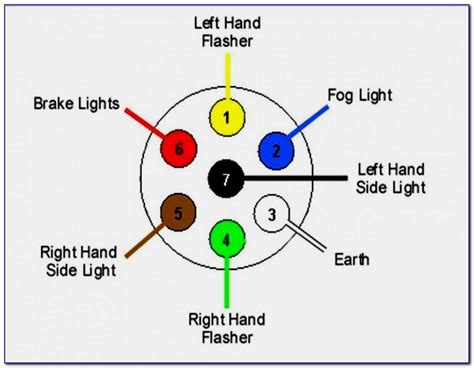
- White: Ground wire.
- Yellow: Left turn signal and left brake light.
- Green: Right turn signal and right brake light. In the traditional 7-way RV blade, it's used for the taillights.
- Blue: Electric trailer brakes.
- Black: Constant 12-volt power to the trailer on the traditional 7-way RV blade connectors and 6-way round connections.
- Orange: Used only on one trailer wiring type.
- Grey: Used only on one trailer wiring type.
Troubleshooting Common Issues
If you are having running light issues, there are several things to check:
- Blown Fuse: The factory wiring has a fuse just for the trailer running lights. Check and replace if necessary.
- Short to Ground: Inspect the wiring harness for any points where it may be rubbing against the frame or other metal parts.
- Bad Ground Connection: Ensure the ground wire is securely connected to the trailer frame.
- Faulty Connector: Check the 7-way to 4-way adapter for any loose or corroded wires.
- LED Lights and a New Harness: Consider replacing the entire harness and lights, especially if the existing ones are old or damaged.
Types of Trailer Wiring Plugs
There are various types of connectors. The connectors may have four to seven pins that allow for the transfer of power for the lighting as well as auxiliary functions.
- 4-Way Connectors: Come in either flat or round configurations.
- 6-Way Connectors: Come in round and square configurations. The square style is commonly used on popup campers, providing a replacement for existing wiring.
- 7-Way RV Blade Connectors: Use similar wiring as the 7-way round style, although there are two wire colors that are used for different functions.
4 Scenarios to Consider for Wiring Your Tow Vehicle
- Your Vehicle Has a Towing Package with Trailer Wiring Already Installed: all you might need is an adapter to connect to the trailer.
- You Have a Towing Package with OEM Sockets: you'll need a custom wiring connector to plug into the OEM (Original Equipment Manufacturer) sockets to provide a standard trailer wiring connector.
- You Have OEM Sockets, But No Towing Package: A custom wiring harness is again ideal for this circumstance.
- No Towing Package, No OEM Sockets, and No Custom Wiring Harness Available: A taillight converter is the best choice for the circumstance.
Best Practices for Maintaining Your Trailer Wiring
- Cap the Connectors When Not in Use: Exposure to the elements can cause corrosion, affecting your trailer wiring's functionality.
- Make Sure the Harness Won’t Drag on the Ground: A dragging harness is prone to wear and tear. Make sure it's securely fastened.
- Regularly Inspect for Wear and Tear: Check for frayed wires, corrosion, or any other visible damage.
Trailer Wiring Reference Guide
Wiring your trailer correctly is crucial for safety and functionality, but keeping track of different wiring configurations can be a challenge. To make things easier, we’ve created a free downloadable trailer wiring reference guide that outlines the functions and color codes for 4-way flat, 6-way round, and 7-way RV blade connectors. Print it out, keep it in your toolbox, or save it to your phone for quick access whenever you need it!
Rewiring a Trailer
Occasionally you may need to rewire your trailer. This is common when the wiring is old, rotted out or not functional.
- Locate and Disconnect Old Wires
- Visually Inspect and Plan the Route
- Run New Wires
- Connect the Components
- Ground Your System
- Test the System
- Secure Loose Wires
- Final Inspection
FAQ: Frequently Asked Questions About Trailer Wiring
Q: Do all trailers require the same type of wiring?
A: No, the type of trailer wiring required depends on what the trailer is equipped with.
Q: What if the wire colors on my vehicle and trailer don't match?
A: If the wire colors don't match, consult the manuals for each to determine the function of each wire.
Q: Can I install trailer wiring myself?
A: Yes, installing trailer wiring can be a DIY project, but it requires some technical skill.
Q: What do I do if my trailer lights are not working?
A: If your trailer lights are not working, check for a loose connection, corroded terminals, or frayed wires.
Q: Can I use an adapter to connect my vehicle's connector to my trailer's connector?
A: Yes, adapters are available that allow different types of connectors to be joined.
Q: Is it essential to ground the trailer wiring?
A: Yes, proper grounding is essential for the trailer wiring to function correctly.
Q: How often should I check my trailer wiring?
A: It's good practice to check your trailer wiring each time you are planning to tow.
Q: Can my trailer wiring affect my vehicle’s electrical system?