Most of us think you should only wear sunglasses in the summer, but this isn’t the case, sunglasses can also be used in the winter to protect your eyes. UV protection is still important even in the winter months, the temperature doesn’t make a difference despite what many of us think. For most of us, the sun’s in the sky all year long.
Our guide below will discuss the latest winter eyeglasses trends and expert tips to help you choose the best sunglasses for your needs. Let's dive into the world of winter sunglasses and ensure your eyes are protected and your style is on point!
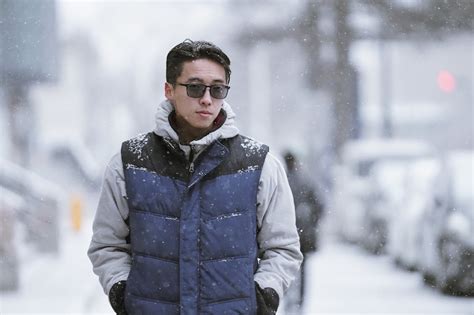
The Importance of Winter Sunglasses
By the time winter has swept in, most of us have stashed our sunglasses away. Instead, we’ve turned to gloves, hats and scarves - and tend to forget about our frames until next summer. But, that being said, we reckon there's more than a place for sunglasses during the cooler months. And that’s high in the mountains, as well as out on the streets.
According to the World Health Organization, fresh snow can nearly double a person’s eyes to UV exposure because it reflects light. Harmful UVA and UVB rays from that light can cause cataracts, macular degeneration, and photokeratitis. Photokeratitis, commonly known as, snow blindness, is a result of eyes being exposed to ultraviolet rays. It has painful symptoms because the surface of the eye is sunburned.
Depending on where you live, the sun may not rise as high during the winter months. In these regions, this means the sun is hovering in your field of vision for most of the day. Winter sunsets happen earlier and may be directly in your line of sight during your commute to or from work. The winter sun can also make it harder to see hazards, pedestrians, and other vehicles. Beyond ocular damage from UV rays, you’re taking a serious risk each time you drive. If you live in an area that gets snow, the reflections they create can be blinding. Much like shimmering water on a summer day, blankets of snow cause severe reflections.
Read also: Best Ski Goggles
Sunglasses provide the added benefit of reducing eyestrain and headaches. When our eyes are exposed to bright light we squint and our pupils constrict. Headaches and fatigued eyes are a consequence of these reflexes. Our eyes need protection year round. This winter before heading out, throw on a pair of sunglasses when pulling on that wooly hat.
Dry eyes are a common problem in the winter. The cold and the wind can exasperate the symptoms of dry eyes. Sunglasses are beneficial in keeping out wind and debris that irritate the eye. Sunglasses are not just for those who are out in the elements. People who drive in the winter need them too. Glare created from wintery precipitation can decrease visibility, thus contributing to hazardous driving. Sunglasses can cut down on glare and help the wearer have better visibility.
Key Features to Look for in Winter Sunglasses
Not all sunglasses offer equal protection. Here’s a quick guide to help you compare features before you buy:
| Factor | What to Look for | Why It Matters |
|---|---|---|
| UV Protection | Always choose 100% UVA/UVB - UV400 | Protects eyes from sun damage; always choose full UV protection |
| Lens Type | Polarized, Gradient, Mirror, Photochromic | Match lens type to lifestyle and activity (e.g., polarized for glare reduction) |
| Frame Size | Oversized/wraparound | More coverage = better protection from sunlight entering the eyes |
| Face Shape | Balance facial features | Choose frames that complement your face shape for style and symmetry |
| Lifestyle | Activity-appropriate lenses | Different lenses and frames suit everyday, driving, beach, fashion, or sports use |
Лучшие солнцезащитные очки для тебя: как выбрать
Choosing the Right Lenses
The best sunglasses for winter need UV protection, the right color tint, and the material to withstand cold conditions. Here's a breakdown of lens options:
Polarized Lenses
Polarized lenses are an excellent choice during the winter months. Polarization adds a filter to your lens that prevents horizontal light waves from reaching your eyes. Polarized sunglasses are also great to use as skiing glasses or snowboarding glasses. Beyond UV protection, they reduce glare and prevent snow blindness during a long day on the slopes. This means reduced eye strain and improved vision. Polarized lenses have often been a go-to for people who spend time in the water and snow in winter.
Read also: Bowdoin College Hockey History
Mirrored Lenses
There’s no mistaking the striking appearance of these lenses. Mirrored sunglasses look incredibly stylish and provide big protection from the intense sunlight in the winter. Mirrored lenses provide a brighter field of vision since their outer mirrored coating actively reflects light.
Lens Color Guide for Winter Weather
As for colors, you have plenty of options, but the best tints for winter are neutral.
- Water Sports & Sunny Days: Blue-tinted sunglasses lenses are best for reducing glare in snowy conditions while on the water or enjoying sunny leisure days outside. Not only do they provide clarity, but they are also fashionable, whether you're out on the golf course or spending the weekend on the snowy slopes.
- Snowy Days: Yellow and other light-colored lenses such as gold, rose, and amber are all ideal for wearing in the snow. If you want more natural color perception then gray or brown lenses might be more appropriate. These colors provide good contrast and depth perception which is essential when driving in snowy conditions.
- Foggy Days: Yellow or orange-tinted lenses are best for foggy days. They help to improve clarity when looking at objects and general visibility.
- Rainy Conditions: Gray polarized sunglasses are best for rainy conditions. They do this by helping reduce glare from wet roads. There are lenses you can choose with waterproof coatings too.
Frame Materials for Winter
The frame material of your sunglasses needs to be durable enough to withstand cold temperatures. Plastic, acetate, and TR90 frames are the best materials for winter sunglasses. They are less likely to wear in cold, snowy conditions. Acetate frames are a popular choice as they offer durability and comfort, meaning they are less likely to break in cold weather and don’t pinch your nose. Metal and TR90 frames are also good choices. You’ll want to pick a frame color that matches best with the lens color that you’ve chosen.
Top Winter Sunglasses Trends
Here are some of the top trends for winter sunglasses to keep you stylish and protected:
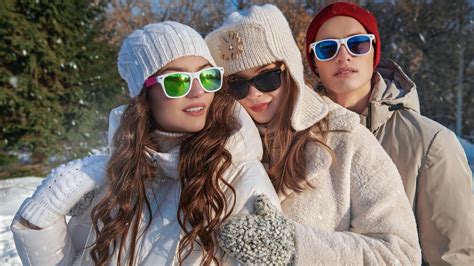
- Oversized Sunglasses: Offering a chic mysterious look, oversized sunglasses are making a bold statement this winter. Best of all, oversized eyeglasses look great on anyone, no matter the shape of your face. These frames are a classic and one of the most in-trend styles, they are perfect if you want to have that sleek style while remaining anonymous as you move throughout your day.
- Rose-Tinted Glasses: Rose-tinted sunglasses are in style all year round, perfect for bright cloudy winter days adding a subtle pop of color to your look to express your style without being as overwhelming as oversized sunglasses. Gradient sunglasses in pink and orange are also great options.
- Sporty Eyewear: For those who love to hit the slopes or enjoy other winter sports, sports sunglasses are a must-have during the winter months. These sunglasses will have a comfortable fit and often come with extra add-ons such as interchangeable lenses and anti-fog coatings to help with visibility. Sports sunglasses aren’t reserved for athletes only, anyone can wear them if they are looking for a comfortable sporty style!
- Retro Inspired: The 70’s aviator and sculptural cat-eye sunglasses are in style this winter. They add a touch of nostalgia to your look while still looking fresh and modern. Aviator sunglasses are perfect for dressing up a casual outfit without too much effort while cat eye sunglasses are also ideal to style with formal outfits for an unexpected twist.
Style & Comfort
The style of your winter sunglasses is an important consideration since it directly influences their comfort. Of course, what matters most is that you’ve got snow-friendly sunglasses you love to wear. GlassesShop offers a wide variety of unique frame styles to ensure a more comfortable fit. Some of what we offer are:
Read also: Element Jacket: Performance and Comfort
- Glasses with adjustable nose pads - More comfort.
- Spring hinge glasses - Offer a perfect combination of durability, flexibility, and comfort.
- Screwless glasses - Eliminates the concern of loose screws.
- Photochromic blue light glasses - Ideal for reducing glare, blue light blocking from devices, and UV/HEV light protection.
We have a range of tools to help with picking your winter sunglasses or eyeglasses such as our face shape detector to see which style suits you best, a virtual try-on tool to get an idea of how your glasses look, and a fit and shape quiz to help you determine which style suits you best.
Additional Factors to Consider
- UV Protection: Always choose 100% UV-blocking sunglasses. According to the American Optometric Association (opto.org), “Wear sunglasses that are 100% UV-blocking against UVA and UVB rays.”
- Light Blocking: Ensure the sunglasses screen out 75 to 90 percent of visible light.
- Size and Coverage: Opt for wraparound or oversized sunglasses for maximum UV protection.
- Lens Quality and Tint: Look for a uniform tint and check for imperfections by viewing a straight line through the lenses.
- Face Shape: Choose sunglasses that balance your facial features and highlight them effectively.
Get ready for winter and every season with a pair of high-quality sunglasses from Yesglasses. Take care of your vision this winter!
tags: #mens #winter #sunglasses