In sport, particularly high intensity sports, back protectors play a key role in reducing the chances of serious spinal injuries. Simply put, the spine is a critical part of your body. It gives your body support, structure, the ability to move freely, flexibility, and protects the spinal cord. Skiing has become increasingly popular, attracting millions worldwide due to its thrill and enjoyment. However, with its rising popularity comes an increased need for effective safety measures to ensure a secure experience on the slopes.
Competitive, expert and elite skiers wear spine protection. But nowadays, even recreational skiers are considering wearing one. Ski back protectors are just as common as helmets. But it’s only now that people are paying more attention to their importance. Why should you? Because they can prevent broken vertebrae if you incurred a fall. A spine protector helps to disperse force and absorbs most of it too. So, even if you are not a competitive skier, it should be a part of your ski gear.
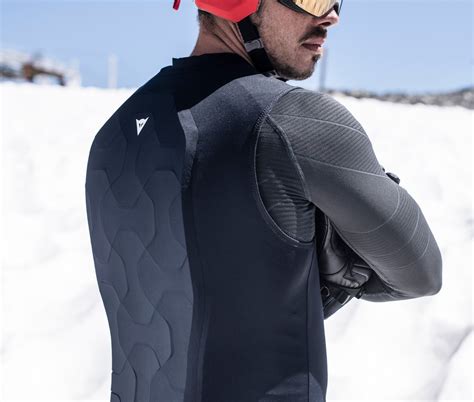
Understanding Ski Back Protectors
Before the development of this new model, manufacturers constructed the sole back protector from hard plastic, resembling a turtle shell in design. In 2006, SHRED. became the first brand to launch soft protection when rigid, hard plastic turtle-shell designs dominated the market. Since then, SHRED. Today’s back protectors are lightweight, flexible, and so comfortable that they feel like a second skin.
And here are several tips on how to choose the best ski back protector.
- Know the Different Spine Protectors On the Market
Whether you’re hitting the best slopes in Europe or Tahoe, you’ve got to be outfitted properly when it comes to getting the best ski back protector. It’s important to know that there are basically two types, a hard shell and a softshell. A hard shell is often made from Polypropylene or Polycarbonate (hard plastic) and has side panels that act as the outer shell. This type of spine protector offers more protection for sharp rocks, twigs, or any abrasive objects that you can accidentally fall on.In between this is a cushion that can absorb force and impact should a collision occur. Though considered more heavy-duty than softshells, some skiers don’t wear these because they can be heavy. That’s why the best alternative is to wear a softshell spine protector. These are lighter than hard shells. But not all softshells can give an equal amount of protection to your spine. The best type has to offer protection from multiple spine impacts. And often, those made with VPD foam can offer sufficient protection. But take note that softshells may give you protection from abrasive objects since they are more likely to puncture than hard shells. So, if you’re going to ski along slopes with a lot of sharp rocks, a hard shell is going to be your best ski back protector. - Make Sure It Adheres to European Standard EN 1621-2
Ensure that you’re getting the best ski back protector and that it is legit. It should be made from reliable materials, make sure it is rated EN 1621-2 level 1 or level 2. This is also the same criteria used to measure the effectiveness of motorcycle back protectors. This also includes the materials’ temperature stability. This ensures that it will not become too stiff in frigid temperatures. The best ski back protectors should meet these criteria easily. - Choose the Right Style
The best ski back protectors come in several styles- buckling type, protective vest, jacket type, and backpack type. The buckling type comes with shoulder straps and a waist belt. This style can only offer protection for your back and not your torso. The protective vest type is very easy to wear under your ski jacket. It is a great option if you do not want to wear armor and don’t want to fuss around with straps and belts. The vest type is also more breathable and lighter. Jacket-type spine protectors are well worn as a jacket. This style can offer protection not just for your back. This can also give decent protection for your shoulders and upper torso. Backpack style offers a combination of storage and back protection. You wear it as a backpack, but it can also be heavy depending on the load that you put in it. This is, however, a great alternative for those who do not want to wear anything over their ski outfit. - Get the Right Size
Getting the right size is very important. If you wear something too short then part of your back will be exposed. The best ski back protectors should cover your entire back, starting for the knobby area on your neck up to your tailbone. The best way to get the exact size is to measure the length of your back from the C7 vertebrae (that knobby area) to the tailbone. You can have someone measure your back to get the right output. - It Must Fit Well
A good fit is relative to the right size. Anything too loose or too tight may not offer the best spine protection. It should stay in place. And when you squat down, it should not push your helmet forward. The placement of the spine protector is very critical. Even when squatting or moving, it must not interfere with your helmet. It should also be comfortable enough to be worn under your ski jacket. And you should still be able to wear your pants comfortably even with the ski back protector on. - Ensure it Has a Breathable Design
Your best ski back protector should be made from breathable materials and it should also have enough vents to let the heat escape. - Consider Storage Options
Among the spine protector styles we have mentioned above, the backpack type offers the most storage. But if you don’t feel like wearing a backpack but need some storage for your goggles and keys, some jacket types and vest type spine protectors also have small compartments. - Make Sure You’re Getting a Good Price
There is such a thing considered as the right price. Even if you’re on a budget, don’t be tempted to buy anything too cheap. A cheap spine protector may not be able to give you ample protection since it can be made from substandard materials. Or they don’t have a breathable design that’s why the price is too good to be true. A good price range for the best ski back protector brands starts at 60 dollars up to 200 dollars. Anything lower can be a rip-off. So you have to induce this number in your budget for your ski gear. But you also have to balance everything. It does not make any sense if you buy very premium spine protectors and settle for a flimsy and very cheap helmet. You have to make sure that you have the complete gear, so all of your ski gears must be durable and legit. A flimsy helmet, even with the most premium ski back protector can still put you at higher risk of debilitating accidents.
SHRED. and Back Protection Innovation
Researchers at the Massachusetts Institute of Technology (MIT) assisted Carlo Salmini, Co-Founder of SHRED. The team collaborated with international specialists in foam technology, leading to significant enhancements in shock absorbing rubber foams. Salmini expresses that innovation continues. He stated, “A few years ago, while surveying our athletes, we discovered that the biggest hurdle to the widespread adoption of back protectors wasn’t their level of protection-it was their comfort.
Read also: Comprehensive Guide to Vail's Back Bowls
SHRED. Is keen on elevating the use of back protectors amongst all ages, events, geography and level. Carlo Salmini, Co-Founder & CEO at SHRED. Salmini further explained, “Whether you’re skiing slalom, freeskiing in the Midwest, or just cruising with friends, the risks are real. Modern skis can amplify the impact of catching an edge, creating a spring effect that can launch you unexpectedly. Snow coverage is often thin, with rocks and trees closer than they appear.
What You NEED to Go Skiing - A Beginners Gear Guide
The Importance of Comfort and Fit
Ligety, a father of three, articulates the importance of equipping his children with back protectors: “With a 7-year-old and twin 4-year-olds who love to ski, safety on the slopes is always top of mind for me. Here’s why: kids think back protectors are cool. My boys feel like superheroes wearing them, testing their gear by bumping into each other and having a blast. As a parent, I can’t ignore how crowded the slopes get or the risks of someone losing control and sweeping them out. Back protectors are more than just safety gear-they’re something kids actually love wearing.
Certification and Standards
SHRED. Back protectors are certified under EN 1621-2, the only official standard that certifies back protection for sports and motor sports. Level 1 is the minimum standard, offering excellent impact protection while prioritizing comfort and flexibility. In ski racing, The International Ski and Snowboard Federation (FIS) has not made back protectors mandatory. The FIS created the Athlete Health Unit in 2023, and FIS Secretary General Michel Vion highlights that airbags represent only one component of a broader safety strategy aimed at minimizing injuries.
Additional Upper Body Protection
According to various studies, ski-related injuries are common, often impacting the upper body. Upper body ski protection plays a crucial role in keeping skiers safe. This protection typically includes items like chest protectors and back protectors, designed to absorb impacts and protect vital areas from injury. Upper body ski protection is crucial for preventing injuries while enjoying winter sports. Chest protectors, for instance, are designed to shield the ribs and chest by absorbing impacts during falls or collisions. These protectors typically feature robust materials such as foam or plastic composites that absorb shocks and distribute forces evenly.
Read also: Protect Your Back Snowboarding
Back protectors, on the other hand, focus on safeguarding the spine, which is vulnerable during falls and crashes. They come in various styles such as vests or separate panels, each designed to offer flexibility without compromising protection. For those seeking comprehensive protection, full body armor is an ideal solution that combines both chest and back protectors in one seamless unit. This integrated gear offers all-around safety, minimizing the risk of injury to the upper body. Upper body protectors are crucial in significantly reducing the risk of skiing-related injuries. Expert analyses and statistics reveal that these protectors can decrease the chances of fractures, bruises, and other severe injuries. For instance, according to a study, approximately 12% of skiing injuries involve the spine, where protective gear plays a key role in prevention. Additionally, wearing upper body protectors can give skiers a psychological edge by boosting their confidence on the slopes.
When skiers feel secure knowing they are well-protected against falls or collisions, they can push their limits and focus more on technique and improvement. Moreover, the design of modern upper body protectors enhances comfort and mobility, contributing to better overall skiing performance. These protectors are crafted to be lightweight and ergonomically designed, thus minimizing restrictions in movement. As a result, skiers are able to maintain agility and comfort, which are essential for maintaining rhythm and skill level. Ensuring maximum protection on the slopes means selecting the best upper body protectors.
Here are some examples of upper body protectors:
- The SBP913-UPPER BODY Protection Shirt Snowboard offers robust protection for snowboard enthusiasts. It features a plastic shell combined with EVA foam and elastic straps, ensuring both protection and comfort.
- Next is the SBP926 Body Protector, which combines PU foam with comfortable mesh, ensuring both protection and enhanced mobility.
- Finally, the SBP917 Soft Comfortable and Anti-impact Full Body Protector is designed for those seeking ultimate comfort and anti-impact features.
Choosing the Right Protector
Selecting the right upper body protector is crucial for any skier or snowboarder, as your riding style significantly impacts your choice. Whether you're a hobbyist, intermediate, or professional, the level of protection you require varies. Fit and comfort are paramount when choosing an upper body protector. It's advisable to try different sizes and styles to find the perfect fit that doesn't restrict your movement. Moreover, consider the material of the protector, as it affects both protection and breathability. Protectors made from advanced foams offer excellent impact absorption while maintaining lightweight characteristics. Padded nylon, on the other hand, may provide a different level of protection and durability.
Maintenance and Care
Proper maintenance of ski protection gear is essential to preserve its effectiveness and longevity. To maintain the integrity of your gear, consider cleaning methods such as hand-washing or using machine-wash protocols if specified by the manufacturer. Storing your ski protection gear correctly can significantly extend its lifespan. Keep it in a cool, dry place away from direct sunlight and excessive heat. Lastly, knowing when to replace your gear is crucial for safety. Look for signs of wear-and-tear, such as fraying straps, cracks in hard shells, or loss of elasticity in soft materials.
tags: #ski #back #protection