Hakuba Valley, nestled in the Japanese Alps near Nagano, is a renowned destination for skiers and snowboarders from around the globe. With ten different resorts, 135 lifts, and more than 200 runs, the region offers an expansive terrain to explore. Blessed with an average of 12 meters of snow per winter, Hakuba is a must-visit for those seeking the ultimate Japanese powder experience.
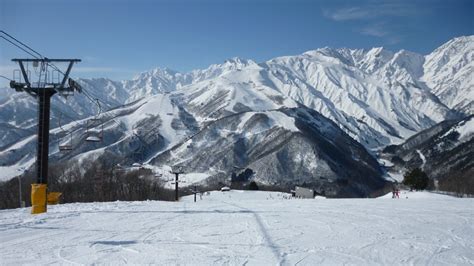
Overview of Hakuba Valley
The Hakuba Valley area incorporates 10 ski resorts that combined, offer expansive terrain. These resorts are not interconnected via the slopes (except for Hakuba 47 and Goryu, and Cortina and Norikura), yet the ski areas can be accessed off a common lift ticket and there are shuttle buses to get around. The Hakuba ski resorts from north to south are: Cortina, Norikura, Tsugaike, Iwatake, Happo-One, Hakuba 47, Goryu, Sanosaka, Kashimayari, and Jigatake.
The Hakuba skiing is varied across the resorts but it’s generally very well suited to beginners and intermediates, with many long perfectly groomed runs and fantastic fall-line. Advanced skiers and snowboarders will also love the steep groomers at a few of the resorts, and if you’re into bumps you’ll be in heaven. You can join many of the Japanese who just adore moguls!
Advanced and expert riders will want to head off-piste. Most Hakuba ski resorts are somewhat relaxed about off-piste skiing, whilst Goryu has retained a mostly old-school approach to tree skiing.
Hakuba is blessed with plenty of snow, with an average of 11-13 metres (433 to 512 inches) of powder per season.
Hakuba Ski Resort | Things I Wish I Knew Before Going | Accomodation and Ski Resort Tips
Read also: Comprehensive MTN Analysis
Key Considerations for Planning Your Trip
Heading to Hakuba for the first time? From late November through March, Hakuba’s 10 local resorts are blanketed with light and dry yuki, Japanese for snow. It’s the type of snow that whisps away in the wind when you try to crush it together for a snowball.
Winter seasons are always a toss up as to when the getting will be good, but the safe bet is to book a January or February trip if you want guaranteed powder. Don’t worry too much if the snowfall is minimal in December: there is a saying that declares “once the Japanese powder window opens it stays open”. The slopes can be busy during the January school holidays but quieten down in late February and March.
Getting There
Qantas and Jetstar fly to Tokyo daily and flights can be as cheap as $400 one-way on sale prices. If you book with Jetstar, beware the luggage limits and read the fine print in your ticket carefully - in most cases you will need to purchase extra oversized baggage to bring a ski bag.
Once in Tokyo, getting to Hakuba is a quick trip via bullet train or bus. The bullet train zips you to Nagano in under three hours and from there you can take a local bus or shuttle to the slopes. The train journey has both good and bad point going for it: riding the 300km/h bullet train is exciting for first-timers, but the journey requires three connections and can be tricky with baggage.
If you are travelling with a family, the easiest option may be to book a transfer from the airport direct to your accommodation with the Nagano Snow Shuttle. Hakuba.com offers some really cheap package deals that include accommodation at well-located hotels, lift tickets and more.
Read also: Skiing on Christmas Day
Accommodation and Transportation
There are three main neighborhoods in Hakuba; these are Echoland, Happo and Wadano. Most hotels are close to the ski slopes of Happo-One in Happo and Wadano and are serviced by regular inter-resort shuttle buses. It’s probably most convenient to stay in a hotel near a shuttle bus stop because the shuttles (free with the purchase of a Hakuba Valley Lift Pass) are essentially your ticket to ride other resorts.
The Happo, the Tokyu Hotel, and Phoenix Hotel & Chalets all have shuttle stops pretty much outside their front doors. The luxe Phoenix Hotel is operated by a lovely Australian couple, Sally and Peter, who are all too happy to chauffeur their guests out to dinner or to the slopes each day. The Happo is extremely convenient because shuttle buses stop at its doorstep, and it is just a 2-minute walk in ski boots to the central Hakuba bus station. This is where you can catch buses to Cortina and further afield. The Happo is among the newest and most modern hotels in Hakuba and features an in-house onsen for guests.
Hakuba covers the full spectrum of lodging from backpacker hostels to deluxe accommodation. There are lots of Hakuba hotels, some Japanese style inns where you can sleep on the floor, and self-contained apartments and houses. Hakuba accommodation is situated in various villages which all have quite different personalities.
Some people are keen to find slopeside Hakuba accommodation, but keep in mind that it would only be ski-in ski-out to one of the Hakuba ski areas. One of the major pros of Hakuba is the range of terrain across the valley, so it seems a shame to only ski/ride at the resort near your accommodation.
Dining and Après-Ski
From wagyu feasts to Melbourne-quality lattes and sushi that’s good enough for Taylor Swift: you’re spoiled for choice when eating out in Hakuba. If I’m forced to name a few highlights, I’d mention Mimi’s Restaurant and Bar, Asuka, Monimoki Hotel and Kikyo-ya. Keep in mind that restaurants (especially these popular ones) can be very crowded during ski season, so be sure to book at least a day in advance by asking your hotel or lodge host to call them.
Read also: Employee Benefits at Vail Resorts
Or, pop in after skiing and reserve a table in person for later on. Finally, don’t miss trying a beer, unusual snack or a coffee in a can from one of the bizarre vending machines that dot the streets and slopes in Hakuba. This is a must-do Japanese experience - much like heated toilet seats and bidets. Any drink with a red price label will come out hot, while the blue label signifies a cold drink (be careful when preparing to quench your thirst with an iced tea).
Hakuba has an impressive variety of restaurants, bars, and cafes. Most are found around Happo One or in nearby Echoland. Popular options include Kiko-ya (sushi and sashimi), Nikusho Nakazawa (mouth-watering wagyu); Marutama Ramen, Yamagami, and Zen are also recommended. The Rabbit Hole do great burgers and transforms into a pumping night spot with live music. The Pub is a popular drinking spot as is Cheery Pub in Echoland. Blizzard do exceptional pizza and host DJ sets, while Calico exudes hipster cool while mixing amazing cocktails and serving Western food.
Alcohol is cheap - especially from supermarkets or vending machines.
Resort Highlights and Recommendations
Hakuba Valley includes 10 different ski resorts surrounding the most central town area - which is closest to a resort called Happo-One (pronounced oh-nay, not “one”). You can buy multi-day Hakuba Valley tickets, which give you access to any of these resorts and are useful if you want to ski two resorts in one day (some resorts like Cortina and Norikura are connected via lift access, and it’s great to be able to ski both). You will also save time not lining up for tickets each morning.
The main resort of Happo-One is potentially the most crowded because it is closest to town. It also reaches above the tree-line and can be windy or icy due to the exposure. The tree skiing in Hakuba can be phenomenal.
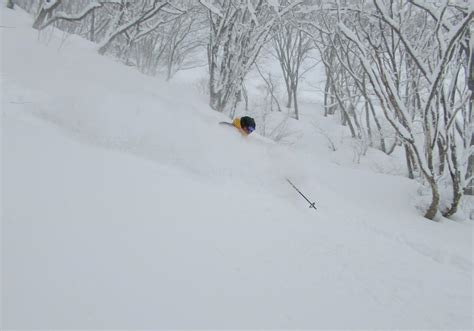
Tree skiing is best (and one of the few areas where it is allowed by ski patrol) at Cortina, which is a little steeper than the other resorts and can be fantastic on a powder day. Unfortunately, the Cortina secret is well and truly out as it can also be the most crowded place on a powder day.
Hakuba Goryu and 47 have extensive terrain for intermediates and advanced skiers, and 47 is popular among snowboarders for its terrain park. Tsugaike is fantastic on a powder day (head to the trees) and Iwatake is the best place to cruise groomers when it’s sunny.
Top 5 Ski Runs in Hakuba Valley
- Cortina to Norikura Backcountry Run: Accessed from the top of number 4 chairlift at Cortina, this run offers perfectly spaced trees and a steep incline.
- Sanosaka Lake Down Trail: A wide blue run with great views of Lake Aoki, perfect for a non-powder day.
- Cortina Chair 5 Tree Run: Go left from the top of the chairlift for untracked lines well into the afternoon.
- Hakuba 47 Terrain Park: Features Hakuba’s only half pipe and a variety of lines for skiers and snowboarders.
- Tsugaike DBD Gate 3: Known as ‘powder heaven,’ this run requires a course to enter the tree areas.
Resort Specifics
A note about skiing powder in Japan: most resorts have strict rules about going off-piste and in some you must attend an avalanche briefing to receive a tag or vest that enables you to go into designated “powder zones” (Tsugaike and Goryu specifically require this). The ski patrollers are extremely strict on those gaijin(foreigners) who ski under ropes. They will take your pass.
Iwatake Ski Area
Iwatake ski resort is a popular Hakuba Valley resort that is fantastic for intermediate and beginner riders. On my visit to Hakuba Iwatake, I was impressed by the wide cruisey blue runs and the mellow gated tree riding. On a clear day, the views from Iwatake are meant to be pretty impressive… unfortunately I didn’t get a clear day at Iwatake.
One issue that Iwatake faces is its lower elevation and base area can mean that when it is snowing at other Hakuba resorts it can be raining at Iwatake. That being said Iwatake still gets its fair share of the snow and there are some great powder stashes to be found.
As previously mentioned Iwatake is lower than the other resorts in the Hakuba valley with a summit of 1,289m. This coupled with a rather pitiful 539m vertical drop (less than Thredbo in Australia) means that Iwatake is a fairly small ski resort. This isn’t necessarily a bad thing as Iwatake has some decent infrastructure with fast chairs that means although laps may be short, you can get multiple runs in rather quickly.
In total, there are 26 courses at Iwatake with the majority of this terrain being beginner or intermediate terrain. There is only 20% of the piste map assigned as advanced terrain but there is nothing to really get the heart pumping.
Overall Impression
Hakuba ticks a lot of boxes. It’s beautiful and bountiful, gets loads of snow, and boasts Japan’s largest skiable terrain. Hakuba is reputedly the most Aussified Japanese ski resort after Niseko. With 103 lifts to ride up and 143 marked trails to bullet down, Hakuba Valley has something for every skiing preference and ability level.
Happo One, the main resort, offers Olympic-style slaloms, powder gullies, steep moguls, and long looping beginner trails. Cortina is popular with the powder hounds (too popular for its old double chair lifts). Tsugaike and Iwatake both have modern gondolas and stunning scenery. Hakuba 47 has the best terrain park for the adrenalin junkies while Goryu offers night skiing. The other resorts are less popular for a reason (limited terrain, few lifts). An all-resort day pass is good value at around $100AUD. Lift passes are cheaper if you only ski at one resort.
Like many famous ski resorts, Hakuba struggles with its growing popularity and aging infrastructure. January and February generally receive the biggest snowfalls but also the biggest crowds. Morning shuttle buses can fill up or be delayed.
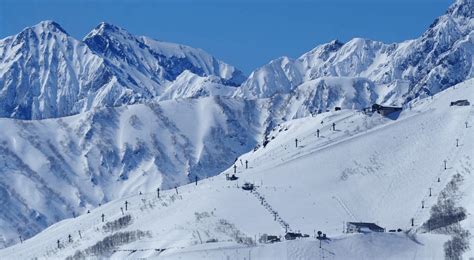
Summary Table of Hakuba Ski Resorts
| Resort | Terrain | Highlights |
|---|---|---|
| Happo-One | Varied, Olympic-style slaloms | Main resort, Olympic history |
| Cortina | Steep, Powder | Tree skiing, Powder runs |
| Tsugaike | Powder | DBD area, Powder heaven |
| Iwatake | Beginner, Intermediate | Groomers, Scenery |
| Hakuba 47 | Intermediate, Advanced | Terrain park |
| Goryu | Intermediate, Advanced | Night skiing |
| Norikura | Varied | Connected to Cortina |
| Sanosaka | Beginner, Intermediate | Lake views |
| Kashimayari | Varied | Less crowded |
| Jigatake | Varied | Less crowded |