Skiing is a thrilling sport that can be enjoyed by people of all ages and skill levels. While many skiers rely on poles for balance and propulsion, there's a growing movement towards skiing without poles to enhance technique and improve overall performance. This article explores the benefits of skiing without poles, techniques to master, and considerations for different skill levels.
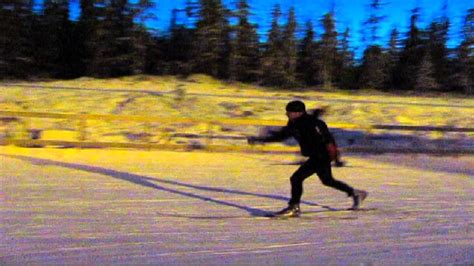
Why Ski Without Poles?
Instructors often teach lessons without poles, because the focus needs to be on foot and leg work. Having poles in those lessons often gums up the works. Here are several reasons why you might want to consider ditching the poles:
- Improved Balance: Skiing without poles forces you to rely on your core and leg muscles for balance, leading to better stability and control.
- Enhanced Technique: Without poles, you're more likely to focus on proper body position and weight distribution, which can improve your overall skiing technique.
- Increased Awareness: Skiing without poles heightens your awareness of your body's movements and how they affect your skiing.
- Greater Freedom: Some skiers find that skiing without poles feels more liberating and allows for a more fluid and natural experience.
Techniques for Skiing Without Poles
Mastering the art of skiing without poles requires a focus on specific techniques:
- Maintain a Balanced Stance: Keep your weight centered over your skis, with your knees slightly bent and your core engaged.
- Use Your Arms for Balance: Extend your arms out to the sides to help maintain balance and stability.
- Focus on Leg Work: Use your legs to steer and control your skis, rather than relying on your poles.
- Practice Drills: Incorporate drills like the "phantom pole plant" (imagining planting a pole) to improve timing and coordination.
Another good drill is to hold the poles out in front of you horizontally. This keeps you facing downhill, especially on really steep terrain. When you get nervous, you can carry them in front of you (across and parallel to the ground) to make sure you don't throw your body back.
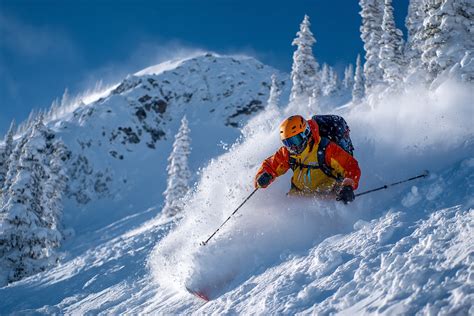
Skiing Without Poles for Different Skill Levels
The approach to skiing without poles may vary depending on your skill level:
Read also: Skiing at Brighton at Night
Beginners
For beginners, it's often recommended to start learning without poles. For beginners it's a form thing, using poles encourages backward lean which will throw off your balance. Poles are just another thing for a beginner to be worried about. Have them focus on their feet and proper body position first. This helps develop a solid foundation of balance and control. Focus on maintaining a balanced stance and using your legs to steer.
Intermediate Skiers
Intermediate skiers can benefit from occasionally skiing without poles to refine their technique. Experiment with different drills and focus on improving your balance and control. It's a great exercise for the "expert".
Three No Pole Ski Exercises - MUST TRY!
Advanced Skiers
Advanced skiers may choose to ski without poles in certain situations, such as in the terrain park or when focusing on specific skills. They can be used as a timing mechanism and a way to get your weight forward in short radius speed control turns. Poles are essential for making offensive turns on challenging terrain.
The Role of Poles in Specific Scenarios
While skiing without poles can be beneficial, there are certain situations where poles are essential:
- Challenging Terrain: On steep slopes, moguls, or icy conditions, poles can provide additional balance and support.
- Slalom Racing: Poles are a crucial tool for timing turns and blocking gates in slalom racing.
- Traversing Flats: Poles can be used for propulsion when traversing flat areas.
Poles for Children
When it comes to children learning to ski, the use of poles is a topic of debate. With little kids they don't really need them and they become more of a weapon. Kids really don't need them, just a distraction from controlling their lower body. Also they are used as weapons, dropped off of chairlifts, get caught in chairlifts, get dropped mid run, and kids love to use them to push themselves instead of walking with their feet and learning basic skills. Make sure the poles are short enough. A slight bend to tall at a 90 degree bend in the elbow, going about 2 inches shorter than 90 degree bend in the elbow makes the pole a length that will not cause kids to ski too upright.
Read also: Maine ski conditions
| Age Group | Poles Recommended? | Considerations |
|---|---|---|
| Young Children (Under 8) | No | Poles can be a distraction and a safety hazard. Focus on basic skills and balance. |
| Older Children (8+) and Teenagers | Yes, potentially | Poles can help with stance and forward pressure, but proper instruction is crucial. |
Read also: Night Skiing Guide: East Coast