Winter can transform landscapes into beautiful scenes but also brings the inevitable challenge of snow accumulation. Whether you're a homeowner or manage a commercial property, snow plowing is crucial to maintaining safety and accessibility. This guide will answer common questions about snow plowing and provide tips for effectively managing snow removal this winter.
Understanding Snow Plowing
First, let’s cover the obvious: what snow plowing is. Snow plowing involves using a plow blade attached to a vehicle to clear snow from roads, driveways, parking lots, and other surfaces. The goal is to create a safe and accessible area by pushing snow to the side, away from pathways and traffic routes. Professional snow plowing services often use trucks with durable plow blades, while smaller properties may use compact vehicles or specialized snow plowing equipment.
Why is Snow Plowing Important?
Snow plowing is essential for several reasons:
- Safety: Accumulated snow and ice can create hazardous conditions for both pedestrians and drivers. Regular plowing helps reduce the risk of accidents.
- Accessibility: Ensuring clear pathways is crucial for businesses, emergency vehicles, and residents to access properties without obstruction.
- Legal Obligations: Many municipalities require property owners to clear snow from sidewalks and driveways to prevent accidents and liability issues.
When Should You Start Plowing Snow?
The timing for snow plowing depends on several factors, including snowfall rates and local regulations. As a general rule of thumb:
- Commercial Properties: It's advisable to start plowing when snow reaches a depth of 2-3 inches to keep parking lots and walkways accessible for customers and employees.
- Residential Properties: Homeowners should consider plowing at around 3-4 inches of snow, especially if they have a long driveway or expect visitors.
Monitoring the weather forecast allows you to anticipate snowfall and plan plowing schedules accordingly. Early plowing also prevents snow from compacting, which makes removal more difficult.
Read also: Maximize Savings on Mount Snow Skiing
Basic Snow Plowing Techniques
Essential Equipment for Snow Plowing
The right equipment is critical for effective snow plowing. Here are the most common tools used:
- Plow Trucks: Heavy-duty trucks with plow attachments are ideal for clearing large areas like parking lots and long driveways.
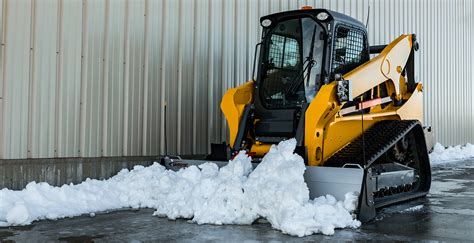
- ATVs/UTVs with Plows: Smaller vehicles, such as ATV’s can be fitted with plows for residential driveways and sidewalks.
- Snow Blowers: For properties where plow trucks are impractical, snow blowers can efficiently clear snow.
- Salt Spreaders: After plowing, applying salt or ice melt helps prevent refreezing and ensures surfaces remain safe.
Types of Plow Blades
Purchasing a new plow is an investment in your business. Here are a few options to consider:
- Straight Blade: A straight blade is the most popular, entry-level blade that is ideal for driveways and small properties. They generally cost less than a winged or v-plow because of the straight-forward design.
- V-Plow: V-Plows are like a Swiss army knife. They are versatile and able to take care of a wide variety of jobs. This multi-use functionality makes v-plows a valuable time saver for commercial properties but they do come at a higher price point. The v-position is intended for the first pass to break through hard pack and snow drifts.
- Winged Plow: Winged plows are high productivity, high skill blades. They are almost as versatile as V-Plows, but do not break drifts any better than a straight blade. When plowing large open spaces with a winged plow, angle the blade for a windrow technique with the leading wing forward. This directs more snow into the moldboard of the blade and allows for a full pass with minimal spill-off. Accessorizing with plow wings on a straight or v-plow extends the length of the blade, maximizing your blade width and carrying capabilities.
Snow Plowing Techniques
Plowing snow isn’t as easy as it looks, though. Familiarize yourself with the in-cab controls. Here are some techniques to consider:
- Angle Position: In this position, the blade is angled to either left or right side of the vehicle. With the blade angled to the left or right side of the vehicle, make consecutive passes--each time throwing the snow forward and to the side.
- Straight Position: In this position, the blade is positioned directly in front of the vehicle. Set the plow to a straight position to push snow directly ahead of you, making a pile at the end.
- Back-Dragging: Back-dragging helps to remove snow from tight edges near garage doors or buildings when you don’t want to get too close and accidently damage siding. To remove snow from the edge of a building, raise the blade and drive forward to the building. Lower the blade, then back up while pulling the snow away from the building. You should backdrag only two or three truck lengths before turning around. You can then back into the cleared area and push snow forward.
- Deep Snow: In deep snow, raise the plow several inches off the ground to shear off the top layer. If you have a Power-V Plow, use the V-position for the first pass. Then change to the Scoop or Angle-position to widen things out. You should push just enough snow with each pass to get the job done efficiently without overloading your equipment.
- V Position: In this position the blades are retracted toward the truck. It's ideal for plowing a lane through deep snow or punching through snowdrifts and hard-packed or windrows left by city and county plows.
- Scoop Position: This position is used for carrying or controlling the snow- with the blades pushed out to form an inverted V shape. It's most useful for cleaning parking lots or other large areas where snow must be pushed straight ahead- and not to the side. It's also useful for cleanup work at the end of the job.
It’s common knowledge that plowing in a straight line and pushing snow from the middle to the outside is ideal. This helps to efficiently place the snow where you intend to stack it (off to the side). Plow with the storm.
Safety and Preparation
Before operating or servicing your BOSS Snowplow, you should become thoroughly familiar with the owner's manual. You should carry the following safety equipment for emergencies: a fire extinguisher, tool kit, tow strap, flashlight, flares, first aid kit, fuses for your vehicle, jumper cables, an ice scraper, lock deicer, extra washer fluid, a shovel and a bag of sand or salt. NOTE: In case of an emergency, it is always a good idea to carry a cellular phone or two-way radio with you when plowing.
Read also: MLine Pro Deck: Three-Season Performance
Vehicle and Equipment Checks
You should check your vehicle's tire pressure, engine belts for cracks and tightness, hoses for leaks and vehicle fluid levels including the engine oil, brake fluid, transmission fluid, battery, radiator coolant and windshield washer fluid. Examine the battery terminals for corrosion and make sure the connections are tight. Make sure the vehicle windshield wipers and defrosters are in good shape and working properly. Check the vehicle headlights, brake lights and turn signals to be sure they are in good working order, and make sure your strobe light is working if you have one.
Check your snowplow to make sure all bolts are tight. Look for cracked welds and hydraulic fluid leaks. Check your snowplow cutting edge. An over worn cutting edge can result in costly repairs to the blade later.
Pre-Plowing Preparations
Before it snows, walk around the area you will be plowing to check for obstacles that will become hidden when snow is on the ground. Look for things such as bumper stops and speed bumps, curbs, sidewalk edges, shrubs, water drains, fire hydrants, fences and pipes sticking up from the ground. When moving in reverse, don’t rely on the vehicle mirrors. When plowing in dirt or gravel, lower the plow shoes. This will raise the blade so you don’t scrape the surface away. When you’re finished plowing, lower the blade to the ground and turn the plow control off for safety.
Additional Tips for Effective Snow Plowing
- Don’t wait and let the snow accumulate. Commercial businesses want easy and safe access for their customers and employees.
- As you come to the end of a pass, lift off the accelerator while starting to use the brake and raise the blade to help stack the snow. This method is easier on your electrical system.
- Residential properties and commercial store fronts have a lot of foot traffic, making them prone to slip and fall incidents. Don’t neglect safety and remember to de-ice the property after plowing.
- When transporting a snowplow, angle the blade to the right (toward the curb). Never operate a plow while transporting it to and from a job site. Do not exceed 40 mph when transporting a plow. When transporting a plow or while plowing, check the temperature gauge often. Overheating the engine can be costly. If the vehicle overheats, stop and correct the problem.
- One of the most common vehicle problems encountered while plowing is damage to the transmission. Most vehicle manufacturers do not recommend plowing in overdrive. Accelerate slowly, allowing the wheels to grip the road surface for better traction. To start a pass, start the vehicle in motion. If you are plowing often during the season, change your transmission fluid before and during the season. A good rule of thumb is to pull your transmission dipstick periodically and smell the fluid. To monitor the heat in your transmission, you can install an inline transmission gauge.
Dealing with Deep Snow
Big winter storms bring deep snow which makes your job as a snow contractor more difficult. Productivity can diminish if the snow isn’t cleared multiple times during the storm. In the days leading up to the next winter storm, make sure all snow and ice control equipment is ready to go. Thoroughly inspect your plow and/or spreader and perform all recommended maintenance to ensure the equipment is prepared for the storm ahead. During large nor’easters or lake effect snow, determine where the heaviest snow bands will setup and plan around those areas. Determine the needs of your clients. Businesses that are open and receive heavy traffic even during winter storms will need attention first. When looking for an emergency location to pile snow in the event that stacking in prearranged spots becomes impossible, find somewhere that can easily drain when the snow and ice melts. Ideally, these spots should be identified with clients before the season starts. Pre-treat areas using salt, brine, or other chemical applications appropriate for your geographic location. Before you head out on the road, make sure you’re also physically prepared. Pack your emergency kits, top off your gas tank, and get a good night’s sleep. Plow often so the snow doesn’t sit too long. Lessen the amount of back and forth driving while plowing. Clear off sidewalks and areas near buildings first. If you have the personnel to manage it, create a sleep plan to cycle workers in the field during long events.
Read also: Summit County Ski Report