When the winter winds howl and snow blankets the landscape, high-quality snow pants become essential gear for outdoor fun. More than just an accessory, snow pants play a crucial role in keeping you warm, dry and protected against the elements. Whether you're a seasoned pro seeking versatile lightweight pants for skiing or snowboarding or just want reliable snow protection for neighborhood sledding, this guide will equip you with the knowledge needed to find the perfect pair.
In this comprehensive guide, we will delve deep into the world of snow pants, equipping you with the knowledge you need to make informed choices for your winter adventures. From understanding their crucial role in ensuring comfort and protection during winter activities to exploring the diverse range of snow pants available, we have you covered every step of the way.
Understanding the Importance of Snow Pants
Snow pants, also referred to as resort pants or ski pants, often get overlooked by outdoor enthusiasts, yet their role in your comfort and functionality can't be overstated. When you're out in wintry conditions, whether you're hitting the ski slopes, shoveling your driveway, embarking on a winter hike, or simply enjoying a snowball fight with friends and family, snow pants play a vital role in ensuring you remain warm, dry and able to move freely. They aren't just the warmest ski pants; they are a crucial part of a broader clothing collection designed to shield you from the harsh elements of cold weather.
One of the most significant advantages of snow pants is their insulation. These pants are designed to keep your lower body warm in cold temperatures, making them essential for winter activities where you'll be exposed to freezing weather. Without proper insulation, your legs can quickly become cold and uncomfortable, leading to a less enjoyable experience outdoors. Whether you're gliding down the slopes or trekking through a snowy forest, the warmth provided by snow pants is indispensable.
Furthermore, snow pants are designed to be waterproof and windproof. The outer layer, often treated with a durable water-repellent (DWR) coating, ensures that snow and moisture bead off the surface, keeping you dry even in wet snow or light rain. This waterproofing capability is essential for maintaining your comfort and preventing moisture from seeping through and chilling your body.
Read also: Best Ski Rental Deals in Park City
Snow pants are also equipped with features like adjustable waistbands and cuffs to create a secure seal, preventing cold air and snow from infiltrating your clothing. These adjustments allow you to customize the fit to your body, ensuring maximum warmth and comfort. Another crucial aspect of snow pants is their durability. Winter activities can be physically demanding and snow pants are built to withstand the rigors of the outdoors. Whether you're kneeling in the snow, sliding down slopes, or engaging in other winter sports, they are constructed to endure the wear and tear associated with these activities.
This is why snow pants are far more than just an accessory for winter outings. They are a critical component of your winter attire, providing insulation, protection from the elements and durability. Whether you're an avid skier, a snowboard enthusiast, or simply someone who enjoys the beauty of a snowy landscape, understanding the importance of quality snow pants is essential.
They play a significant role in ensuring your comfort, warmth and mobility during your winter adventures, making them a valuable investment for anyone venturing into the cold.
Role of Snow Pants in Winter Activities
Imagine you're planning a day of fat biking on a crisp winter morning, or perhaps you're gearing up for an exhilarating downhill skiing adventure in the snow-covered mountains. In both scenarios, the importance of high-quality snow pants cannot be overstated. Snow pants are to winter what versatile lightweight pants are to summer. They serve as your protective barrier against the unforgiving elements of cold weather, offering a range of benefits that contribute to your comfort and safety during winter activities.
One of the standout features of snow pants is their remarkable ability to keep your lower body dry, even in the wettest of conditions. This is achieved through properties like a water-repellent coating that is often applied to the outer layer of these pants. When you're out in the snow or facing light rain, you can count on your snow pants to shield you from moisture, ensuring that you stay dry and comfortable throughout your outdoor adventures. Whether you're cross country skiing an a pristinely groomed trail or downhill skiing through freshly fallen snow, this waterproofing capability is a game-changer.
Read also: Winter Sports: Luge vs. Skeleton
However, it's not just their water-repellent properties that make snow pants invaluable; it's also their exceptional insulation capacity. Snow pants are engineered to provide insulation and retain heat, making them some of the warmest ski pants available on the market. When you're exposed to freezing temperatures and biting winds, the warmth provided by snow pants becomes indispensable. It's this insulation that keeps your legs cozy and comfortable, allowing you to fully enjoy your winter activities without the discomfort of cold limbs.
Snow pants are designed with features that enhance your overall experience. They often come equipped with adjustable waistbands and cuffs, allowing you to create a secure seal that prevents cold air and snow from infiltrating your clothing. These adjustments are not only practical but also contribute to your warmth and comfort. Durability is another hallmark of snow pants. Winter activities can be physically demanding, whether you're kneeling in the snow to fasten your snowboard bindings or sliding down slopes on a sled. Snow pants are constructed to endure the wear and tear associated with these activities, ensuring they can withstand the rigors of the outdoors and serve you well for many winters to come.
Snow pants play an indispensable role in winter activities, offering a combination of water-repellent properties, exceptional insulation and durability. Whether you're an avid skier, a snowboarding enthusiast, or simply someone who appreciates the beauty of snowy landscapes, the significance of quality snow pants cannot be emphasized enough. They are your trusted companions in the cold, providing the comfort, warmth and protection you need to fully embrace and enjoy your winter adventures. So, whether you're planning a day on a fat bike or preparing for a snowy mountain excursion, make sure to invest in good quality snow pants to keep you well-protected and comfortable in the winter wonderland. For a more in-depth understanding, consider reading full review articles and user experiences online to guide your snow pants selection.
Features that Make Snow Pants Essential
One of the most critical aspects of high-quality snow pants is their choice of material, particularly the face fabric. The face fabric of any garment is pivotal in delivering the desired waterproof and breathable performance. When it comes to snow pants, the face fabric is typically finished with a durable water-repellent (DWR) coating and this is just the beginning of the essential features that make snow pants indispensable.
Let's delve deeper into these features to understand why they are crucial for ensuring your comfort and protection during winter activities.
Read also: Maximize Savings on Mount Snow Skiing
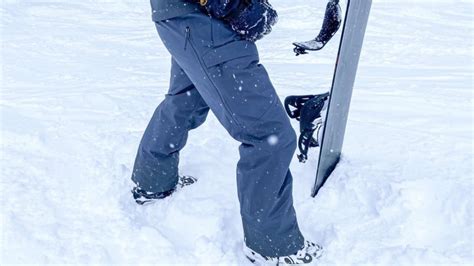
- Durable Water Repellent (DWR) Coating: The DWR coating on the face fabric of snow pants is a game-changer when it comes to repelling moisture. This coating creates a hydrophobic surface that causes water to bead up and roll off the fabric rather than being absorbed. This means that when you're out in the snow or exposed to light rain, your snow pants effectively shed moisture, keeping you dry and comfortable. Without this feature, snow and rain would soak into the fabric, leading to discomfort and potentially even hypothermia in extreme cold.
- Fully Taped Seams: Fully taped seams are another crucial feature that sets high-quality snow pants apart. These seams are designed to prevent melted snow or rain from sneaking past the stitching and reaching your skin or underlayers. When you're actively engaged in winter sports or even just enjoying the snowy outdoors, it's common to encounter wet conditions. Fully taped seams act as a barrier, sealing off any potential entry points for moisture. This is especially important in preventing cold, wet discomfort during your winter adventures.
- Insulation: While insulation may not be present in all snow pants, it's a feature that adds significant value in terms of warmth. Insulated snow pants are lined with materials that trap and retain heat, ensuring your legs stay warm even in frigid temperatures. This added warmth is essential for winter activities that expose you to cold air and snow for extended periods. Whether you're skiing, snowboarding, or simply enjoying a winter hike, insulated snow pants keep you cozy and comfortable.
- Venting Options: Venting options in snow pants are essential for regulating your body temperature. When you're active in the snow, it's common to build up heat and moisture inside your clothing. Snow pants often come equipped with zippered vents that allow you to release excess heat and moisture, preventing overheating and keeping you dry. Proper ventilation is crucial for maintaining comfort during physical winter activities.
- Reinforced Knees and Seat: Snow pants are designed to withstand the rigors of winter sports. Reinforced knees and seat areas add durability to the pants, ensuring they can endure activities like kneeling in the snow or sliding down slopes. This reinforcement prevents wear and tear and ensures your snow pants remain in excellent condition, even after repeated use.
- Adjustable Features: Many snow pants come with adjustable features such as waistbands and cuffs. These adjustments allow you to create a customized fit that ensures maximum comfort and protection from the cold. Adjustable cuffs, for example, enable you to seal your pants around your boots, preventing snow from entering.
The features mentioned above are what make snow pants essential for winter activities. The DWR coating, fully taped seams, insulation, venting options and reinforced knees and seat work in tandem to provide the comfort, protection and durability you need in wintry conditions. Whether you're hitting the slopes, going on a winter hike, or simply enjoying the snowy outdoors, these features ensure that your snow pants deliver top-notch performance, keeping you warm, dry and comfortable throughout your winter adventures.
Different Types of Snow Pants
In your search for snow pants that perfectly suit your style, preferences and specific needs, you'll inevitably encounter a variety of types, each tailored to different functions and ideal use scenarios. Among the prominent types are insulated snow pants, shell snow pants and bib snow pants, each with distinct characteristics that cater to diverse winter activities and weather conditions.
Insulated Snow Pants
Insulated snow pants are your go-to option if you're someone who easily feels the chill of winter or if your outdoor adventures involve extended periods of inactivity in cold environments. These pants are designed with a critical feature: a layer of insulation strategically placed between the outer face fabric and the inner lining. This insulation serves as a thermal barrier, trapping and retaining heat generated by your body. The result is exceptional warmth, making insulated snow pants some of the warmest ski pants available in the market.
One of the primary advantages of insulated snow pants is their ability to keep you comfortable in frigid temperatures. Whether you're skiing down a snowy slope, enjoying a leisurely winter walk, or sitting for extended periods in cold conditions, these pants provide the warmth you need to stay cozy and content. They are particularly well-suited for activities where maintaining a comfortable body temperature is paramount.
Shell Snow Pants
Shell snow pants, alternatively referred to as softshell or hardshell pants, cater to a different set of winter activities and weather conditions. Unlike insulated snow pants, shells are designed with a focus on breathability and versatility, making them ideal for activities that involve vigorous movement or higher temperatures. What distinguishes shell snow pants is their lightweight and breathable nature. These pants are constructed to provide excellent moisture management, ensuring that excess heat and perspiration are efficiently released to the outside while still offering protection from external moisture, like snow and rain. This breathability is especially valuable during activities that generate a significant amount of body heat.
Shell snow pants often lack the additional insulation found in their insulated counterparts, but they compensate for this with their waterproof properties. They are engineered to keep you dry in wet and snowy conditions, thanks to materials treated with water-repellent coatings and fully taped seams that prevent moisture infiltration. The versatility of shell snow pants is another noteworthy feature.
PANTS VS BIBS - Which Are the Best for Snowboarding?
Bib Snow Pants
Some prefer bibs for fuller coverage and warmth, while others pick snow pants for ease of use and familiarity. Some people prefer snow bibs because they offer torso protection and storage. Others prefer snow pants for their ease of use and familiarity. A key consideration: Some bibs have a side and/or rear zipper that lets you make a bathroom stop without much hassle. For others, you have to take off your jacket and pull down the shoulder straps.
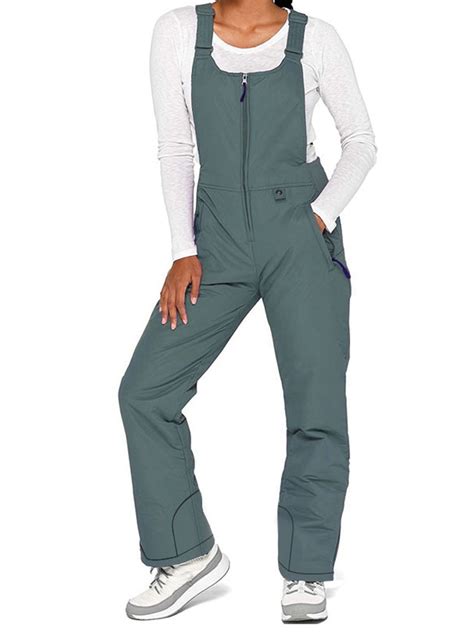
No matter what snow pant style you choose, look for the following features:
- Waterproof: "When youâre wet, youâre cold,â Allen says. This is especially true when youâre learning and spending some time on your butt in the snow.
- Insulated: For extra warmth, consider snow pants that are insulated.
- Snow gaiters: Built-in internal cuff gaskets that help seal out snow.
- Thigh vents: These let you add and adjust ventilation when you work up a sweat.
- Reinforced inner ankles: Patches to protect your pant cuffs from sharp metal edges and parking lot debris.
Read more: Snow Pants vs. Bibs: Which Are Better?
Additional Tips for Choosing and Using Snow Pants
To maximize your comfort and enjoyment during winter activities, consider these additional tips:
- Dress for your climate: Skiers and snowboarders in wetter areas like Pacific Northwest might want fully waterproof coverage (think GORE-TEX) and a little less insulation. Those in Rocky Mountain states, where conditions tend to be drier and colder, might need more warmth during the early season and lighter layers on sunny days.
- Use what you already own: If you're on a budget, existing outdoor clothing can do in a pinch, though it will lack some specific features found on skiwear. You might already own wool socks and base layers for hiking, or a down or synthetic puffy you can repurpose into a mid layer.
- Invest when it makes sense: Thereâs no need to splurge if youâre new to skiing and snowboarding, or if you only plan to go occasionally. Renting or borrowing gear at first is a great way to save money and figure out what you might want to invest in sometime in the future. This is especially true when it comes to skis, snowboards, poles and boots.
- Waterproof and synthetic is a winning combo: Choose jackets, pants, gloves and mittens that are waterproof and have synthetic insulation, a combo that ensures that damp conditions or your own sweat don't compromise warmth. The only exception? When conditions are frigid, opt for a down layer with a high fill power, since these layers tend to be both warm and packable.
- Add handwarmers and footwarmers as needed: Many skiers and snowboarders pack handwarmers and footwarmers as an insurance policy for when conditions turn frigid. Both Chandler and Zebrowski like to place a footwarmer on the upper interior of their boot, above their toes. This way, the footwarmer doesnât interfere with their toe grip and comfort in their boots.
- Avoid cotton: Cotton absorbs sweat, dries slowly and loses insulation, increasing chill and blister risk. This includes T-shirts, jeans and your favorite hoodie. âCotton doesnât dry well,â Allen says. âYou get cold and your experience can take a downward spiral.â
- Donât forgo goggles for lifestyle sunglasses: Lifestyle sunglasses offer less protection than goggles. Plus, âif you fall and your glasses shatter, the cracked lenses can hurt you,â Chandler says. If $200 seems like a lot to drop on goggles, consider borrowing a pair from a friend.
- Wear sunscreen: Sunlight is more intense at higher altitudes, and snow glare reflects the sun and intensifies sunburn and skin damage. Slather it on exposed skin and don't forget the undersides of your chin, nose and ears.
Frequently Asked Questions About Snow Pants
Here are some common questions about snow pants:
- Do I need a dedicated ski/snowboard jacket or can I use any rain jacket? You can use a rain jacket for skiing and snowboarding, especially when youâre just getting started. Just be aware that, âif you fall, you donât have a snow skirt to prevent snow from getting up your back,â Chandler says. Ski and snowboard jackets are typically made to withstand falls and brushes with debris, as well. Make sure your rain jacket is breathable and that the waterproofing still works so you donât end up cold and wet.
- How do I dress for really cold weather? Add a down mid layer when conditions are frigid. Down does a better job of trapping heat than synthetic fibers do. Zebrowski also suggests picking a garment with an articulated fit and a high down fill power. These features create a streamlined silhouette to give you more mobility on the slopes even when everything feels a little frozen. His trick? He adds a baggy pair of fleece shorts or fleece pants between his wool base layer and snow pants or bibs on the bottom in cold temps.
- What do I wear under ski pants? Wear a moisture-wicking base layer made from synthetic materials or merino wool under your snow pants or bibs to keep you warm and protected while riding.
- Can I ski in jeans? Thereâs no rule saying you canât ski in jeans, just like thereâs no rule saying you canât ski in a swimsuit, bra or tutu. However, âwet jeans might be one of the most uncomfortable things on the planet,â Allen says. (Remember advice about wearing cotton?) Denim is heavy, stiff, gets wet easily and stays wet or freezes. If jeans are part of your closing day pond skim getup, sure. Otherwise, we donât recommend it.
- Are RECCO® Reflectors worth it? If your clothing or gear comes with a RECCO reflector, it can help rescuers equipped with a RECCO detector to locate you after an avalanche. Itâs a nice-to-have feature, but not an essential, according to the experts we spoke with.