Are your bulky ski socks weighing you down on the slopes? If you're seeking a lightweight alternative that still provides the warmth and comfort you need, then look no further! In this guide to ultra-thin ski socks, we'll explore why these innovative socks are a game-changer for any avid skier or snowboarder. From their cutting-edge materials to their superior moisture-wicking abilities, get ready to discover the secret to high-performance skiing without sacrificing agility or style.
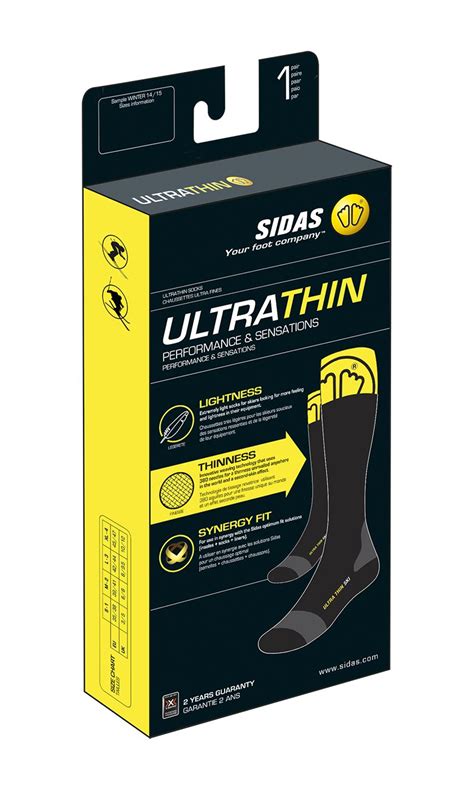
Why Ultra-Thin Ski Socks are Essential for a Great Skiing Experience
Ultra-thin ski socks are essential for a great skiing experience due to several reasons. First and foremost, the thin construction of these socks ensures a snug and comfortable fit inside your ski boots. They are designed to be lightweight and offer minimal bulk, allowing your foot to have direct contact with the boot, which in turn improves the overall control and responsiveness of your movements on the slopes.
Another important aspect of ultra-thin ski socks is their ability to provide excellent moisture management. Skiing is an active sport that can lead to excessive sweating, and the last thing you want is to have wet and damp feet. These socks are typically made from moisture-wicking materials such as merino wool or synthetic blends, which effectively pull sweat away from your skin and keep your feet dry and comfortable throughout the day.
Furthermore, these ski socks' thin and breathable nature also helps regulate temperature. The materials used in their construction allow for proper airflow, preventing overheating in warm conditions and providing insulation in colder climates. This helps to maintain a consistent and comfortable foot temperature, ensuring that you can focus on enjoying your skiing experience without any distractions.
Ultra-thin ski socks contribute to a better fit of your ski boots. Bulky socks can take up excess space inside the boot, causing your foot to shift or slide around. This can lead to discomfort, blisters and even decreased control while skiing.
Read also: Keeping Little Feet Warm on the Slopes
On the other hand, the slim profile of ultra-thin ski socks reduces the risk of friction and irritation, allowing for a more secure and precise fit. This translates to improved power transmission and increased responsiveness when making turns or executing maneuvers on the slopes.
Lastly, it is worth mentioning that ultra-thin ski socks are specifically designed to provide optimal cushioning and support in key areas such as the heel and the ball of the foot. Despite their thinness, they often incorporate strategic padding to protect these high-impact zones from pressure points and potential injuries. This additional support enhances comfort and helps minimize foot fatigue, enabling you to ski for longer periods without discomfort or pain.
Understanding the Importance of Proper Footwear for Skiing
Proper footwear is crucial when it comes to skiing. Having the right ski boots can greatly enhance your skiing experience and contribute to your safety on the slopes. Firstly, proper ski boots provide the necessary stability and support for your feet and ankles. Skiing involves dynamic movements and rapid changes in direction, and having boots that offer sufficient support can help prevent sprains and other injuries. The boots should fit snugly but comfortably, providing a secure fit that minimizes the risk of your feet sliding or moving within the boots.
As ski boots play a vital role in transferring your movements to the skis efficiently. A good pair of boots helps ensure a direct, responsive connection between your feet and skis, enabling you to control your movements effectively. The boots should have a sturdy construction that minimizes energy loss and allows for precise and accurate movements. Flex ratings, which indicate the boots' stiffness, are essential to consider based on your skiing ability and style.
Another reason why proper footwear is important for skiing is insulation. Skiing often occurs in cold conditions and the boots must be well-insulated to keep your feet warm and comfortable. Cold feet can not only be uncomfortable but can also impair your performance by affecting your balance and coordination. Insulated boots help retain heat and protect your feet from freezing temperatures.
Read also: Ultimate Guide to Icebreaker Socks
Moreover, ski boots should have adequate waterproofing to keep your feet dry on the slopes. Wet feet can lead to discomfort and may increase the risk of blisters and sores. Waterproofing technology in ski boots prevents moisture from seeping in and maintains the dryness inside the boot, ensuring your feet stay warm and irritation-free.
In addition to these factors, ski boots' overall fit and comfort level are crucial. Ill-fitting boots can cause discomfort, pain and pressure points, which can significantly impact your skiing experience. Boots that are too loose or too tight may also hinder proper blood circulation in your feet, leading to numbness and coldness.
Benefits of Using Ultra-Thin Ski Socks
- Improved comfort: Ultra thin ski socks provide a snug and comfortable fit without adding bulk or restricting movement.
- Enhanced warmth: Despite their thinness, these socks can still provide sufficient insulation to keep your feet warm and prevent cold air from seeping in.
- Better moisture management: Ultra-thin ski socks wick moisture away from the skin more efficiently, keeping your feet dry and preventing blisters.
- Reduced friction: The thin fabric reduces friction between your feet and ski boots, minimizing the chances of developing painful blisters.
- Improved responsiveness: Thinner socks allow for better contact and feel between your feet and the ski boots, enhancing responsiveness and control during skiing.
- Reduced foot fatigue: The lightweight construction of ultra-thin ski socks reduces fatigue and allows for longer periods of comfort and enjoyment on the slopes.
- Enhanced breathability: Thinner socks offer increased breathability, allowing for better air circulation and preventing the build-up of sweat and odor.
- Improved fit: With less bulk, ultra-thin ski socks can provide a more precise and customized fit, reducing the chance of slippage and discomfort.
- Increased durability: Despite their thinness, high-quality ultra-thin ski socks are often made with durable and long-lasting materials that can withstand the rigors of skiing.
- Wide range of uses: Ultra-thin ski socks can be used in a variety of other sports and outdoor activities, such as hiking and snowboarding, due to their lightweight and breathable nature.
Ultra-thin ski socks are designed with advanced fabric technology and compression zones that enhance your skiing experience. These compression zones apply targeted pressure to your feet and lower legs, improving blood flow and reducing fatigue. Imagine ski socks that act like compression socks, giving you the support and comfort you crave while skiing.
How Ultra-Thin Ski Socks Improve Comfort and Performance
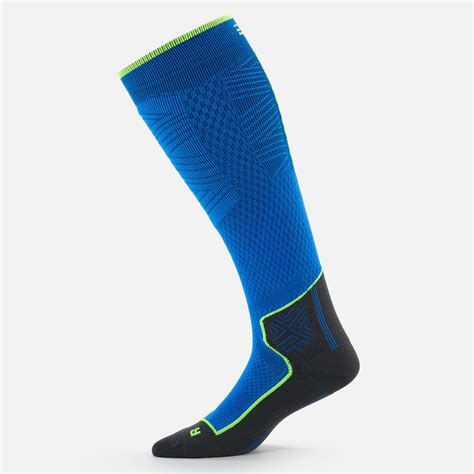
Ultra-thin ski socks can greatly enhance the comfort and performance of skiers by providing a range of benefits that contribute to a more enjoyable skiing experience. These socks are specifically designed to be thin and lightweight, prioritizing a snug and precise fit inside ski boots.
One of the primary advantages of ultra-thin ski socks is their ability to provide superior moisture management. These socks are typically made from breathable and moisture-wicking materials such as merino wool or synthetic blends. The thin construction allows for better airflow, enabling sweat to evaporate more efficiently, thereby helping to keep the feet dry throughout the day. By minimizing moisture accumulation, these socks reduce the risk of blisters, odor formation and discomfort caused by sweat-soaked feet.
Read also: Bombas Ski Socks: Performance Analysis
The thinness of the socks also contributes to improved boot fit. Less bulk and padding allow for a closer and more precise connection between the foot and the ski boot. This can result in better control and responsiveness while skiing, as the foot is able to transmit more accurate movements and feedback to the skis. The improved fit also reduces the likelihood of friction and pressure points, which can lead to foot pain and blisters.
Additionally, ultra-thin ski socks provide excellent insulation without causing excessive bulk. The materials used in these socks are often thermoregulating, which means they can help regulate the feet' temperature. They provide warmth when needed but also prevent overheating by allowing excess heat to escape. This balanced insulation helps maintain optimal foot temperature, enhancing comfort and overall performance on the slopes.
The thin profile of these socks can benefit skiers by increasing the volume of the ski boot for a more secure fit. The foot may feel cramped when wearing thicker socks, restricting movement and decreasing control. With ultra-thin socks, there is more space inside the boot, allowing for unrestricted movement and maximizing the skier's ability to maneuver effectively.
Choosing the Right Ultra-Thin Ski Socks: Factors to Consider
Material and Fabric Technology
When buying ultra-thin ski socks, the material and fabric technology are critical factors to check out. High-quality materials not only offer superior comfort but also ensure longevity. Look for socks that are a mix of Merino wool and synthetic fibers. This combination provides excellent insulation, even when wet, and ensures quick drying speed.
Moisture Wicking and Breathability Features
Choose ski socks that have impressive moisture wicking capabilities. This ensures that perspiration from your feet is drawn away, providing dry comfort. Breathability is another crucial aspect. Breathable socks allow air to circulate efficiently, which minimizes sweat and keeps your feet cool even during intense skiing.
Cushioning and Padding Options
Look for socks with a ski targeted cushion. Cushioned soles help absorb shock, providing additional comfort. Padding in certain areas like the shin and heel can minimize friction and prevent blisters. Remember that comfort and fit are paramount when selecting ski socks as they can significantly influence your skiing experience.
Maintenance and Care Tips for Ultra-Thin Ski Socks
Taking care of your ski socks can considerably extend their lifespan. Especially when we talk about ultra-thin ski socks, appropriate care and maintenance are crucial because of their delicate nature.
Washing and Drying Instructions
After a long day in your ski boots, the ultra-thin ski socks would require a quick washing. However, remember, these are not usual socks; they offer targeted cushions and have compression zones. Always follow the manufacturer's washing instructions. Mild detergents and cold water work great for this purpose. Never twist or wring your ski socks, as it may damage the compression zones and shape of the toe box.
Quick drying speed is one quality ultra-thin ski socks take pride in. Just squeeze the socks gently after washing and lay flat to dry. If you must, use a dryer on the lowest heat setting. Heat can reduce the socks' wicking ability, which is vital for managing moisture when ski touring.
Storing and Preserving the Quality
Once the socks are dry, fold them gently and store them in a cool, dry place. Ultra lightweight ski socks shouldn't be stretched or hung; it might distort the fit.
When to Replace Ultra-Thin Ski Socks
Ultra-thin ski socks are an essential part of a skier's gear, providing comfort and necessary protection for the feet during a day on the slopes. While these socks are designed to be durable and long-lasting, there comes a time when they need to be replaced. Knowing when to replace ultra-thin ski socks is crucial to ensure optimal performance and comfort on the slopes.
One of the main indicators that it is time to replace ultra-thin ski socks is when they start showing significant signs of wear and tear. Inspect the socks for any visible holes, thinning fabric or frayed edges. If these signs are present, it is a clear indication that the socks have reached the end of their lifespan and should be replaced.
Another factor to consider is the elasticity of the socks. Over time and with repeated use, the elasticity of ultra-thin ski socks can diminish. When the socks no longer snugly hug the foot and calf, they may start to sag or bunch up, leading to discomfort and decreased performance. If the socks have lost their elasticity, it is a good time to replace them.
Odor is another factor to consider. After multiple uses, the sweat and bacteria that accumulate in ultra-thin ski socks can cause an unpleasant odor. While washing the socks regularly can help minimize odor, if the smell persists even after thorough cleaning, it may be time to replace the socks. A persistent odor can indicate that the fabric has absorbed too much moisture and bacteria over time, compromising its effectiveness.
Moreover, if the socks no longer provide the necessary insulation and moisture-wicking capabilities, it might be time to replace them. Ultra-thin ski socks are specifically designed to keep the feet dry and warm for extended periods on the slopes. If they no longer maintain their thermal properties or fail to transport moisture away from the skin effectively, it is a sign that the socks have worn out and should be replaced to ensure optimal comfort and protection.
Lastly, personal preference and overall comfort play a significant role in determining when to replace ultra-thin ski socks. Individuals becoming more experienced skiers may develop their preferences for sock thickness, cushioning or other specific features. If the current pair no longer satisfies these preferences or is not providing the desired level of comfort, it may be time to explore new sock options and replace the existing ones.
How to Choose Ski Boots - Size, Fit & Flex
Are Ultra-Thin Socks Right for Me?
Using ultra-thin ski socks is essential for a great skiing experience. Proper footwear is crucial in any sport, and skiing is no exception. Ultra-thin ski socks offer numerous benefits, including improved comfort and performance. They are designed with advanced material and fabric technology, providing moisture-wicking and breathability features.
Additionally, cushioning and padding options offer extra support and protection. To ensure the longevity of your ultra-thin ski socks, proper maintenance and care are necessary. Following the washing and drying instructions and storing them properly will help preserve their quality. Knowing when to replace your ski socks to maintain their effectiveness is also important.
Ultra-thin ski socks are suitable for all skiing levels and can be worn even in cold weather. Determining the right size for your ski socks is also crucial for a comfortable fit. So, invest in a pair of ultra-thin ski socks and enhance your skiing experience to the fullest!
Frequently Asked Questions about Ultra-Thin Ski Socks
How to Determine the Right Size for Ultra-Thin Ski Socks?
Simply put, your compression socks should fit snugly. When it comes to hitting the slopes, choosing the right socks is just as crucial as selecting the perfect skis or boots. The right pair of socks can make the difference between a comfortable, enjoyable day on the mountain and a miserable experience with cold, wet feet. The material of your ski socks plays a significant role in their performance. Wool, particularly merino wool, is a popular choice due to its natural moisture-wicking properties and ability to retain warmth even when wet. Synthetic materials like polyester and nylon are also good options, offering durability and quick-drying capabilities. Some skiers prefer a blend of materials to get the best of both worlds.
Contrary to popular belief, thicker socks aren't always better for skiing. Modern ski boots are designed to fit snugly, and overly thick socks can actually compromise circulation and lead to cold feet. Opt for thin to medium-thickness socks that provide enough cushioning without bunching up inside your boots. Keeping your feet dry is essential for comfort and warmth while skiing. Look for socks with moisture-wicking properties to draw sweat away from your skin. Some skiers swear by the double sock method for blister prevention, wearing a thin liner sock underneath a thicker outer sock. Ski socks should be tall enough to extend above your boot line to prevent chafing. Most ski-specific socks come up to just below the knee, providing ample coverage and protection. Many ski socks come with additional features designed to enhance comfort and performance. These may include extra padding in high-impact areas like the shin and heel, seamless toe construction to prevent rubbing, and arch support similar to what you might find in running socks. Proper care of your ski socks can extend their life and maintain their performance. Always follow the manufacturer's washing instructions, but generally, it's best to wash them inside out in cool water and avoid using fabric softeners, which can reduce the moisture-wicking properties.
When selecting ski socks, consider the specific conditions you'll be skiing in and your personal preferences. For colder temperatures, you might want a slightly thicker sock, while spring skiing might call for a thinner option. If possible, try on ski socks with your boots before making a purchase. This will give you a better idea of how they feel and perform in real conditions. Choosing the right socks for skiing is an important but often overlooked aspect of gearing up for the slopes. By considering factors like material, thickness, fit, and moisture management, you can ensure your feet stay comfortable and warm throughout your ski adventures. Remember, the best socks for snow sports are those that keep your feet dry, warm, and blister-free, allowing you to focus on enjoying the mountain rather than worrying about your feet.
Ski Sock Fabric Types
Most ski and snowboard socks are made from either merino wool or a synthetic blendâor a hybrid of both. They also include a small percentage of elastane or Lycra spandex to enhance the fit and provide flexibility. Wool and synthetic are similar when it comes to function and durability, so it's up to you to decide which socks feel best.
Merino Wool
Merino wool is a material that retains its warmth when wet and is naturally odor resistant. Wool also breathes more easily and is known for its ability to wick moisture away from the skinâa key factor in keeping feet dry, warm and happy. Wool takes longer to feel wet because its fibers naturally absorb moisture; in synthetic fabrics, moisture runs across the fiber where you feel it more readily.
Synthetic Blends
Synthetic blends like nylon-polyester have become more popular in recent years, especially as an alternative for people who have sensitive skin or are allergic to wool. Synthetic yarn typically features fibers that trap warmth and wick moisture, giving the material many of the characteristics naturally found in wool. Most synthetics also come with an antimicrobial coating for odor control. Some skiers prefer the feel of synthetic socks, although merino wool is much less itchy than the wool socks of yesteryear.
Why You Should Avoid Cotton
A note about cotton: Just say no. No matter how cold it is outside, your feet are bound to get sweaty while skiing or riding. Cotton lacks the wicking properties of wool and synthetic fabrics so will take much longer to dryâleading to wet, cold feet and increasing the potential for blisters.
Ski Sock Thickness and Cushioning
It may seem counterintuitive, but a thicker sock is not necessarily a warmer sock. Your feet need adequate blood flow to stay warm, and socks that are too thick can restrict circulationâespecially when paired with snug-fitting boots. Meanwhile, advancements in fabric technology have improved the thickness-to-warmth ratio, enabling skiers and snowboarders to get by with a thinner sock than they needed back in the day.
Here are additional considerations regarding sock cushioning:
- No cushioning: Top skiers and snowboarders often opt for a sock with no cushioning or very light cushioning because aggressive boots have a tighter fit. Thinner socks are also a good option for skiers and snowboarders who want to feel the terrain underfoot.
- Light cushioning: Typically, lightly cushioned socks will have padding on the shin to protect the front of the leg from hitting or rubbing against the front of the ski boot. There will be minimal or no cushioning on the balls of the feet, although reinforced fabric at the toes and heel is common. Snowboarders sometimes opt for a thicker sock because some snowboarding boots fit more loosely than ski boots. More cushioning may also be preferred by those who tend to ski or ride in very cold conditions.
- Heavy cushioning: Not many ski or snowboard socks are designed with heavy cushioning, but ski mountaineers traveling to extreme environments may need a sock with more thickness. Heavy cushioning can also be a good choice for low-intensity winter activities like ice fishing or riding a snowmobile.
- Compression socks: Sometimes used by ski racers and other athletes for performance recovery.
Ski Sock Fit and Length
Find the right fit
Ski and snowboard socks should fit snugly, especially in the foot. This will prevent the sock from moving around or bunching up, which can lead to blisters. They shouldn't fit too tightly, thoughâyou want to have enough room to wiggle your toes and flex your foot. Some socks are designed with technology that helps the fabric stay snug and move in multiple directions with the foot.
Length
Most socks for skiing and snowboarding go up to the knees. Knee-high ski socks helping to protect from shin bangâsomething that happens when the front of the boot hits or puts painful pressure on the front of the leg. Cross-country skiers and snowshoers may opt for socks with a shorter length since the boots for those activities tend to be shorter. Sizing Different companies manufacture socks in different sizing increments, so note your shoe-size equivalent before deciding on small, medium, large or extra-large. If you're between sizes, it's best to size down for a snug fit.