Bandy and traditional ice hockey share common roots as winter sports played on ice with sticks and a goal-based scoring system. Despite their shared ancestry, bandy and ice hockey have developed into distinct sports with their own identities, fan bases, and governing bodies. But what exactly sets them apart? Let's delve into the key differences.
Historical Development
Bandy originated in England during the 19th century and was heavily influenced by field hockey. It was quickly adopted and popularized in places like Scandinavia, where it evolved into a distinct sport. Ice hockey, on the other hand, developed primarily in Canada during the same period, drawing on various stick-and-ball games from Europe and indigenous traditions.
Playing Surface
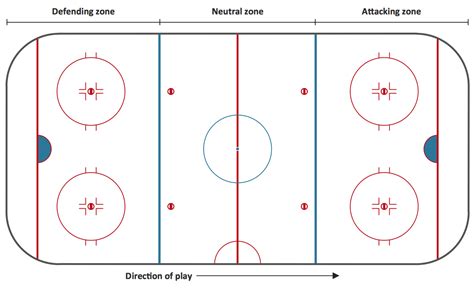
One of the most significant differences lies in the playing surface. Bandy is played on a large ice field about the size of a football pitch, while ice hockey is confined to a much smaller rink. This size difference drastically affects gameplay. Bandy emphasizes speed, long passes, and strategic positioning, while ice hockey is faster-paced with more frequent body contact and tighter formations.
Rink Dimensions
To illustrate the difference in playing surface, consider the typical dimensions:
- Bandy Rink: Approximately 100 by 55 meters (109 by 60 yards)
- Ice Hockey Rink: Significantly smaller, with specific dimensions varying based on regulations.
Equipment
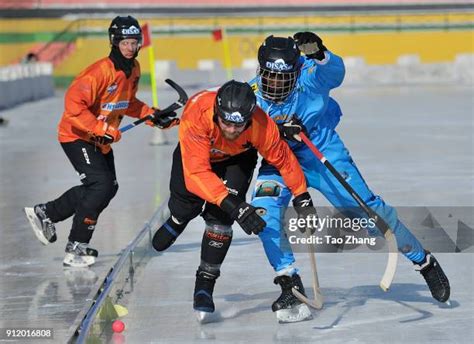
The equipment used in each sport also varies. Bandy players use a ball rather than a puck, and their sticks are typically shorter and have a more curved blade. Helmets and padding in bandy are minimal compared to the heavily armored gear worn by ice hockey players. Checking and physical contact are also much less common in bandy, making it a more fluid and less aggressive sport.
Read also: Features of Custom Hockey Gloves
The Rules of Bandy - EXPLAINED!
Rules and Team Size
Rules and team size differ as well. Bandy teams consist of 11 players per side, similar to soccer, while ice hockey teams have 6 players on the ice at a time. There are two halves of 45 minutes each, and play commences at the centre circle. Unlike hockey, no play is allowed behind the goals. Play begins with a “stroke off,” and each team is confined to its own half of the rink. Free strokes are given for penalties, such as for going over the midline. Free substitution is permitted. There are six officials in the game.
Key Differences Summarized
Here's a table summarizing the key differences between bandy and ice hockey:
| Feature | Bandy | Ice Hockey |
|---|---|---|
| Playing Surface | Large, football pitch-sized ice field | Smaller rink |
| Object of Play | Ball | Puck |
| Team Size | 11 players | 6 players |
| Physical Contact | Minimal | Frequent and allowed |
| Equipment | Minimal padding, shorter curved stick | Heavy armor, specialized stick |
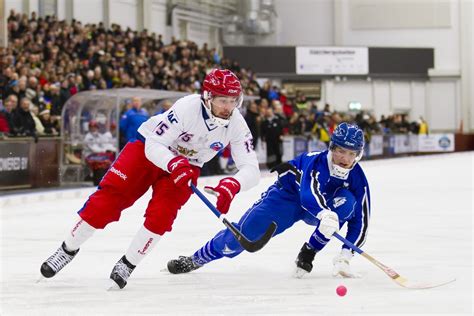
The use of a ball instead of a flat puck makes bandy faster than hockey. It is played almost exclusively in the Scandinavian countries, the Baltic countries, and Mongolia. A team is composed of from 8 to 11 players who wear skates and use curved sticks to hit a ball. The goalie does not use a stick but, alone among the players, can touch the ball with his hands.
Read also: The story of Craig Needham
Read also: Inside Aaron Ness's Career