Splitboard climbing skins are essential for backcountry enthusiasts, allowing you to ascend snowy slopes with ease. These strips of fabric, typically made from synthetic nylon fiber, natural mohair fiber, or a combination of both, attach to the base of your splitboard, providing the necessary traction to climb uphill and earn your turns. Choosing the right climbing skins involves considering several factors, including material, length, and width. Let's dive into a detailed review of some of the top splitboard climbing skins available.
Understanding Splitboard Climbing Skins
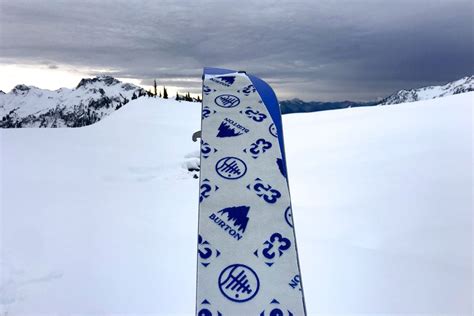
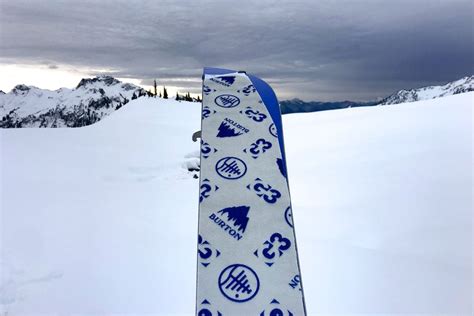
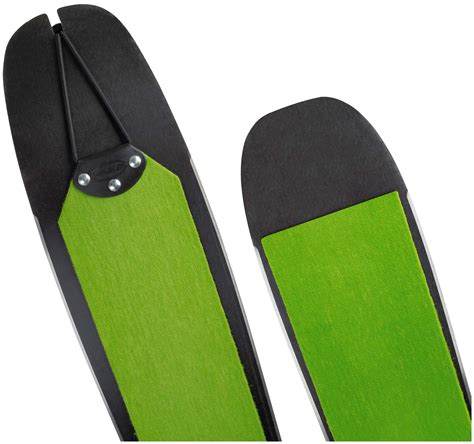
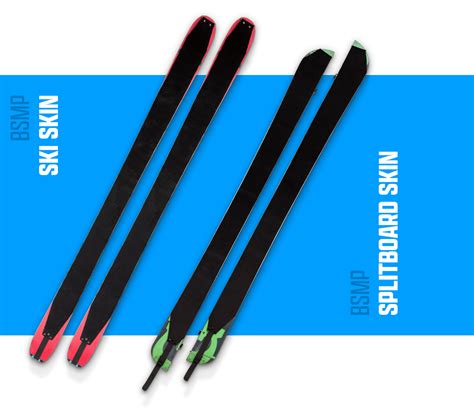
Splitboard climbing skins are strips of fabric (composed of synthetic nylon fiber / natural mohair fiber / or a combination of both) with a sticky underside, allowing the user to attach the skins to the base of a splitboard thereby creating traction and allowing the user to climb uphill to earn some turns. Skins are constructed with sewn-in tip and tail attachments, which vary in design and style by manufacture, and these help secure the skin to the board. Tail attachments are typically adjustable so as to fit a range of board lengths.
When a ski with a skin attached is pressured back against the snow as you try to push off and move forward, fibers of the skin engage with the snow and create traction / grip. When sliding forward, some materials create less resistance than others because of the same variables mentioned above in the Grip section. Generally, the better the grip, the worse the glide, and vice versa.
Key Considerations When Choosing Climbing Skins
- Material: Mohair offers smooth glide, while nylon provides grip and durability.
- Length: Choose the appropriate skin length range based on the length of your board.
- Width: Always go wider, selecting a skin set based on the widest width of your splitboard.
Top Splitboard Climbing Skins Reviewed
1. G3 Splitboard+ Universal Skins
The G3 Splitboard+ Universal skin is a high-performing, versatile player that is thoughtfully designed to provide a streamlined and efficient experience. The camming tail clips provide exceptional security when sized correctly, and G3 truly means it when they use the word universal here; they fit well on almost every board we tried them on. These skins work well for most riders in most conditions. The full nylon G3 Splitboard+ Universal is a notable exception, as it provides comparable glide to the mixed material Contour Hybrid and Big Sky Mohair Mix.
The G3 Universal Skin was also a strong performer, providing only marginally less grip than the two mentioned above. The Universal deserves an honorable mention here for its enviable balance of two opposing qualities. The goal here is to minimize transition and setup times so you can get as much riding and touring in as possible.
Read also: Comprehensive Review: Men's Swim Goggles
Pros: All-purpose, efficient, convenient, easy set-up, good glop avoidance.
Cons: Awkward folding, generalist.
Specifications:
- Measured Weight per Pair: 674 g
- Material: Nylon plush
- Glue: Non-toxic adhesive
- Tip Attachment: Asymmetrical steel hands
- Tail Attachment: SPLITBOARD+
During testing, we found that the more complex tail clip and bulky tip clip prevent this skin from folding or rolling as small as its simpler competitors, and it is one of the heaviest options we tested. That being said, the skin will still be packable enough for every application, like being shoved into a jacket pocket or stuffed in your backpack, and the efficient performance is worth the extra weight in most cases.
2. Voile Hyper Glide Skins
The Voile Hyper Glide skins are some of the best skins we have tested, offering superior glide in a lightweight and packable setup. They rival the size and weight of some of the ultralight skins we tested, and when rolled up, they are small enough to stash in the pocket of our ski jacket. These skins favor glide over grip, but even then, we still consider the amount of grip to be beginner-friendly if you are ready to put some work into your technique.
Read also: Ultimate Hockey Audio Guide
These 70/30 mohair/nylon skins are like a steady ox, always dependable, always strong. The Ever Dry hydrophobic treatment keeps the grip and sheds the glop whether the weather’s warm and wet or cold and dry. And the waterproof membrane between skin and adhesive keep the water from pushing through the fibers into your glue.
Pros: Excellent glide, small and lightweight, hardy attachment system.
Cons: Narrow for some boards, no skin savers.
Specifications:
- Measured Weight per Pair: 492 g
- Material: 70% Mohair - 30% Nylon
- Glue: Non-toxic adhesive
- Tip Attachment: Tip loop
- Tail Attachment: Urethane tail strap
We appreciate when manufacturers include skin savers with their products, and Voile does not. This means the glue may wear out faster, and the skins may be more difficult to peel apart. That aside, the glue was this skin's weakest metric, but even then, it did fairly well. A waterproof membrane layered between the carpet and the glue helped prevent moisture from reaching the glue, even when the fibers themselves were wet. The Voile Hyper Glide skins are relatively easy to attach to your board and offer an efficient amount of glide.
Read also: Ski Goggle Clarity and Comfort
3. Big Sky Skins Mohair Mix Persistence Skins
The Big Sky Skins Mohair Mix Persistence Skins are a lightweight pair of skins with a mohair mix carpet and some of the best skin glue we have used to date. When it comes to glue that stays sticky throughout many laps, lasts through multiple seasons, but won't stay on your base, it doesn't disappoint. The Big Sky Persistence skins offer enough glide to keep us going through long days, and even into the night.
Pros: Reliable glue, packable, great grip to glide ratio, durable.
Cons: Challenging setup, limited tail shape connection.
Specifications:
- Measured Weight per Pair: 498 g
- Material: 65%Mohair - 35% Nylon
- Glue: Non-toxic adhesive
- Tip Attachment: Asymmetrical Tip Loop
- Tail Attachment: BSMP Tail Connector
While many skins on the market today simply require you to adjust the length and then cut the edge, with the Persistence Skins, you have to cut both edges and make a full tip cut and construction. If you are willing to do the work, though, you will be rewarded with an excellent and long-lasting skin. The Big Sky Persistence skins offer enough glide to keep us going through long days, and even into the night.
4. Black Diamond Ascension Skins
The skins that have topped a million peaks, Black Diamond’s Ascension Splitboard Skins gotta win the award for “Most Likely to see on a Split in the Tetons.” These full Nylon skins have unbeatable glide but hold the snow like little claws. They’re glue skins but they have Black Diamond’s special skin glue which is just so smooth and grippy.
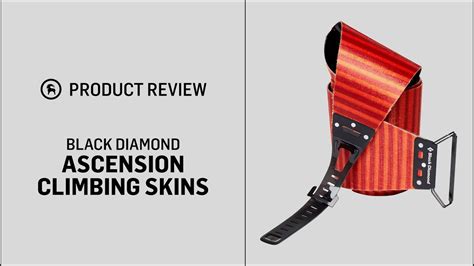
One more thing I love about Black Diamond’s Ascension Skins: their clips. This tail clip just locks it so well to the end and the side on your half-flat, half-curved splitski tails. What's more, many skiers prefer BD’s cable toe loop over G3’s hook system (this will ultimately come down to a matter of preference and familiarity). We do wish the BD came in multiple widths to eliminate waste (most skis are much narrower than 133mm), and the fixed tail hardware is a pain to replace when the plastic notches blow out (which will likely happen after years of use). But for beginners and those who only get out a few times a year, the Ascensions offer a great combination of durability, user-friendliness, and price.
Black Diamond’s mohair/nylon Glidelite Mix skins are simply killer. They’re plush hybrids, with a fluro-free DWR coating to keep up Black Diamond’s reputation as bombproof, high-performance splitboard ascenders. Black Diamond’s pivoting STS splitboard tail clip is already my favorite tail clip as I previously wrote, and I love the customization options of the user-installed STS tip clip.
5. Jones Nomad Pro Skins
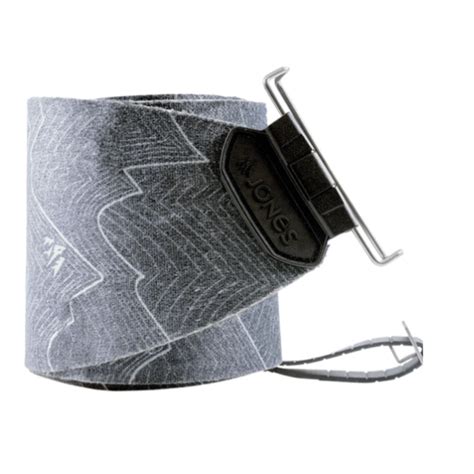
While there are plenty of companies with deep R&D departments and great testers, there’s no better person to trust making your split gear than the man who made a revolution with the tools, Jeremy Jones. That alone speaks volumes about these Jones Skins. They’re a mohair/nylon mix, that perfect blend of lightness, hold, and glide. What I really love about the Jones Nomads are the EVER-DRY anti-glopping treatment, which comes in huge during wet, warm spring conditions when other skins gain pounds of snow that turn a fun tour into a miserable slog. The Quick Tension tail clips are adjustable to a wide variety of sizes with a quick and simple move. And the Grip Tech keeps your skins from twisting, getting ripped apart, and failing during massive, rowdy tours.
6. POMOCA Climb 2.0
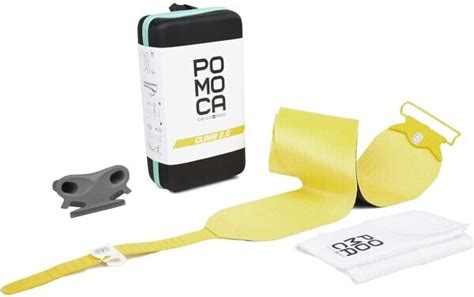
POMOCA has long been a big player in the skin game. Their Climb 2.0 Splitboard Skins are simply the next step in that evolution. These skins have a 70% mohair/30% nylon mix to get the best of both worlds - superb grip but also nearly-indestructible material for a dependable smooth glide. These POMOCA skins are some of the lightest skins on the market, at 7.6 ounces. The POMOCA 2.0s are strong and come with a pretty rad trim tool for cutting them to fit your board.
7. Montana Montamix Adrenaline
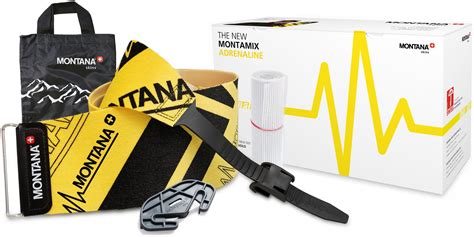
One of the big problems is that the skin tends to stick to your skins on the down and that can drag; luckily MONTANA’s Montamix Adrenaline skins use their FusionTec for glue-free adhesion to your split. They have an amazing set of split clips that locks them to your split like a glove. Plus they’ve gotta be some of the coolest-looking, So you have glueless, mohair-nylon-blend skins with a design that’ll stand out on those epic summit pics.
Grip vs. Glide: Finding the Right Balance
Skins are walking contradictions. We ask them to provide a claw-like grip to prevent us from sliding backwards, but at the same time, we want a forward glide comparable to sliding on a freshly oiled wooden floor. We ask that they adhere to our bases like duct tape but come off like brownies from a buttered baking pan. On top of all that, we want them to be light as feathers but as durable as granite.
General characteristics of nylon are that it grips well, but doesn't glide as well. Mohair does not grip as well, but glides better. Nylon is also more durable, but it does sacrifice weight, as it is heavier and bulkier than mohair.
In the end, it is important to select a pair that aligns with your top priority, whether that is speed, efficiency, or stability. Our favorite model, the G3 Universal, offers performance that is at the top of its category and has a secure attachment system that will work well for uniquely shaped boards, which sets it apart from other well-balanced skins. This nylon carpeted model is incredibly versatile and durable, and supports a variety of goals, whether you are a beginner or are sliding into your 10th season in the backcountry.
An experienced backcountry skier or splitboarder with good skinning technique can climb extremely well using skins that compromise some grip for improved glide. In contrast, a beginner is likely to favor a skin that provides the utmost grip but at the expense of glide. The difference between these users' needs is technique. Good technique can make up for skins that provide less grip, but can't overcome skins with less glide.
As you refine your route-finding skills and splitboarding technique, you'll probably find yourself climbing lower-angle skin tracks with no switchbacks. Ascending a lower angle skin track helps you conserve energy, reduce your grip needs and provide a better chance of learning proper technique.
Ease of Use: Setup, Attachment, and Removal
It's critical that your skins are reliably easy to use, and this metric is rated based on an evaluation of the initial fitting and setup, as well as day-to-day attachment and removal. Weight and packability are other important parts of ease of use. In general, skins with less bulky attachment systems that have thin and supple carpets did the best here.
Brand new skins need to be trimmed to fit a splitboard. All the models we tested include trim tools, but a couple of the tools are nicer than others. The G3 trim tool, in particular, is simple to use and has an ergonomic design, which results in a well-cut skin that accurately matches the splitboard with little room for error.
Our skins are a critical tool in the backcountry, and an effective attachment system serves two purposes: it must first be reliable, and secondly, it must be user-friendly. The attachment system is the foundation for avoiding skin failure. If the glue has been compromised, a good attachment system can prevent a total failure and allow you to limp back to the trailhead.
| Skin Model | Glide | Grip | Ease of Use | Glue |
|---|---|---|---|---|
| G3 Splitboard+ Universal | 8.0 | 8.0 | 8.0 | 7.0 |
| Voile Hyper Glide | 9.0 | 8.0 | 8.0 | 7.0 |
| Big Sky Skins Mohair Mix Persistence | 8.0 | 8.0 | 5.0 | 9.0 |
Many skins in this review, like the Jones Nomad Pro and Black Diamond models, utilize the time-tested method of a fixed metal wire loop that slides over your tip clip. This system is reliable, but harder to align with the inside edge of you board than that of the G3.
How To Chose The Right Type of Climbing Skins for Ski Touring
The Importance of Skin Glue and Glop Prevention
If attachment systems provide the backbone of your skin's security, the glue provides the meat. We expect our skins to have a welded bond to our bases yet still be easy to pull apart when we've reached our objective. Each skin model has varying adhesive levels - some are a little too strong, and others are incredibly easy to pull apart (maybe a little too easy).
Glopping is most likely to occur on a powder day when you're moving through a mix of snow exposed to warm, above-freezing temps (perhaps in the sun) and cooler temps in shady areas. Skins can become wet from the warmer melting snow, and the colder snow sticks to the moisture or glops onto the skin. Skins such as the G3 series, Black Diamond, and Jones all have sophisticated waterproofing membranes and coatings that aim to prevent glopping and carpet saturation.
tags: #best #splitboard #skins