Planning a ski trip this winter? Breckenridge, with nearly 3,000 skiable acres and elevations reaching almost 13,000 feet, has long been a popular choice. However, it's essential to consider both its strengths and weaknesses to make an informed decision.
Breckenridge gets a lot of things right, with high-alpine bowls, diverse slopes, and top-tier terrain park features. However, issues with wind exposure and resort logistics keep the mountain from being best-in-class, and the high altitude isn’t for everyone.
Ski and Snowboard Terrain
Breckenridge truly shines with its diverse skiable terrain, offering everything from regular trails to glades and wide-open bowls. The resort consists of 5 mountains in a row-Peaks 6 through 10-and 3 distinct base areas.
Beginner Slopes
A couple of Breckenridge areas on Peaks 8 and 9 cater to beginners, but the resort ultimately isn’t the best for less-experienced visitors. The lower part of Peak 9 contains the resort’s most popular beginner terrain, with an abundance of mellow slopes.
However, there are no blue or black alternatives for more aggressive skiers in this area-this causes an unwelcome mix of ski traffic on all trails here and can be unsettling for those learning. The less-trafficked beginner pods on Peak 8 are much more insulated, and with Rip’s Ride’s recent upgrade to a high-speed quad, this area has become much more desirable than in years’ past. However, Peak 8’s beginner zones are still small with limited terrain.
Read also: Winter Adventure Packing List
Intermediate Slopes
Breckenridge offers a much wider array of intermediate terrain. Blue runs cover the vast majority of lift-serviced Peak 6 and 7 acreage and a sizable portion of Peaks 8 and 9. Most of this terrain consists of below-treeline cruisers, but the upper Peak 6 area provides a unique opportunity for intermediate bowl skiing. Peak 7 is also a good area for intermediates to test the waters in glade runs.
Most blue trails are typically-rated for their difficulty, but the Peak 6 blues are a bit harder than the rest, with pitches that are frankly comparable to some easier groomed blacks elsewhere at the resort. Breck’s intermediate runs are mostly consistently groomed, but a few blues, chiefly on Peak 6, can build up moguls. Breckenridge offers a well-rounded variety of intermediate slopes across four of its five peaks.
Terrain Parks
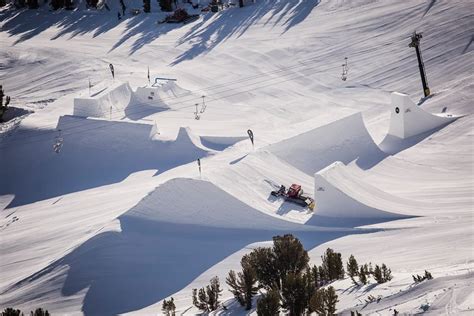
Breckenridge’s freestyle terrain is still competitive, but it’s nowhere near as crazy as it used to be. Three sizable terrain park areas boast features ranging from small to large, including boxes, rails, jumps, and a banked slalom. However, the extra-large features Breckenridge was once known for are now a thing of the past.
Advanced and Expert Slopes
The vast majority of Breck’s harder terrain lives in mid or upper-mountain areas. Guests will find the best below-treeline black trails and glades off the mid-mountain E Chair, 6 Chair, and Falcon SuperChair, with a few steep groomers off the latter that allow for serious speed runs. The Peak 8 SuperConnect services some great double blacks as well, but these can get windswept at times.
These runs are steep, mogully, and challenging-but short compared to hard trails at places like Keystone and Vail. On many of these trails, it’s common to get stuck on catwalks to get back to the nearest chairlift.
Read also: Luxurious Stay in Breckenridge
High-Alpine Bowl Terrain
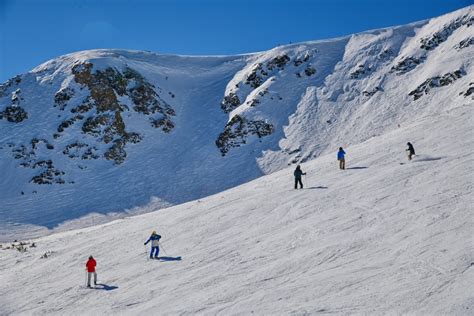
Breckenridge’s bowls offer some of the highest lift-serviced skiing in the world, boasting conveniently lappable above-treeline terrain. These slopes span three of Breckenridge’s five peaks, and guests can often find hidden powder stashes with a bit of traversing. Those willing to hike can get to barely-tracked snow.
Breckenridge’s only extreme terrain requires hiking to reach-you won’t find chutes or cliffs directly off the lifts. But once you’re up in these areas, you’ll find that the Lake Chutes and Six Senses areas hold their own against the toughest in Colorado, with cornice-lined entries, rock-riddled lines, and essentially no room for error on the toughest runs.
Breckenridge also offers easy access to backcountry terrain, which is completely unpatrolled and should not be entered without a guide for those unfamiliar.
Altitude
Don’t be surprised if you need a break, because Breckenridge’s altitude is incredibly high, even among Colorado resorts. Those not used to the elevation may find themselves struggling to exhibit energy here.
Tips For Dealing With Altitude on Ski Trips
Snow Quality
Breckenridge’s snow totals are strong, matching those of upper-tier Front Range destinations. The resort sees its fair share of powder days each winter, especially later in the core season. Even some good April storms aren’t out of the ordinary.
Read also: Breckenridge Ski Resort Guide
High-Alpine Conditions
Breckenridge’s bowls often maintain excellent snow preservation, and the unimpeded views of neighboring peaks are incredible on a nice day. But the terrain up here is heavily exposed to the elements, and wind can sometimes become intolerable. In addition, conditions at times are windswept and crunchy, and it’s hard to tell what’s ahead of you when flat light occurs.
Mid and Lower-Mountain Conditions
The snow at Breckenridge is often best in mid-mountain areas, where the resort faces less wind exposure and sees generous accumulation throughout the season. Lower mountain areas typically see somewhat more variable conditions, but early-season snowmaking ultimately provides resiliency and helps to lengthen the season.
Spring Skiing
In recent years, one of the benefits about Breckenridge has been its spring skiing season. The resort now has one of the latest closing dates in Colorado, staying open through mid-to-late-May, depending on the snowpack.
There is a catch, however. Breck’s staff aren’t employed to continue in every resort area, and select mountain zones gradually close starting in mid-April, even if conditions are still appropriate for skiing.
Facilities
Due to its exposure, conditions can often become windy or stormy at Breckenridge, and temperatures tend to be a few degrees colder than at other Colorado resorts due to the elevation. Luckily, plenty of lodging facilities are present around the resort. Most major mid-mountain areas have lodges or huts, meaning you never have to ski far to get inside for a break.
Lifts
Breckenridge’s lift infrastructure is mostly modern, but it could be a bit better logistically. On the plus side, most areas are serviced by high-speed lifts, and the expansive base town offers lift or gondola service from far-away areas (although the parking lots in town are no longer free). Capacity at the crowded Peak 8 base is quite high, with two express lifts and two fixed-grip helper lifts, and the new Freedom SuperChair on Peak 7 has significantly relieved crowds in that area.
Crowd Flow
If you’re looking to do laps on a busy day, Breckenridge is not the place. Lines at Breckenridge’s main beginner lifts are just plain horrendous, with the Quicksilver SuperChair and 5-Chair being profound chokepoints due to the general lack of green terrain elsewhere at the resort. Some loading areas are inconsistently placed, especially at Peak 9, causing loading issues that cascade into backups. Two-thirds of the Peak 8 SuperConnect’s chairs load at the base station, so lines at the popular mid-station become lengthy. These logistical problems especially hurt on weekends and holidays, when the resort tends to get heavily trafficked.
Navigation
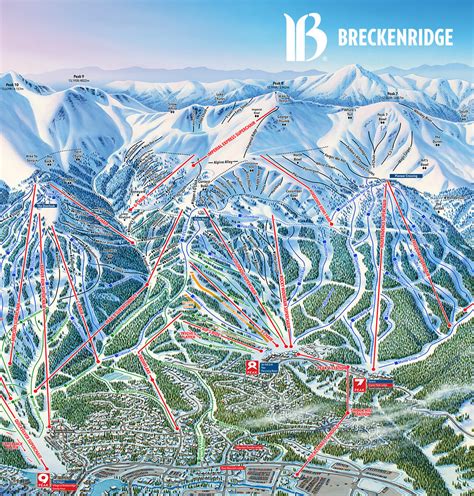
Breckenridge’s setup makes it relatively arduous to navigate between mountain areas. From basically anywhere on Peak 9 or Peak 10, you have to take the Peak 8 SuperConnect lift to get to Peaks 6, 7, or 8. Skiing from Peak 8 to Peak 7 requires navigating quite a bit of flat terrain or taking a gondola between the two base areas. The only access to the Imperial Express comes from the heavily-exposed T-bar or the slow Chair 6 lift (which is confusingly actually on Peak 8). In addition, access to Peak 6’s Kensho SuperChair requires either a lengthy traverse or a ride up the slow, fixed-grip Zendo Chair.
And if you don’t want to take the Zendo Chair, finding that traverse is just plain confusing; in fact, the only entryway is hidden behind the Pioneer Crossing restaurant.
On the plus side, getting from lower-numbered peaks to higher-numbered ones isn’t as difficult, and at least one base area is accessible from every part of the mountain.
Getting There and Parking
Like other Colorado Front Range ski areas, Breckenridge’s closest city is Denver. With no traffic, the resort is about two hours from the Denver International Airport-however, weekend drives often come with serious backups on I-70, the main highway to the resort. Visitors can also fly into the Eagle County Regional Airport, which is just over an hour from the resort but typically pricier to fly into. A number of shuttle services exist to and from both airports.
It’s worth noting that Breckenridge no longer offers free lift-serviced parking, with only the Airport Road parking lot remaining complimentary. Guests who don’t want to pay for parking should bake in an extra 20-30 minutes at the beginning and end of the day to take the shuttle between this lot and the BreckConnect Gondola.
Lodging
Breckenridge offers a variety of lodging options both slopeside and in town. Each base area offers upscale ski-in/ski-out hotels and condos with pools and hot tubs. The bulk of lodging in town is only a short walk from the Snowflake lift or BreckConnect gondola, and some ski trails go directly downtown, offering easy ski-in access. Many hotels and condos are walking distance from attractions in town. For those looking to save money or meet people, there are two hostel options in town as well.
Aprés-ski
You’ll find extensive aprés-ski options in this former mining town-and you’ll start feeling things quickly if you’re not used to the altitude. Each base area has at least one slopeside bar, but the best ones are T Bar at Peak 8 for happy hour or Maggie’s at Peak 9 for live music. In town, you’ll have access to several bars with vibes ranging from casual to lively. Many feature live music or DJs. For trivia lovers, Broken Compass Brewing offers competitions on Tuesdays while Rita’s offers them on Thursdays.
Verdict
For most, Breckenridge’s size, terrain diversity, and conveniently accessible bowls will deliver a well-rounded package. But the altitude here can be overwhelming for some, conditions in the heavily exposed bowls can be hit-or-miss, and navigating this wide resort can be exasperating. In addition, the resort is a risky bet for key weekends and holidays due to its lift lines.
Pricing
Ticket prices are extremely steep, now cresting over $200 during peak times, making the cost of entry tough to justify if you don’t have an Epic Pass.
Pros and Cons of Breckenridge Ski Resort
To summarize, here's a table highlighting the main pros and cons of Breckenridge Ski Resort:
| Pros | Cons |
|---|---|
| Diverse skiable terrain | High altitude can be challenging |
| High-alpine bowls | Wind exposure in bowls |
| Top-tier terrain park features | Complex navigation between areas |
| Modern lift infrastructure | Crowded lift lines, especially during peak times |
| Extensive aprés-ski options | Expensive lift tickets |
| Variety of lodging options | Parking can be difficult and costly |
tags: #breckenridge #ski #resort #reviews