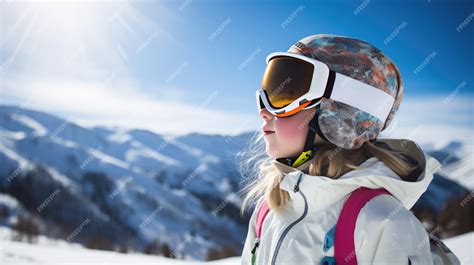
In the mountains, protecting your child's eyes is of utmost importance. Children's eyes are more vulnerable than adults' and can be quickly harmed by the sun's harmful rays. To safeguard your young adventurer, it is important to choose comfortable and high-performance equipment such as a ski mask. But which model is right for your child? Here are some things to think about.
Choosing the Right Size
Ski masks for children are not one-size-fits-all. They are typically available in age ranges to accommodate a variety of facial shapes. Even though it seems obvious, pay attention to how comfortable the mask is. Your child needs to feel at ease in their gear to ski with confidence! When trying it on, make sure the mask:
- Does not pinch the bridge of the nose.
- Does not exert pressure on the eyes, temples, cheeks, and forehead.
The ski mask needs to be airtight and properly fit the shape of their face to adequately protect their eyes. It acts as a barrier against wind and cold, and it keeps small particles out, unlike sunglasses. No more watery or stinging eyes!
Caution: As your child grows, they will likely need a larger ski mask. Do not overlook this step.
Sufficient Sun Protection
Children's eyes lack natural protection against the sun, unlike adults. It is even more crucial to select good sun protection due to the reflection of the sun's rays on the snow. Their retina, which is still developing, may be harmed without it. The recommended minimum index? Category 3, which filters out virtually all UV rays and allows for comfortable skiing in sunny weather. It improves your little one's visual comfort and effectively protects them when exposed to intense light.
Read also: Ski packages for family fun
Another option: opt for a photochromic ski mask. This evolving screen lightens or darkens with each change in brightness. It guarantees excellent vision in both good and bad weather. Your child will be more at ease on the slopes!
Anti-Fog Technology
Most ski masks now have an anti-fog treatment for comfortable skiing. Some masks even have a double lens. The advantage: creating a layer of air between the two panes to isolate the inside of the mask and prevent condensation. Ideally, the mask should have the following for optimal visibility:
- A double lens.
- Additional anti-fog treatment on the inner surface of the lens.
- Good ventilation that promotes air circulation and prevents fogging.
Good to know: To remove dust from your mask, avoid using gloves that can scratch it. If the lens is dirty, clean it gently with a soft, non-abrasive cloth like a microfiber wipe.
Your young skier will be able to experience the joys of winter sports in complete peace of mind with complete and comfortable equipment.
Eyewear Compatibility
Does your child wear prescription glasses? Look for a ski mask labeled "OTG" (Over The Glasses). This type of mask has an OTG foam that allows you to slide your glasses into the ski mask without feeling any discomfort!
Read also: Choosing the Right Snow Bibs for Kids
Additional Features to Consider
When choosing ski goggles, keep the following features in mind:
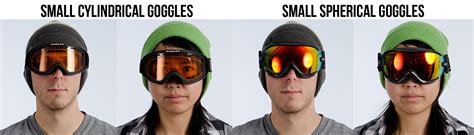
- Lens Shape: Lenses are usually either flat or spherical. Cylindrical lenses are more affordable but can cause more glare and reduce peripheral vision. Spherical lenses offer better peripheral vision, less distortion, and less glare. Toric lenses, a newer option, curve both horizontally and vertically for enhanced vision.
- Ventilation: Double-layered lenses, anti-fog coatings, and vents on the top, sides, and bottom of the goggles help control fogging. Some high-end goggles even include small, battery-operated fans to disperse moisture.
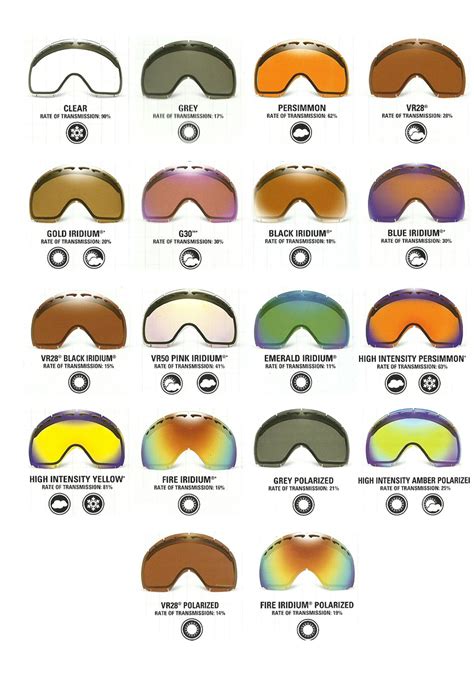
- Visible Light Transmission (VLT): The amount of light that reaches your eyes through the lenses. Lighter lens tints (yellow, gold, amber, or rose) offer increased VLT and are suitable for cloudy days, while darker tints (brown, black, gray) offer reduced VLT and are ideal for sunny days. Clear lenses are appropriate for night skiing.
- UV Protection: Virtually all goggles sold today offer 100% UV protection from UVA, UVB, and UVC rays.
- Interchangeable Lenses: Allow you to swap out different colored lenses to suit changing light conditions.
- Polarized Lenses: Reduce glare from sunlight on snow or water.
- Photochromic Lenses: Automatically change tint level according to conditions and UV intensity.
- Mirrored Lenses: Reflect more light and allow less light through the lens.
- Digital Display: Some goggles offer advanced technology that may pair with GPS and Bluetooth to display navigation, performance, and smartphone information.
Frames and Fit
The fit should be snug (not tight) and comfortable. Some models are best suited for smaller or larger faces; you can often find frames in small, medium, large or XL sizes. Women's and kids' sizes may be available, too.
Other fit considerations:
- Low bridge fit: Skiers and snowboarders with higher cheekbones or lower nose bridges might consider goggles in a low bridge fit, which are designed to create a more customized fit.
- Helmet compatibility: Most snow goggles are designed to work with ski or snowboard helmets, but it's still important to try goggles together with your helmet to ensure a comfortable and flush fit.
- Strap adjustments: Most goggles have a single, sliding clip to make adjustments. Others may have an open/close buckle with sliding clips on each side for adjustments.
- Padding: This keeps the goggle from pinching your face. Foam should be thick enough to cushion your face but not be so thick that it promotes fogging.
Visible Light Transmission (VLT) and Lens Color
Your lens color serves to filter and emphasize the colors in your vision. The amount of light that reaches your eyes through the lenses is called the visible light transmission (VLT). Visible light transmission - measured as a percentage - is affected by factors such as the color, thickness, coatings and material of the lenses. You can typically find a goggle’s VLT in the products specs.
Lighter lens tints have a higher VLT because more light passes through the lens. Yellow, gold, amber or rose-colored lenses all offer increased VLT and make good choices on cloudy, socked-in days.
Darker tints have lower VLT because less light passes through the lens. Brown, black, gray and lenses all offer reduced VLT and thus excel on bluebird days.
Read also: Comprehensive Review: Men's Swim Goggles
Clear lenses are appropriate for night skiing.
Here's a table summarizing lens color recommendations based on weather conditions:
| Weather Condition | Recommended Lens Color | VLT |
|---|---|---|
| Cloudy/Overcast | Yellow, Gold, Amber, Rose | High |
| Sunny | Brown, Black, Gray | Low |
| Night Skiing | Clear | Very High |
With the right ski mask, your child can enjoy the slopes with comfort, safety, and clear vision!