Flagstaff, Arizona, nestled at an elevation of approximately 7,000 feet (2,130 m), is renowned for its four distinct seasons and cooler average temperatures. The weather in Flagstaff, Arizona is unlike most other areas in the state. Due to its elevation of 6,910 ft (2,106 m), Flagstaff experiences intense sunny days as well as an average of 100 inches of snow during the winter months.
Flagstaff has a semi-arid climate with four distinct seasons. Summers are mild, with average highs in the 80s, and a monsoon season brings thunderstorms from July to September. Winters are cold, with plentiful snowfall, making it an ideal destination for skiing and other snow activities.
Let's delve into the specifics of snowfall in this captivating city.
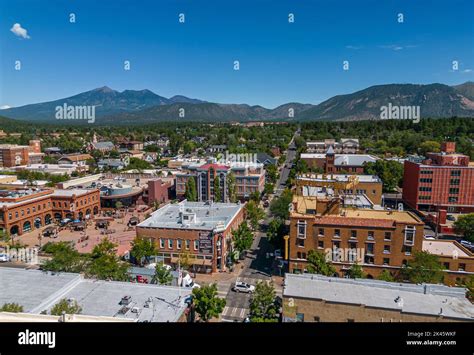
Flagstaff's Snowfall in 2024
2024 is off to a snowy start for northern Arizona, with the Flagstaff area receiving nearly 90 inches of snow in the first three months of the year. As of Tuesday, March 26, the Flagstaff area had received 89.8 inches of snow since the start of the year.
January saw just 2 inches above the normal amount of snowfall, with 22.2 inches of new snow falling, according to National Weather Service data. February saw 45.9 inches of new snow, significantly more than the normal 19.3 inches. As of Tuesday, March 26, the Flagstaff area had received 21.7 inches of snow. The normal for all of March is 13.7 inches of new snow.
Read also: Flagstaff in November: What to Expect
Other portions of Arizona have also seen above-average snowfall in 2024. Williams reported nearly 30 inches more than normal after 67.7 inches of snow have fallen this year, according to National Weather Service data. Show Low received 22,7 inches of snowfall in 2024, which is more than a foot above average. Prescott reported a total of 12.5 inches in 2024, which is 5 inches above normal. Payson saw relatively normal amounts of snow.
Over the weekend, northern Arizona was hit with a storm that brought between 1-15 inches of snow. While places like Prescott, Payson and Show Low all received about 2-2.5 inches of snow, Forest Lakes reported 15 inches. Flagstaff saw between 3.5-6.2 inches depending on where the measurement was taken.
Flagstaff: One of the Snowiest Cities
According to Almanac.com, Flagstaff is one of the snowiest United States cities based on historic data from the National Oceanic and Atmospheric Administration. It was topped in the historic ranking by Sault Ste. Marie, Michigan, which received 51.1 inches of snow in 2024, and Syracuse, New York, which reported 49.9 inches in 2024. Juneau, Alaska, was also ranked higher, but 2024 data was unavailable.
So far in 2024, the Denver area has only reported 26.5 inches of snow and Boulder reported 59.6 inches, weather service data shows. The Chicago area reported 18.3 inches of snow this year, well below the normal 27 inches. New York City reported just 18.3 inches of snow, while Buffalo reported 62.8 inches of snow.
Typical Snowfall Patterns in Flagstaff
The National Weather Service was forecasting scattered showers and thunderstorms on Tuesday. There are also monthly and yearly counts of the days that the city normally has heavy snowstorms and deep snow accumulated on the ground. In December, for instance, one in four years totals over 27 inches of snow.
Read also: Northstar Resort Welcomes Guests
The first snowfall of winter for Flagstaff can arrive as early as October or as late as December. About one in four Octobers get a light snow. But one in four Novembers don't see any fresh snow. The season's last snowfall typically happens in April.
Most days of snowfall in Flagstaff leave at least an inch of fresh snow on the ground. For 11 days a year on average, the amount of new snow totals at three inches or more. Snowstorms of over five inches a day normally occur six times a year. Major blizzards that dump ten inches or more in one day typically show up once or twice a year.
For well over half of winter, Flagstaff has at least an inch of snow on the ground. Snow mostly accumulates during January and February. Typically, on seven days in January and another four in February, the snow covering Flagstaff gets to ten or more inches deep.
The maximum daily snow cover was 83 inches (210 cm) on December 20, 1967, although the mean maximum for a full winter is only 20 inches (51 cm). However, due to the infrequent and scattered nature of the snowstorms, persistent snowpack into spring is rare.
The average annual snowfall is 97 inches (250 cm). There are four seasons in Flagstaff, with cool to cold winter temperatures averaging 45 °F (7 °C) and warm summer temperatures averaging 80 °F (27 °C), much cooler than much of Arizona.
Read also: When Does It Snow?
Here's a breakdown of what to expect throughout the year:
- January - April: Refreshing days and crisp nights! Nights are cold, with temperatures warming up during the day. Layering is key and snow is possible. Bring warm pants, winter coat, gloves, boots and heavy socks.
- May - August: Perfect summer weather! Days are comfortable with cooler temperatures in the evening. During the summer monsoon season of July through mid-September, afternoon thunderstorms and rain showers are possible. Bring shorts, light pants, rain gear and sandals.
- September - October: It’s the perfect season to enjoy the fall colors! Days are comfortably cool and refreshing with slightly chilly evening temperatures. Bring a light jacket, a sweater, and pants for layering in the evening.
- November - December: Enjoy Flagstaff’s beautiful winter wonderland! Nights are cold, with temperatures warming up during the day.
Winter months in Flagstaff are usually very brisk with the average daytime temperature around 38 to 40°F. Jackets and layers are a necessity, especially when the snow begins to fall. Luckily, even if a winter storm hits, the Arizona sunshine is bound to appear within a day or two and newly fallen snow will glisten under a beautiful bright blue sky.
Driving to and in Flagstaff during or just after a snowstorm will require extra precautions such as checking road conditions, bringing chains for your tires or have a 4WD or AWD vehicle. During and after snowstorms, Highway I-17 from Phoenix will likely have a car accident that will back up traffic for hours to half a day. The road up to Snowbowl Ski Resort will also have someone on staff checking for chains for 4WD for heading up Snowbowl Road.
Winter Activities in Flagstaff
Arizona Snowbowl Ski Resort Review
In the colder months, Flagstaff transforms into a winter wonderland, beckoning skiers and snowboarders to carve their way down the powder-capped slopes of the Arizona Snowbowl. Flagstaff gets great snow during the spring and is typically a wonderful time to enjoy skiing and snowboarding.
Here are some other winter activities you can enjoy in and around Flagstaff:
- Cross-country Skiing, Snowshoeing, and Fatbiking: Visit the Arizona Nordic Village for a groomed trail system.
- Grand Canyon: Take a day trip to explore the iconic Grand Canyon.
Flagstaff's Unique Environment
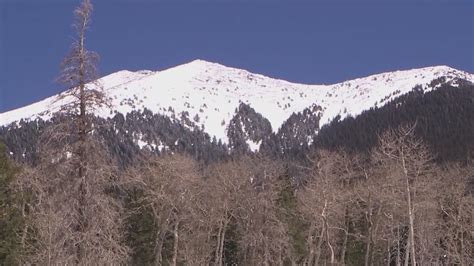
At 7,000 feet (2,135 meters) elevation, Flagstaff is located in the largest contiguous ponderosa pine forest in the world. Flagstaff is an area "of great ecological variation" due to its diverse habitat life zones.
The San Francisco Peaks are a main aspect of Flagstaff's local geography and can be seen from everywhere in the city. Humphreys Peak is the highest point in Arizona at 12,637 feet (3,852 m). Several trails around the peaks provide views of the Grand Canyon.
The geology of the area is in line with that of the Colorado Plateau on which it lies, with the Moenkopi red sandstone abundant in the city also used to build many of the distinctive buildings forming its cityscape.
Remember to apply sunscreen before venturing out. At higher elevations, you may also experience fatigue and shortness of breath. No matter what time of year you visit, layering and comfortable clothes are a must in northern Arizona. Spending time outdoors at 7,000 feet can lead to sunburn on cool and cloudy days as quickly as on warm and sunny ones due to the sun's increased intensity at high altitudes.