New Mexico enjoys a fairly pleasant, arid to semi-arid climate that experiences snow during winter and hot weather during summer. If you're wondering about snow in Santa Fe, here's what you need to know.
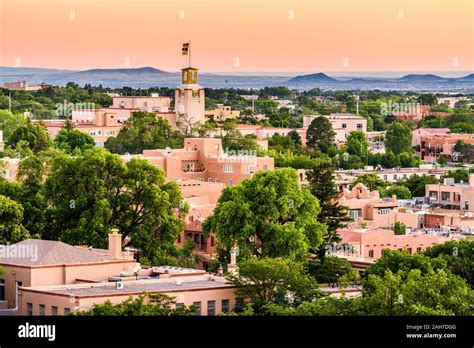
Snowfall in Santa Fe
Santa Fe sees around 22 inches of snow per year over a span of 36 days on average. The northern and central parts of the state will experience freezing temperatures and snowfall with the season running from November to March. Late December, there’s a dusting of snow downtown and inches of it gracing our Ski Santa Fe resort in the Sangre de Cristo Mountains, just 16 miles from the Plaza.
The City Different enjoys a semiarid climate with four distinct seasons that boasts bright blue skies and 320+ days of sunshine, as well as dramatic summer thunderstorms and mild winters with a fair share of snowstorms that blanket our local ski area.
If you're looking for more snow in New Mexico, the northern regions are the best place to go. The southern region of New Mexico is also likely to see snow but it's not enough to be considered a snowy part of the state as some areas may receive no snowfall at all.
These are the best places to experience snow in New Mexico:
Read also: Flagstaff in November: What to Expect
- Red River: Considered to be the snowiest place in New Mexico, enjoying 40 inches of snow over an average of 62 days per year.
- Taos Ski Valley: One of the best places to experience snow in New Mexico as you can enjoy a whole range of snow sports from November through to April.
- Ski Apache: Another ski resort that's well worth a visit if you love snow.
- Angel Fire: Another great destination to travel to during the snow season and also has its own ski resort that's open from December to March.
Seasonal Weather in Santa Fe
Santa Fe’s 7,000 feet of elevation keeps temperatures moderate with a high averaging 86° F in July to lows near 20° F in January. The average temperatures in winter can differ depending on the location but generally, winter is quite cold at around 40°F.
Late March, our aspens and cottonwoods start leafing and you’ll begin to see the cactus flowers bloom in reds, pinks, and yellows. As well, our fruit trees-plum, apricot, apple-blossom and the forsythia and lilacs join in for colorful and fragrant orchestral display along our sidewalks, in our parks, and throughout the Santa Fe River, generally rushing with snow runoff from the Sangre de Cristo Mountains.
Late June and our very busy summer months bring days that never end! Be prepared with a brimmed hat, a full water bottle, sunscreen, and a raincoat. While our semiarid climate and high elevation sun can be an adjustment, summer is our monsoon season and we can receive up to 6 inches of rain.
Late September, the aspens and cottonwoods are a glow everywhere you turn, so take advantage of the chance to hike one of our many trails or ride a Ski Santa Fe chairlift into the golden treescape.
Ski Santa Fe: Snow and Ski Conditions
Ski Santa Fe is located high above what has become one of the top visitor destinations in the nation, the historic and artistic town of Santa Fe. The resort has a wonderful range of terrain for all levels. From isolated beginner slopes, groomed cruisers, long bump runs and tree skiing, there is something for everyone. For those that are more experienced, the out-of-bound Big Tesuque run is a powder hound's delight that ends on a luge-like forested trail leading to the access road. The lodge is located 16 miles from Santa Fe and is easily accessible by car or by taking the Blue Bus shuttle.
Read also: Northstar Resort Welcomes Guests
Snowmaking Operations are underway. DO NOT CROSS EXPOSED SNOWMAKING LINES AT ANY TIME OR INTERFERE IN ANY WAY WITH SNOWMAKING OPERATIONS. Crossed bamboo sticks or similar markings may indicate a surface line, parallel vertical bamboo sticks or similar markings may indicate a snow-bridge over lines. ALWAYS USE CAUTION. NOT EVERYTHING IS OR CAN BE MARKED. We work diligently to give you the most accurate and up to date information. We update our snow report twice daily at 6:00 am and 4:30 pm when we get snow.
Santa Fe Mountain Ski Resort Review
Here's a summary of recent snow conditions at Ski Santa Fe:
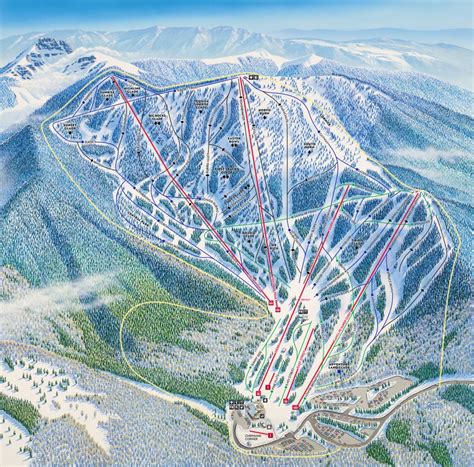
Ski Santa Fe Snow Report (Example)
Please note ski conditions and snowfall at Ski Santa Fe are sourced directly from the ski resort and are only recorded during the official ski season's opening to closing dates.
- Base Depth: 18"
- Lifts Open: 6 of 7
- Recent Snowfall (Last 24h): 4"
- Depth vs Average: 48% vs average of 38" on Dec 28
Tips for Visiting Santa Fe
Santa Fe has a very dry, high desert climate with intense sunlight. On average, the city experiences more than 300 sunny days per year. The highest temperatures in July and August are 80-90 °F with only 3-6 days per year with 90+°F highs. The Santa Fe rainy season is generally July through August when thunderstorms quickly come through in the afternoon. Santa Fe averages only 14 inches of rain annually.
Altitude: 7000 ft. above sea level. Some people may feel fatigue, unusual thirst, or even dizziness for a day or so. Be sure to drink lots of water, it helps greatly with altitude sickness. Alcoholic beverages will affect most people sooner. High Desert conditions cause limited water supplies.
Read also: When Does It Snow?
Here are some tips to make your visit more enjoyable:
- Seasonal events may affect hotel and/or restaurant availability and reservations should be made as far in advance as possible.
- Parking is difficult in the downtown area.
- Layered Clothing.
- Walking Shoes.
- Parking is a challenge in downtown Santa Fe.
- Sunscreen. High desert means closer to the sun.
- Hat/Visor/Sunglasses.
- Bathing Suit.
- Camera.
- Red or Green Chile (commonly served in restaurants) is HOT! Use caution when ordering New Mexican food, and perhaps try ordering your Chile on the side.
- Pueblos have very specific etiquette, and may close for holidays or ceremonies.