Are you planning to hit the slopes this winter? Investing in a good pair of snow pants is crucial to keep you warm and protected from the elements. Whether you are a seasoned skier or a beginner, this information will help you make an informed decision when choosing your next pair of fitted snow pants.
From the unique features that set them apart to understanding the different types of insulation, water resistance and breathability, we've got you covered. We will also discuss the importance of a good fit in snow pants, including comfort, mobility and optimum heat retention considerations.
Why You Should Choose Fitted Ski Pants
Fitted snow pants are an essential piece of winter outerwear for activities like skiing, snowboarding and winter hiking. A properly fitted pair will allow a free range of motion while keeping snow and moisture out. With the right fit and features, high-quality fitted snow pants will keep you comfortable and protected when playing in the snow so you can fully enjoy winter activities. Investing in snow pants designed specifically for your body type and winter pursuits will lead to the ultimate snow experience.
Unique Features of Fitted Snow Pants
When investing in the protection you need for winter sports, budget ski pants don't mean skimping on essential features. Fitted snow pants provide warmth and comfort and offer superior features to enhance your skiing experience, like shell pants, scuff guards and insulation.
Understanding Snow Pants Insulation
Insulation is one of the key features to consider before purchasing snow pants. Not all pants provide the same level of insulation. For example, insulated ski pants trap more heat compared to other styles. They contain an outer, protected layer, offering the warmth you need for cold conditions. On the other hand, simple insulated pants may lack the specialized design and components of insulated ski pants, leading to less heat retention.
Read also: Why Choose Custom Ski Boots?
Water Resistance in Fitted Snow Pants
Women's ski pants will have good insulation and supply excellent water resistance. This is especially crucial in wet conditions where snow can seep into the pants, making you uncomfortable or even leading to hypothermia. A quality ski bib or fitted snow pant uses a durable water-repellent (DWR) coating to prevent water from penetrating the shell.
Just like ski jackets, pants need proper waterproofing. Look for a rating in ‘mm’ - such as 10K, 15K, or 20K - to see how well they deal with wet conditions. A higher number means better protection against moisture. If you’re expecting wet or heavy snow conditions - or intend to be out all day - 20k is a solid number to go for. Prefer venturing into deep powder? More protection is always a safe bet. You might opt for something with a DWR (durable water repellent) treatment, too. This invisible coating helps repel water by preventing it from soaking into the fabric, increasing the material’s performance. Taped seams (critical or fully taped) also keep soggy conditions out. Fully taped seams are definitely worth considering if you plan to ski in all weather.
The Breathability of Snow Pants Material
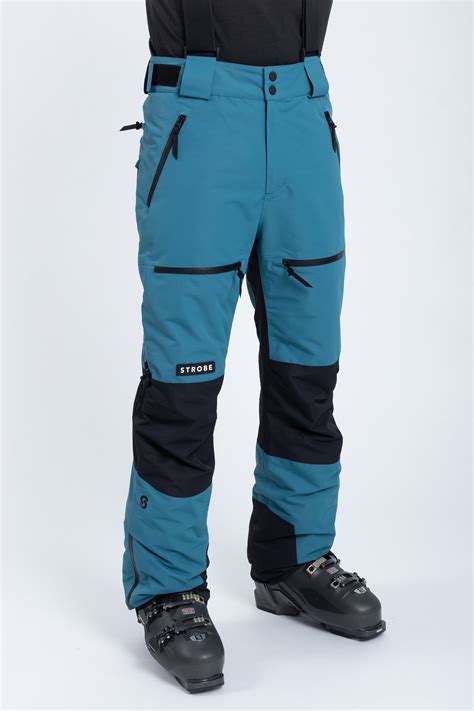
Breathability is often overlooked but is another vital feature. Using breathable materials like shell pants lets sweat evaporate, keeping you dry and comfortable. Remember, even the lowest-priced snow pants should offer adequate breathability.
Breathability pairs with waterproofing to regulate your comfort level, especially when working up a sweat. Breathability is often measured in g/m²/24h, indicating how much moisture can escape in a day. Do you run hot or love intense activities, such as ski touring? Pick pants with higher breathability - otherwise, you’ll end up wet from your own sweat. Mostly cruise groomers at a leisurely pace? A moderate breathability rating is enough. For mixing intense and cruisey days, a breathability rating of 20,000 g is plenty.
Read also: Ultimate Ski Trousers Guide
Key Features for Enhanced Performance
Beyond fabrics and fit, make sure your pants have the features to turn your day on the mountain into the best one ever. These include pockets to keep your essentials handy, vents to help you cool off on warm days, and suspenders or belts to let you dial in your waist fit.
- Zippered Side Pockets: Zippered side pockets give you a place to warm your hands or store small items you want to keep accessible. The zippers allow you to securely store items like lip balm, tissues, snacks, gloves, or a phone without worrying about falling out. Having pockets means you can keep necessities close at hand without opening up your coat or digging through a backpack.
- Adjustable Waist Tabs: Adjustable waist tabs or pull cords give you a customized fit and help seal out snow. This prevents snow from going down your backside. The flexible features let you tighten or loosen the waistband depending on your measurements and preferences. Getting the right fit around your waist prevents gaps where snow can sneak in. Keeping snow out of your pants ensures you stay dry and comfortable on the slopes or trails all day.
- Reinforcing Scuff Guards: Scuff guards or kick patches reinforce the inner ankles and bottoms to prevent wear and tear. This durability extends the life of your snow pants. The scuff guards protect high abrasion areas from damage from contact with ski edges, snowboard bindings, boots, crampons, or the ground. Adding extra material layers on the inner ankles and sitting areas allows the pants to last longer before showing signs of aging and use. Sturdy snow pants mean you get more years of wear before buying a replacement pair.
Some ski pants have a cargo pocket on the thigh for easy access, while others stick to zippered hip pockets. So, consider how you carry your essentials. Do you need a dedicated pocket for snacks or a pass? If you’re a minimalist, two good pockets might be enough. But if you’re forever hunting for a place to stash your stuff, pants with more pockets can save you from lugging a backpack or filling up your jacket.
Being able to moderate your temperature is a big plus for anyone who rides in changeable conditions or overheats. Vents - often hidden along the outer or inner thigh - let you quickly release warmth. If you’re slogging up a backcountry route or get hot on sunny spring days, unzipping vents helps cool you down fast. Insulated pants benefit from vents, too, since you can’t remove the insulation.
Some ski pants come with built-in suspenders or belt loops to achieve a snug, secure fit. Suspenders ensure your pants don’t slide down during the day, which can be handy for those who like a looser cut. Without them, loose pants may compromise movement or let snow in if you bail. Belts give you adjustability, too. However, choose one that won’t dig into your waist while riding.
Snow gaiters are elasticated cuffs at the bottom of each pant leg that fit over your boots. They keep snow out if you fall or head into fresh powder and save you from cold, soggy socks. Most gaiters come with a rubberized band and sometimes a hook to latch onto your laces (if you’re a snowboarder).
Read also: Finding the Right Fit: Perfect Moment Trousers
Cuffs often rub against skis, bindings, and boots, fraying over time. So, if you plan to ski hard and often, reinforced hems are a wise investment. Reinforced hems use tougher fabric or an extra patch to combat wear and tear. This patch keeps your pants looking better for longer and prevents small tears from becoming gaping holes.
The Importance of a Good Fit in Snow Pants
Whether you prefer a slim fit, ski bib, or classic fitted snow pants, finding the right fit is essential for optimal comfort and freedom of movement. The best women's ski pants will be snug enough to keep you warm but loose enough to allow a full range of motion.
Comfort and Mobility in Fitted Snow Pants
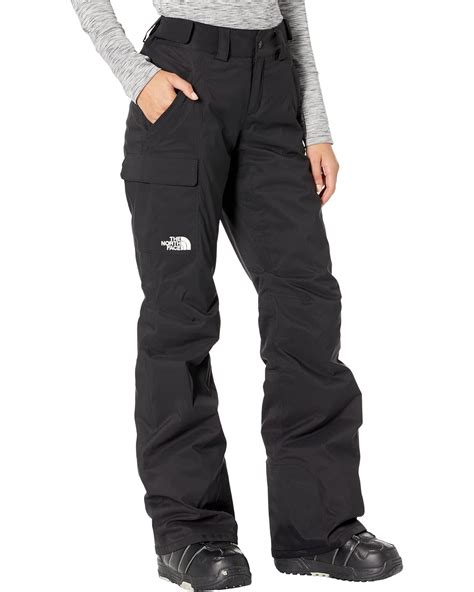
A well-fitted pair of women's ski pants is crucial for comfort and mobility on the slopes. The right fit allows you to move freely while staying warm and dry. When shopping for ski pants, look for specific design features that prioritize comfort and enhance range of motion.
For starters, seek out pants made with flexible, stretchy fabric blends that move with your body. Soft, moisture-wicking interior linings feel great against your skin and prevent overheating. Articulated knees are a must for maximizing leg bend and reducing restriction. The articulated pattern follows your knee's natural shape, preventing the fabric from bunching up as you crouch and lean.
Advanced skiers will appreciate a gusseted crotch, which adds an extra inset of fabric in the inner thigh area. This allows for a wider range of motion when taking big strides and high steps in deep snow. The gusset eliminates tight pulling across the crotch region when legs are splayed apart.
For the perfect custom fit, choose pants with an adjustable waist. Inner elastic tabs, removable belt loops and cinch systems allow you to tweak the waistband tension. This prevents gapping and slipping while accommodating for layering undershirts and mid-layers. Integrated stretch panels in the waistband allow flexibility and mobility in this crucial zone.
Warmth in Fitted Snow Pants
Proper insulation is crucial for retaining body heat and staying warm in frigid conditions. The right fit allows pants to maximize the insulating properties of their fill. Loose snow pants may sag and billow, opening gaps that let cold drafts reach the legs. This defeats the purpose of the insulation, as heat is rapidly lost through convection.
Tight pants compress insulation layers, reducing loft and warmth. The ideal fit hugs the body closely without squeezing - snug but not too tight. This allows insulation to expand and trap air while preventing cold penetration entirely. Pick pants with adjustable features to fine-tune fit for maximum warmth.
Weather Protection in Fitted Snow Pants
Snow pants must also provide a barrier against precipitation and moisture-a good fit seals the elements to keep you dry. Loose pants can allow snow entry through the waist, ankles, or other openings. Snow inside pants quickly melt from body heat, soaking layers and sapping warmth through convection and evaporation.
Excess material may also catch and hold more snow. Overly tight pants put stress on closures and pull at seams. This can open small gaps that let in snow and water. The ideal fit is trim but not constricting - close enough to seal out moisture without creating gaps in the material. Adjustable waists, ankles and leg openings allow tweaking for the best defense against wetness. Quality snow pants lock out external moisture and wetness with the right fit dialed in.
Safety in Fitted Snow Pants
Getting the right fit is crucial for safety. Pants that are too tight can restrict movement, while overly loose pants can catch on branches or allow snow to get in. Layer properly underneath with long underwear and mid-layers to avoid getting too cold or overheating.
Look for snow pants with reinforced knees and seats to prevent tears and abrasions when kneeling in snow or sliding on ice. This extra durability can avoid dangerous exposure to the elements.
Durability in Fitted Snow Pants
Properly fitted snow pants are essential for longevity and durability during winter activities. Too tight pants place excessive stress on the seams and fabric, leading to premature wear and tear. The constant pulling and friction can cause the seams to rip or come undone. Oversized pants aren't ideal, either. The excess fabric will likely catch on tree branches, ski edges and other equipment. This increases the chances of rips, tears and snags developing in the pants.
For maximum durability, snow pants should be comfortably fitted with enough room to layer underneath without restricting movement. This reduces force and abrasion on the pants during use. The ideal fit allows you to crouch, stretch and reach without restriction or pulling. This takes the stress off the seams and fabric for extended wear.
Properly fitted pants also distribute force evenly rather than focusing it in certain spots. This prevents localized weak points and damage over time. In summary, take the time to find snow pants with the right tailored fit for your body type and intended activities. This small effort will pay off with pants that hold up for many seasons of winter adventures.
Aesthetics in Fitted Snow Pants
A properly fitting pair of snow pants is functional and flatters your body's natural lines for an attractive look. Snow pants that are too loose appear sloppy and exaggerated. The excess volume and bagginess are unflattering. Pants that are too tight look restrictive in movement and uncomfortable.
However, fitted snow pants follow your natural proportions for a tailored appearance. The fabric lays smoothly against your frame without bunching or sagging. This creates a streamlined silhouette when worn. Properly fitted pants also avoid a boxy shapeless appearance. The pant legs wrap cleanly around your calves rather than falling shapelessly over ski boots. This defines your proportions for a polished, put-together aesthetic.
Additionally, ideal-fitting snow pants move with your body naturally without restriction. This enhances your performance on the slopes while maintaining a comfortable, flattering look. In summary, snow pants with an ideal tailored fit enhance both function and style. Finding properly fitted pants that allow free natural movement will keep you looking great on the bunny slope or the black diamonds.
Optimum Heat Retention of Fitted Snow Pants
Achieving the ideal fit is crucial for maximum heat retention in snow pants. The goal is to strike the right balance - not too loose and not too tight. Loosely fitted snow pants can allow cold drafts to penetrate inside the garment. Excess material billowing out creates gaps where heat escapes and chill air creeps in. This defeats the purpose of insulation, as you lose the barrier of warm air surrounding your body.
On the other hand, overtight snow pants restrict blood circulation and compress the insulation. This reduces the loft and warmth of the insulating down, PrimaLoft, or Thinsulate. Compressed insulation loses its ability to trap heat efficiently. Restricted blood flow also leads to faster loss of body heat.
The optimal snow pants fit closely against your skin without constricting. Look for pants with adjustable waist, articulated knees and cuff adjustments to dial in the ideal tapered fit. The fabric should not pull or sag anywhere. High-quality, waterproof-breathable fabrics like Gore-Tex also enhance heat retention. They prevent exterior moisture while allowing interior perspiration to escape. This maintains the insulating layer of dry air next to your skin.
Fabrics and Materials: Key to Performance
With ski pants, fabric and material can make or break your day on the slopes. Most modern pants use polyester or nylon - both super-tough performance fabrics. These performance fabrics often include three elements: a bonded waterproof membrane to keep external moisture out, reliable breathability to ensure sweat doesn’t build up, and insulation to provide warmth in chilly conditions. By checking these three basics, you’ll find pants that balance dryness, ventilation, and comfort. So, let’s take a closer look.
Style and Fit
Style and fit go hand in hand when choosing ski pants. Whether you opt for a bib design or classic pants, you want to feel secure yet free to move. Remember, you can also select insulated pants, which offer built-in warmth. Alternatively, shell pants rely on layering to handle temperature swings. With the right style, you look good, feel good, and ride with total confidence.
Bib Pants vs. Classic Pants
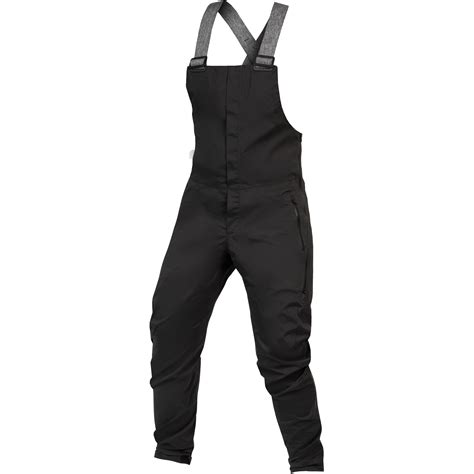
Bib pants come with an upper section that covers your torso, secured by suspenders. Bibs offer extra coverage, so snow can’t sneak in if you take a tumble or venture off-piste. Some riders love the secure feel and added warmth of bibs. Others, though, prefer the simplicity of classic pants without the extra material. If you’re a powder hound who doesn’t mind a little extra coverage, bibs might be your dream come true. If minimal bulk is your priority, classic pants still reign supreme.
Insulated Pants
Insulated pants are an awesome choice for skiers who frequently ride in colder conditions or don’t want to fuss with too many layers. Think of them like a cozy cushion against icy chairlifts and gusty summits. Okay, insulated pants are less adaptable. For example, once you’re hot, you can’t strip out the insulation. However, for regular in-bounds riding where the temperature rarely swings dramatically - or if you tend to feel the cold - these pants make life easier.
Shell Pants
Shell pants are all about versatility. They skip heavy insulation, leaving the warmth choices down to you and your layering system. On a milder day or spring session, you might wear a thin base layer underneath. When temps drop, add thicker thermals or fleece tights. Shell pants are also lighter and more flexible, making them popular for touring or aggressive riding styles where mobility matters. They can also handle almost any condition. If you’re a pro at fine-tuning your layers, shell pants are the way to go.
Layering Clothing for Skiing and Snowboarding
Dressing in layers helps you stay comfortable outside since you can add and remove layers as the weather changes. Skiing and snowboarding also combines stints of activity, like skinning uphill or skiing bumps, with less active periods, like standing in a lift line.
“Having the right set of gear makes a big difference,” says Allen. “If you’re not comfortable, you’re not going to enjoy yourself as much.” You’ll typically want a base layer, mid layer and outer layer any time you hit the slopes. Here’s what each layer offers.
- Base Layer: Also known as long underwear or thermal underwear, your base layer (usually a thin top and pants) helps wick sweat away from your skin. The REI experts we spoke with love merino wool base layers for their lightweight, wicking, and odor-resistant properties.
- Mid Layer: This insulating layer helps you retain body heat and protects you from the cold. On a warm day, you can remove the mid layer and stuff it in your pack or a locker at the lodge. A mid layer can be a lightweight fleece pullover, a puffy vest or a lightweight wool sweater.
- Outer Layer: Your jacket or shell shields you from wind, rain and snow. Pick an insulated jacket if you want waterproof protection and added warmth. Pick a shell if you want more layering versatility.
Decathlon UK Advice: How to choose your ski pants...
Frequently Asked Questions
How do I care for my fitted snow pants?
Follow the manufacturer's care instructions. Most fitted snow pants are machine washable. Use a gentle detergent and wash on cold. Tumble dry low or hang to dry. Do not use fabric softeners or bleach. Touch up water repellency treatments as needed. Avoid exposure to direct high heat.
Can I wear fitted snow pants for activities beyond snow sports?
Yes, fitted snow pants work well for many cold-weather activities like winter hiking, camping, sledding and more. Their slim fit layers well under other garments. Just make sure to choose a pair made of a softshell or stretchy material for greater mobility.
What base layers work best with fitted snow pants?
Wool or synthetic moisture-wicking base layer pants help regulate body temperature and keep you dry when wearing fitted snow pants.