Are you planning a winter adventure on the slopes? Staying warm is essential for enjoying your time in the snow. Knowing what to wear in snow and pack is very important. Thermal ski clothes are essential for your winter adventures as they provide the necessary protection and insulation to keep you warm and comfortable in colder temperatures.
In this article, we will guide you on how to stay warm with thermal ski clothes. From understanding the importance of layering in cold weather to choosing the right thermal ski clothes for your needs, we will cover everything you need to know. Let's dive into the world of thermal ski clothes and discover how they can keep you warm during your winter adventures.
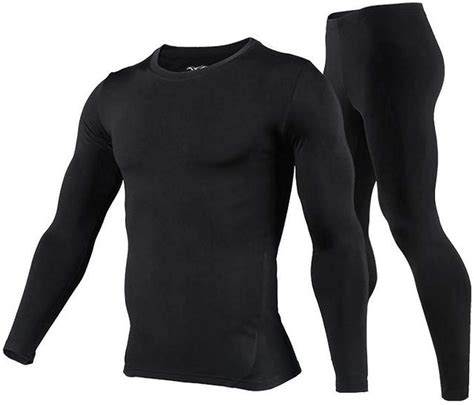
Why Thermal Ski Clothes are Essential
These specially designed garments are made with advanced materials and technologies that offer numerous benefits for skiing and other winter activities. Here are the key reasons why thermal ski clothes are a must-have for your winter adventures:
- Insulation: Thermal ski clothes are designed to trap and retain body heat, keeping you warm even in freezing temperatures.
- Breathability: These clothes are made with breathable fabrics that allow moisture to escape, preventing you from getting sweaty and uncomfortable during physical activities.
- Waterproofing: Thermal ski clothes often come with waterproof or water-resistant features, protecting you from snow, sleet, and wet conditions.
- Windproofing: Many ski garments have windproof properties, shielding you from strong winds that can chill your body and affect your performance.
- Flexibility and mobility: Thermal ski clothes are designed to offer a balance between insulation and flexibility, allowing you to move freely and comfortably on the slopes.
- Layering: Thermal ski clothes can be easily layered, enabling you to add or remove garments as the weather conditions change throughout the day.
- Durability: These clothes are made to withstand the demands of winter sports and activities, ensuring they will last for multiple seasons.
- Pockets and Features: Thermal ski clothes often come equipped with multiple pockets and convenient features such as adjustable hoods, wrist gaiters and goggle pockets for added functionality and convenience.
- Safety features: Some thermal ski clothes also incorporate reflective elements or bright colors to enhance slope visibility and safety.
The Importance of Layering in Cold Weather
Layering is an essential technique for staying warm and comfortable in cold weather. By wearing multiple layers of clothing, you can trap and retain heat, regulate your body temperature, and protect yourself from harsh elements. Here are some key points on the importance of layering in cold weather:
- Layering allows for better insulation by creating pockets of air between each layer. Air is a poor conductor of heat, so these pockets help to retain body heat and keep you warm.
- Layering provides extra protection against wind and precipitation. The outer layers act as a barrier against cold winds, while a waterproof shell layer helps to repel rain, snow, or sleet.
- Wearing multiple layers provides the flexibility to adjust your clothing as needed. You can easily add or remove layers to regulate your body temperature, depending on the intensity of the cold or your activity level.
- Layering helps to manage moisture and perspiration. The innermost layer, often made of moisture-wicking material, helps to move sweat away from your skin and keep you dry. This prevents the accumulation of moisture, which can make you feel colder.
- Different layers serve different functions. The base layer should be thin and lightweight, providing insulation and moisture-wicking properties. The mid-layer is a thicker and more insulating layer to trap warmth. The outer layer is usually a waterproof or windproof shell to protect you from the cold elements.
- Layering allows for versatility in different weather conditions. Adding or removing layers allows you to adapt to changing temperatures and stay comfortable throughout the day.
- Layering also allows for better mobility and comfort. Instead of wearing one thick and bulky garment, layering with thinner clothing pieces allows for a greater range of motion and flexibility.
- Proper layering can help prevent hypothermia and frostbite. Layering helps to retain body heat and protect extremities, such as hands and feet, which are more susceptible to cold-related injuries.
Features to Look for in Thermal Ski Clothes
Here are some features to consider when choosing thermal ski clothes:
Read also: Performance Analysis: Black Diamond Ski Pants
- Insulation and Breathability: The best thermal ski clothes offer an optimal balance between insulation and breathability. Merino wool is an excellent material for base layers with this balance. Synthetic materials found in snowboard pants and jackets can help maintain this, offering insulation while allowing your body to ventilate properly.
- Waterproof and Windproof Materials: Skiing or snowboarding can expose you to a range of weather conditions. Waterproofing and windproofing are key. Look for water-resistant clothing, such as snowboard jackets, snow boots, and gloves, with a DWR (Durable Water Repellent) treatment.
- Durability and Reinforced Seams: Your thermal ski clothes must be durable. Reinforced seams in areas of movement like the knees and elbows in snowboard pants and jackets ensure your gear will last many seasons. Quality merino wool for base layers, reliable zips, and resilient materials like Gore-Tex go a long way toward the durability of your winter gear.
Different Types of Thermal Ski Clothes: From Base Layers to Outerwear
Whether you're a seasoned ski bum or a wide-eyed beginner, these clothing items are crucial in keeping you warm and dry on your invigorating slopeside adventure.
Thermal Base Layers
Thermal base layers, also known as base layer bottoms and long-sleeved tops, are meant to keep you dry and comfortable in cold conditions. They create the first line of contact between your skin and the biting cold mountain air. Many consider merino wool as the top choice for material due to its natural moisture-wicking and thermal-regulating properties. It ensures base layers stay lightweight and warm even when soaked in sweat.
Insulated Ski Jackets
The next ski clothing piece to consider is insulated ski jackets, snowboard jackets, or rash guards for some warmer climate cases. It's essential to look for jackets that are not only warm but also water resistant. This way, they keep the moisture out and ensure you remain cozy even on particularly damp or snowy days.
Ski Pants and Bibs
Ski pants, snowboard pants, or bibs are your lower body's armor against the cold conditions. A good pair should be able to keep you insulated, shield you from wind and snow, and be comfortable enough for you to move around freely.
Tips for Choosing the Right Thermal Ski Clothes
Choosing ski clothes might appear straightforward, but truth be told, there is an art to it. Here are some tips to set you on the right path.
Read also: Gerry Youth Snow Pants: A Winter Essential
- Know Your Activity Level: The kind of ski clothes you need hinges heavily on your activity level. If you plan on doing intense activities such as downhill skiing or snowboarding, go for lightweight base layers and a fitted jacket that allow for a good range of motion. However, if more relaxed activities are on your agenda, such as leisurely skiing or sipping hot chocolate by the fire, consider getting thicker base layers and a warm parka.
- Consider the Climate: It's key to dress according to the climate. Some areas are extremely cold but dry, wherein a focus on insulation is vital, while others can be wet and windy, requiring water-resistant clothing. Put in the legwork to know the climate of the area you're heading toâeven take note of the weather on your ski daysâto correctly dress for the conditions.
- Check the Fit and Size: Fit and size are paramount. Ski clothes that are too tight hinder movement and those too loose let in cold air. It's ideal to have enough room for layers but without the bulk. With elements such as snow boots and half-zip fleece, adjusting sizes accordingly makes for optimal comfort and performance on the slopes.
How to Care for Thermal Ski Clothes
Before you jump into the action, it's essential to ensure that your thermal ski clothes are well taken care of. After all, these high-performance garments keep you warm and cozy and play a crucial role in enhancing your overall skiing experience.
Proper Washing and Drying Techniques
When your cardio goes into overdrive, sweating in the snowboard pants happens. But worry not because we've got you covered. Like lightweight base layers, base layer bottoms also need the right washing and drying methods.
Always check the care label first. Most thermal ski clothes, including rash guards, can be machine washed in cold water on a gentle cycle. Refrain from using fabric softeners or bleach, as this can damage the water-resistant qualities of your snowboard jackets and other gear.
As for drying, air dry your clothes as much as possible instead of using a dryer. The heat from the dryer might compromise the water-resistant finish on some items like your beloved snow boots.
Storing and Maintaining Thermal Ski Clothes
Upon returning from your ski trip, store your thermal clothes properly. It helps extend their life and ensures theyâre ready for your next adventure. Clean your long-sleeved tops, half-zip fleece and other articles and store them in a cool, dry place. Be sure to lay them flat â this prevents stretching, which can ruin the clothes' shape.
Read also: Snow pants: What to look for
For items like base layers and Merino wool clothes, not wearing them repeatedly without washing them can help maintain their quality. Washing them too often can wear them out, but leaving them sweaty can cause a build-up of bacteria and bad odors.
Repairing and Replacing Damaged Gear
No matter how well you care for your ski clothes, wear and tear are unavoidable. When you notice minor damages like small holes or loose seams, repair them before they get worse. Many items, like snowboard pants and jackets, come with patch kits for small repairs.
When you spot major damage that you can't fix, it might be time to replace the item. Often, items like base layer bottoms or neck gaiters are less expensive to replace than to repair. Being proactive about these repairs and replacements can save you from a chilly experience on the slopes next time.
Benefits of Choosing the Right Clothes for Skiing
Choosing the right clothes for skiing is essential for a comfortable and enjoyable experience on the slopes. Proper attire helps keep you warm, dry, and protected from the elements. It also allows for freedom of movement and enhances your performance. Here are the benefits of choosing the right clothes for skiing:
- Warmth: Insulated and moisture-wicking layers help retain body heat, keeping you warm even in extreme cold temperatures.
- Waterproofness: Outer layers made of waterproof and breathable materials prevent moisture from seeping in, keeping you dry and preventing hypothermia.
- Windproofness: Windproof clothing protects you from chilling winds, reducing the risk of windburn and frostbite.
- Breathability: Breathable fabrics allow moisture and sweat to evaporate, preventing overheating and discomfort.
- Flexibility: Clothes made with stretchy and lightweight materials provide freedom of movement, improving your flexibility and agility on the slopes.
- Protection: Reinforced areas on pants and jackets protect you from falls and abrasions, reducing the risk of injury.
- Insulation: Insulated layers help regulate body temperature by trapping warm air and preventing cold air from penetrating.
- Layering: Adding or removing layers depending on weather conditions allows for temperature control and comfort throughout the day.
- Visibility: Choosing brightly colored or high-visibility clothing ensures you are easily visible to other skiers and helps with safety on the slopes.
- Durability: Quality ski clothing is designed to withstand the demands of skiing and last for multiple seasons, providing long-term value.
What Happens if You Are Not Dressed Properly for Skiing
When you go skiing, it is important to dress properly in order to stay comfortable and safe on the slopes. Failing to dress appropriately can result in a number of negative consequences that can detract from your skiing experience. Here are some potential outcomes if you are not dressed properly for skiing:
- Cold and discomfort: If you are not dressed warmly enough, you will likely feel cold and uncomfortable during your skiing session. This can make it difficult to focus on your skiing and enjoy the activity fully.
- Hypothermia: In extreme cases, inadequate clothing can lead to hypothermia, which is a potentially life-threatening condition. Cold temperatures combined with wet clothes can cause your body temperature to drop dangerously low.
- Greater susceptibility to injuries: Poor clothing choices can increase your risk of injuries while skiing. For example, if you are not wearing proper thermal layers and insulation, you may be more prone to muscle strains or sprains. Additionally, if you are not wearing appropriate gloves or hats, you are more likely to suffer from frostbite or other cold-related injuries.
- Reduced mobility and agility: Wearing inappropriate clothing, such as tight or restrictive items, can limit your range of motion and decrease your ability to move freely on the slopes. This can affect your balance, control, and overall performance while skiing.
- Impaired visibility: Failing to wear proper eyewear can result in reduced visibility, especially in bright or snowy conditions. This can make it difficult to see the terrain ahead and avoid potential hazards.