When you think of the best hockey players, you might picture explosive speed, quick decision-making, deceptive stick-handling, accurate shooting, and crisp passing. But beneath all that hockey-specific skill lies a broader foundation: athleticism. Youth sports are a cornerstone of child development, offering more than just physical activity.
Among these sports, hockey stands out not only for its fast pace and excitement but also for its ability to cultivate life skills that benefit young players off the ice. Let's dive into how this sport does wonders beyond the rink.
The Importance of Athleticism in Hockey
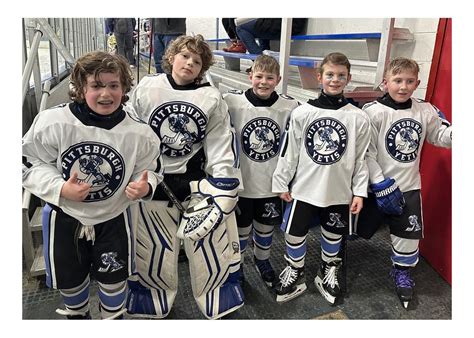
Athleticism is the base that supports all hockey skills. It includes strength, speed, agility, coordination, balance, flexibility, and spatial awareness. The average NHL player began skating and playing hockey after the age of four, and they did not specialize in hockey until after the age of 14. This proves that early sport specialization is not the best path forward.
Instead of jumping straight into spring leagues and early hockey camps, below are some complementary summer activities that develop critical athletic traits. Parents, players and coaches should know that most of these activities can be played with friends or family members and you do not need to be enrolled in an organized league to get the benefits of playing different sports during the summer.
Complementary Summer Activities for Hockey Players
It might seem counterintuitive, but more hockey doesn’t always lead to better hockey players. In fact, year-round hockey can actually slow a player’s long-term development - physically, mentally, and even emotionally. Constant practices, camps, and pressure to perform can lead to mental fatigue and emotional burnout, especially in younger players. Playing other sports builds balance, agility, and coordination in new ways that actually enhance hockey performance.
Read also: Finding Your Perfect Hockey Jersey
Here are some activities that can help develop critical athletic traits:
- Soccer: Boosts conditioning, footwork, spatial awareness, and decision-making under pressure. Builds leg strength and improves agility.
- Lacrosse: Enhances hand-eye coordination and stickhandling skills in a new way. Great for conditioning and teaches players how to move in tight spaces, just like in hockey.
- Basketball: Builds agility, quick changes of direction, and anticipation. Encourages communication and awareness on both offense and defense.
- Baseball/Softball: Sharpens reaction time, lateral movement, and hand-eye coordination.
- Sprinting: Improves explosive power and speed.
- Yoga: Great for core strength, body control, flexibility, and discipline.
- Football: Builds explosive speed, agility, and physical resilience through sprinting and directional changes. Sharpens communication, teamwork, and spatial awareness, which are all vital for structured team play.
- Tennis/Badminton: Improves hand-eye coordination, reaction time, and tracking skills, all essential for puck handling and reading the play.
- Martial Arts: Enhances mental focus, patience, and emotional control under pressure.
Don’t overlook the value of unstructured play during the summer, beach volleyball, ball hockey, backyard sports, swimming, biking, hiking, kayaking or just running around with friends can all contribute to athletic development in a low-stress way.
The Importance of Sport Performance Training for Youth Hockey
Sport performance training for hockey can be a critical to youth success. Hockey is often described as the fastest game on ice. It is a demanding sport that requires a unique blend of skill, speed, power, and agility. As youth players strive to achieve their potential in this sport, the significance of sport performance training cannot be overlooked. This form of training aids in the overall development of young athletes, preparing them physically and mentally for the challenges of the game.
Here are several reasons why sport performance training is crucial for youth hockey players:
1. Physical Development
Hockey is physically taxing. Players dash across the ice, battle for puck possession, and jostle with opponents, all while skillfully handling the puck. Sport performance training:
Read also: Features of Custom Hockey Gloves
- Strengthens muscles: Core strength, leg power, and upper body strength are pivotal in delivering powerful shots, fending off opponents, and maintaining balance on the ice.
- Enhances agility and speed: Quick direction changes, rapid acceleration, and maintaining high speeds are integral in hockey. Performance training can help hone these attributes.
- Boosts endurance: Hockey may be a game of short, intense bursts of activity, but stamina is crucial. Conditioning workouts can improve a player’s aerobic and anaerobic capacities.
2. Injury Prevention
One of the most significant benefits of performance training is its role in injury prevention.
- Improved muscular balance: By focusing on strengthening all muscle groups, players can reduce the risk of muscle imbalances, which are often a leading cause of injury.
- Better joint stability: Strengthening exercises, especially those that target the stabilizer muscles, help protect joints from sudden twists and impacts.
- Enhanced flexibility: Stretching and flexibility exercises reduce the risk of muscle strains and ligament injuries.
3. Skill Enhancement
While on-ice practices and drills are essential for skill development, off-ice sport performance training can further hone these skills. For instance:
- Hand-eye coordination: Drills using reaction balls or specialized equipment can help improve a player’s ability to track and control the puck.
- Balance and stability: Exercises such as single-leg squats or balance board routines can enhance a player’s ability to remain upright in challenging on-ice situations.
4. Mental Toughness
Sport performance training is not just about the body; it’s about the mind, too.
- Building resilience: Pushing through tough workouts helps players develop the grit they need to face challenging game situations.
- Boosting confidence: As players see improvements in their strength, speed, and agility, they often feel more confident in their abilities on the ice.
- Enhancing focus: Discipline in training can translate to increased concentration during games.
5. Lifelong Fitness Habits
Instilling the value of regular training and fitness in young athletes can set them up for a lifetime of healthy habits. Even if they don’t pursue hockey professionally, the training regimen can influence their approach to personal fitness in the future.
More time on the ice doesn’t always mean more progress. The offseason is a golden opportunity to build the athleticism, mindset, and passion that fuel elite hockey performance. So this summer, swap the ice time for some other activities.
Read also: The story of Craig Needham
Explosive Hockey Speed Drills | Develop Faster First Steps with these 9 Drills!
Benefits of Playing Junior Hockey
Playing junior hockey can provide numerous benefits for aspiring hockey players who are looking to improve their skills and eventually move on to play at the collegiate level. Junior hockey offers players the opportunity to receive high-quality coaching and training, which can greatly enhance their skills. Coaches in junior hockey programs are often experienced and knowledgeable in the game, providing valuable insights and guidance to help players refine their techniques.
Players can focus on specific areas of their game that need improvement, such as shooting accuracy, puck handling, or defensive positioning, and work closely with coaches to develop and fine-tune these skills, ultimately becoming more well-rounded players.
| Benefit | Description |
|---|---|
| Skill Development | High-quality coaching and training to enhance hockey skills. |
| Intense Competition | Regularly facing talented opponents, fostering resilience and mental toughness. |
| Exposure to Scouts | Junior hockey leagues are widely scouted by collegiate and professional teams. |
| Cultural Experiences | Traveling to different cities and countries, broadening perspectives. |
| Life Skills | Learning time management, responsibility, and independence. |
| Financial Assistance | Potential scholarships, stipends, or accommodations to alleviate financial burden. |
Intense Competition
The intense competition in junior hockey forces players to continually push themselves and improve their performance. Junior hockey leagues feature a high level of competition, with players facing off against talented opponents on a regular basis. This level of competition challenges players to elevate their game and perform at their best consistently.
The competitive atmosphere helps players develop resilience, mental toughness, and the ability to perform under pressure. They learn to thrive in intense game situations and remain focused and composed even in challenging circumstances. Players have the chance to test themselves against top-level talent, which can accelerate their growth and prepare them for the challenges of collegiate or professional hockey.
Exposure to Scouts
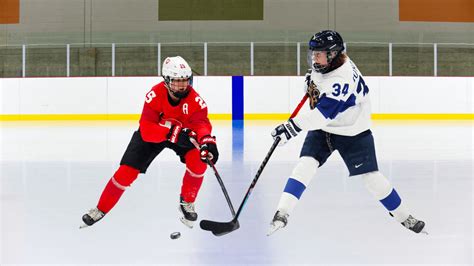
Junior hockey leagues are widely scouted by collegiate and professional teams, providing players with valuable exposure. Scouts regularly attend junior hockey games and tournaments to identify talented players who may be suitable for their programs or organizations. By performing well in junior hockey, players increase their chances of receiving scholarship offers or being drafted by professional teams.
Impressive performances in junior hockey can catch the attention of scouts and recruiters, opening doors to further opportunities in the sport. Junior hockey also provides players with the chance to participate in showcase events or tournaments where multiple scouts and recruiters gather to evaluate talent.
Cultural Experiences
Junior hockey often involves traveling to different cities, regions, or even countries, allowing players to experience diverse environments. This exposure to different locations offers players a unique opportunity to immerse themselves in different hockey cultures and gain a broader perspective on the game. Traveling provides players with the opportunity to interact with different cultures and meet people from various backgrounds, fostering personal growth and broadening their horizons. It enables them to develop a global mindset and appreciate the richness and diversity of the hockey community. Experiencing different playing styles and hockey traditions in various regions can enhance players’ overall understanding of the game.
Life Skills
Playing junior hockey requires players to manage their time effectively, as they balance rigorous training schedules, games, and academics. They learn the importance of prioritization, organization, and discipline to meet their responsibilities both on and off the ice. Players learn responsibility by juggling their commitments to the team and their education. They develop a strong work ethic and accountability, understanding that their actions and dedication directly impact their performance and the success of their team. Adapting to new environments, such as living away from home, fosters independence and self-reliance in players.
Financial Assistance
Junior hockey teams often provide financial assistance, such as scholarships, stipends, or accommodations, which can alleviate the financial burden for players and their families. This support enables players to pursue their hockey dreams while minimizing the financial strain. Compared to the cost of attending college, playing junior hockey can be a more affordable option while still offering the potential to advance to the collegiate level.
How Hockey Enhances Academic Success
When the final bell rings and the classrooms empty, it’s not just about heading home or hanging out with friends for many teens. It’s about grabbing their hockey sticks and hitting the ice. Yes, hockey - the fast-paced, adrenaline-pumping sport known for its physicality and precision. But it’s more than just a game for these young athletes. Hockey is a masterclass in life skills and academic enhancement, shaping teens into better students and individuals.
Here's how hockey enhances academic success:
- Time Management: Juggling schoolwork with practice sessions, games, and travel for tournaments teaches teens how to manage their time efficiently. They learn the art of prioritizing tasks and setting schedules. This discipline spills over into their academic life, enabling them to handle school assignments, projects, and exams more easily. It develops a mindful approach to studying.
- Improved Cognitive Function: The rigorous physical activity boosts brain function. It improves concentration, sharpens focus, and enhances memory - all crucial elements for academic success. Regular exercise, such as playing hockey, increases blood flow to the brain, which is linked to improved cognitive abilities. Moreover, the strategic nature of the game enhances problem-solving skills, a trait that’s invaluable both in the classroom and in life.
- Discipline and Self-Control: Players adhere to rigorous training schedules, follow strict dietary plans, and maintain a lifestyle that supports their athletic pursuits. This discipline translates into their academic lives. Teens who play hockey are likelier to be disciplined in their study habits, showing consistency in their efforts and maintaining a focused approach to their education. The self-control learned through sports also helps in managing stress and anxiety, often a byproduct of academic pressures.
- Resilience and Perseverance: Not every game ends in victory, and that’s a valuable lesson hockey imparts. Teens learn to deal with disappointments and setbacks, a reality in sports and academics. Hockey teaches them resilience the ability to bounce back from failures and strive for success. This resilience is crucial in their studies, helping them tackle challenging subjects, endure tough exams, and manage academic pressures. The grit and perseverance learned on the ice become invaluable tools in their educational journey.
- Teamwork and Collaboration: Hockey is a team sport. It teaches teens the importance of working collaboratively, a vital skill in group projects and the workforce. On the ice, players learn to communicate effectively, trust their teammates, and understand the power of collective effort. These social skills are directly transferable to academic settings, where teamwork often differentiates between success and failure. Furthermore, hockey helps build a network of peers and mentors worldwide, which can benefit personal and professional growth. This game is a great tool for overcoming the language barrier for hockey players from different parts of the world.
- Leadership Skills: Hockey not only teaches teamwork but also cultivates leadership skills. Players often find themselves in situations where they must lead by example, make quick decisions, and take responsibility for their actions. These experiences mold them into confident individuals who can take charge, a trait that’s highly beneficial in group projects and leadership roles in school. The sense of responsibility and accountability learned through hockey empowers teens to take ownership of their academic pursuits and life decisions.
- Boosted Confidence: Participating in sports like hockey significantly boosts self-esteem and confidence. The sense of achievement from scoring a goal, winning a game, or improving skills can be incredibly uplifting. This confidence spills into the classroom, where teens feel more empowered to participate, ask questions, and take on challenges. A confident student is more likely to take risks, engage in learning, and strive for academic excellence.
Hockey is more than a sport; it’s a training ground for life. It equips teens with the skills, discipline, and attitudes necessary to excel in their studies and beyond. As they glide across the ice, they’re not just chasing a puck but building a foundation for academic success and personal growth. So, when school’s out and the pucks are in, these young athletes score goals on the ice and pursue their studies and life. Hockey is not just about winning games; it’s about winning at the game of life.