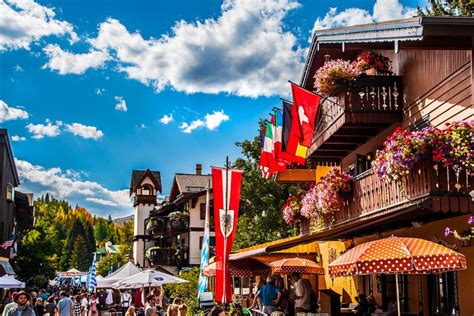
Nestled in the heart of Vail, Colorado, the Vail Farmers’ Market & Art Show is an enchanting event that captures the essence of this beautiful mountain town. The Vail Farmers’ Market & Art Show has been a cornerstone of the community for over two decades. What began as a small gathering of local vendors has blossomed into a grand event featuring over 148 tents.
Each tent tells a story, showcasing the dedication and craftsmanship of local artisans, farmers, and chefs. Food lovers will find themselves in a paradise of flavors at the Vail Farmers’ Market. The market boasts an array of fresh produce, homemade baked goods, artisanal cheeses, and gourmet treats.
In addition to culinary delights, the market is a treasure trove of handmade crafts and art. Visitors can explore unique jewelry, stunning paintings, and intricate woodwork, all created by talented local artists. The Vail Farmers’ Market is a family-friendly event, offering activities and entertainment for all ages. Live music performances provide a lively backdrop as you stroll through the market, creating a festive atmosphere.
In an exciting expansion, the Vail Farmers’ Market introduces the Thursday Meadow Market. Running from June 20th to September 19th, from 4 PM to 7 PM, this midweek market offers an additional opportunity for visitors to enjoy the market’s offerings. Visiting the Vail Farmers’ Market is easy and convenient. Parking is available at the Vail Village Parking or Lionshead Parking, both of which are within walking distance of the market. After a day of exploring the market, unwind at La Tour Restaurant & Bar. Located just a short walk from the market, La Tour offers an exquisite dining experience with its exceptional French cuisine. Treat yourself to limited time happy hour or an elegant dinner.
The Vail Farmers’ Market & Art Show is more than just a market; it’s a celebration of the Vail lifestyle. It’s about connecting with the community, supporting local businesses, and enjoying the natural beauty of the mountains. For more information and to plan your visit, check out the Vail Farmers’ Market & Art Show. Don’t miss the opportunity to be a part of this beloved community event and experience the best that Vail has to offer.
Read also: Analyzing Vail Resorts' Performance
The Early Days of Vail
Located 150 km, or 100 miles, west of Denver, Vail stretches across some 7 miles through the Gore Creek valley in the Gore and Sawatch mountain ranges. The town was established back in 1962 and is the largest ski resort in the state of Colorado. Its founders Peter Seibert and Earl Eaton, along with other investors, purchased the lands and turned them into one of the most gorgeous places across the globe we know today.
Alpine Village Design
Vail was designed in the style of a quaint Alpine village. There is a total of 15 square miles of skiable terrain on Vail Mountain, which is why it is the largest ski resort in North America. Vail is home to the Colorado Ski Museum/Ski Hall of Fame and was host to the 1999 World Alpine Ski Championships. The museum boasts documents and artefacts correlated to the sport.
According to data from 2021, the area has a population of 4,735. Just to compare, in 2000, there were a total of 4,531 Vail citizens. If you’re planning a trip to Vail, be sure to check out our article on the best ski resorts in Vail, Colorado. And for the ultimate retreat experience, consider booking our limo transportation service in Vail. We provide reliable and luxurious transportation to and from the resort, allowing you to sit back, relax, and enjoy the stunning mountain views.
Before people settled in the area, Vail was first inhabited by the Ute Indians who chose Gore Creek Valley. They used to refer to the peaks of the Gore Range as “the shining mountains” and would spend their summers around the region Many fortune seekers were drawn to the Gore Range in the 1870s.
The Quest for Gold and the Back Bowls
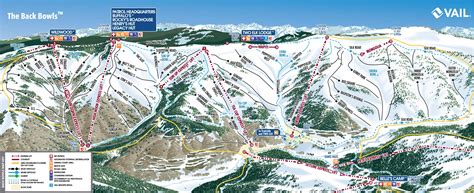
They believed there was gold and silver on the hills. In order to obtain the precious metals, they laid down railroad tracks and set up mines, which scared the Utes away from the land. The Utes, on the other hand, tried to banish the intruders by allegedly setting acres of trees on fire. It appears that this led to Vail’s famous deforested area today known as Back Bowls.
Read also: Your Visit to the Gerald R. Ford Amphitheater
Vail CO History: Early Years
It goes without saying that the mineral resources of the valley were depleted pretty fast by the miners. In the 1800s, the valley was transformed into a gazing and ranching land. Until 1939, the area was quite peaceful. But then began the construction on Highway 6 called the Vail Pass, which ran from Denver to the Gore Valley. The engineer of the project, Charlie Vail, lent his name to the construction and eventually to the Town of Vail.
The 10th Mountain Division
Later on, during WW2, a training center was created south of the area by the United States Army and this is where the 10th Mountain Division used the Vail area for Backcountry survival. They trained for alpine combat. As the war came to an end, one of the trainees, now veteran, Pete Seibert would later returned to Colorado skiing. After attending the Aspen Ski School and joining the Aspen Ski Patrol, he was appointed manager of the Loveland Basin Ski Area. This is where he met Earl Eaton.
The latter, having spent his childhood in Colorado, dreamt of opening a ski resort in the Rocky Mountains. Eaton had a passion for skiing, so it’s no surprise that both he and Seibert climbed Vail Mountain in 1957. Together, they thought the town of Vail would make the perfect skiing area. However, they didn’t have any money to set their plan in motion. They needed about $1 million to get a permit from the USFS. Luckily, Seibert managed to get investors’ attention.
Freestyle Skiing in the 1960s and 1970s Down the Vail Mountain
The opening was due to take place on Dec. 15, 1962. The preparation began in early summer. For several months construction workers went above and beyond to build a slew of base facilities, many condos, two chairlifts, and - what was going to be the main attraction - a Bell gondola. When winter came, it was milder than usual, which allowed the construction work to continue. Unfortunately, the weather remained warm into December, which compromised the conditions that were necessary for the day of the opening. In the first year, lift tickets ran $5. With that amount of money, visitors could take advantage of nine ski runs, eight ski instructors, two chairs, and one gondola.
The new marketing manager of Vail was Bob Parker. His biggest goal was to market Vail as a tourist destination across the country, stressing what a wonderful skiing experience one could get. Thanks to the joint efforts of many people, Parker, included, Vail grew a lot in the 1960s. President Gerald Ford traveled to the town in 1969 for the first time. He liked his experience there so much that he even purchased a property in the area. From that moment on, he started to visit Vail every year. Construction work continued into the early 1970s. New lifts and trails were built alongside a library, parking structures, an ice arena, and a transit system. By the middle of the 1970s, the town had earned the reputation of one of the best ski areas in Colorado.
Read also: Comprehensive Vail Resorts Overview
1980s-90s
In 1988-89, the town marked its 25th anniversary. At the time, Vail turned into the largest ski area in North America as the China Bowl was established with a new quad chair. The following year, what is now Vail and Beaver Creek held the World Alpine Ski Championships, making Vail famous all over the world. Forest Service, Vail Resorts and the Town of Vail made a pact. What followed is the opening of Blue Ski Basin. According to the data, this land adds 645 acres of additional skiable terrain on Vail Mountain.
One of the things that helped establish Vail as a sports medicine center was when orthopedic surgeon Richard Steadman treated the injured knee of Vail Associates owner George Gillett. This event marked the beginning of a new friendship that resulted in Steadman moving his practice to the town of Vail. What followed is, a new trend was set in the area related to celebrity medical tourism to Vail. In fact, plans are made for a $75 million expansion of Vail Valley Medical Center under the direction of architect Michael Graves. Other data suggest it’s about a $ 100 million expansion of Vail Valley Medical Center.
The First Gondola in the US
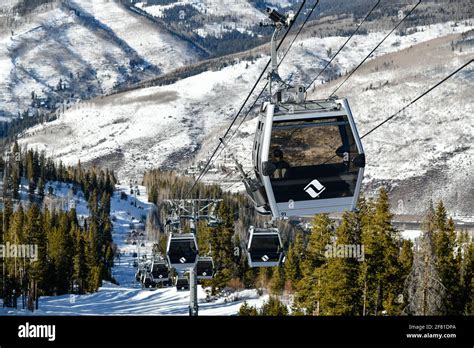
It is believed that the first gondola in the US was in Vail. If you’ve seen the yellow gondola cabin, then you already know what we’re talking about. This is part of the original establishment that was created in 1962.
2015 FIS Alpine World Ski Championships
In 2015, Vail hosted the 43rd FIS Alpine World Ski Championships, welcoming athletes from 68 nations. There were a total of 11 events that stretched across 13 days and two weekends, with international media broadcasting the games to over 1 billion viewers. The events were opened by Barack Obama and the main venue was in Beaver Creek. Vail was selected to host the championship in 2010 at the FIS Congress in Antalya, Turkey.
In addition to its ski slopes and a great mountain ski community, Vail offers a lot of attractions:
- Dog sledding
- Winter fat tire biking
- Mountain biking
- Ice fishing
- Whitewater rafting
- Jeep tours
- Fly fishing
- Goat yoga
- Golf club
- Paddleboarding
The following table summarizes key periods in Vail's history:
| Period | Key Events |
|---|---|
| Pre-1962 | Ute Indians inhabit Gore Creek Valley; Fortune seekers drawn to Gore Range; Construction of Highway 6. |
| 1962 | Vail officially opens as a ski resort on December 15. |
| 1960s-1970s | Vail grows as a tourist destination; President Gerald Ford visits and purchases property; New lifts, trails, and facilities are built. |
| 1980s-1990s | Vail becomes the largest ski area in North America with the establishment of China Bowl; Vail and Beaver Creek host the World Alpine Ski Championships. |
| 2015 | Vail hosts the 43rd FIS Alpine World Ski Championships. |