When it comes to hockey, the importance of teamwork cannot be overstated. Whether you’re playing in a local league or aiming for the championship in a professional setting, the need for collaboration and unity among teammates is essential. Hockey is not just a collection of individual talents; it's a finely tuned collaboration among players.
The Essence of Teamwork in Hockey
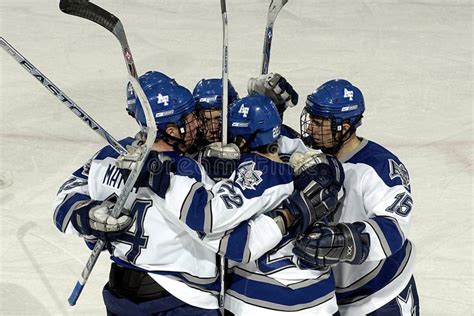
Successful teams are characterized by their ability to work together effectively, each member understanding their role while supporting their teammates. A hockey team is only as strong as its bond. When players trust one another and work as a cohesive unit, they can adapt to the game's dynamics and face challenges with confidence. This unity allows for better play calling, strategic moves, and the ability to take calculated risks together.
Communication: The Key to On-Ice Success
In the heat of a game, clear and concise communication is vital. Players need to talk to one another on the ice to execute plays and defend against opponents. This communication extends to calling for passes, pointing out open teammates, and signaling when to switch positions.
Shared Goals and Accountability
Each player must be aware of the common goal-winning. When everyone is committed to the same objective, their motivation soars, leading to more intense training sessions and better performance on the ice. The sense of accountability pushes players to elevate their game, showing up for practices prepared, and working hard every shift.
How Do Hockey Teams Communicate On The Ice?
Roles and Responsibilities
Every player on a hockey team has a specific role, from forwards to defensemen to the goaltender. Understanding and respecting these positions is critical for seamless teamwork.
Read also: Features of Custom Hockey Gloves
Forwards: The Offensive Line
Forwards are primarily responsible for scoring goals, which makes their teamwork essential during offensive plays. Good forwards need to recognize when to pass to an open teammate-often leading to a game-changing play.
Defensemen: The Guardians
While forwards are concentrating on scoring, defensemen play a crucial role in ensuring that the opposing team does not capitalize on opportunities. Their ability to communicate effectively with forwards during transitional plays can create offensive momentum while maintaining a solid defense.
Goalies: The Anchors
Goalies are often viewed as the anchors of a hockey team. Their presence can calm the nerves of the entire team, especially in high-pressure situations. Those in front of them-defensemen and forwards-must work in tandem with the goalie to anticipate incoming plays and deflections.
Building Teamwork Through Practice
Practice doesn't just improve individual skills; it’s a critical component in building teamwork as well. Implementing drills that focus on collaboration is vital. Drills should encompass everything from passing to shooting, and they should encourage players to work with different teammates. The more familiar players become with each other’s playing styles, the better they can anticipate movements during a game.
Off-Ice Bonding
Off the ice, engaging in team-building activities fosters camaraderie and personal connections among teammates. Fun activities outside of hockey can help players bond and build trust, which translates into better performance during games.
Read also: The story of Craig Needham
Historical Examples of Teamwork in Hockey
History is filled with remarkable examples of teamwork breaking the barriers of individual skill.
The "Miracle on Ice"
One of the most iconic moments in sports history occurred at the 1980 Winter Olympics in Lake Placid, New York. men’s hockey team-composed of collegiate players-faced off against the heavily-favored Soviet team.

The Chicago Blackhawks Dynasty
In the 2010s, the Chicago Blackhawks became a formidable force in the NHL, winning three Stanley Cups in six years. What set the Blackhawks apart was not merely their talent but their ability to work together seamlessly. Players knew each other's strengths and weaknesses, which allowed them to execute complex strategies effectively.
The Chemistry of Success
While skill is essential, it is often the chemistry between players that determines a team's success. When teammates understand each other’s playing styles, they can move in harmony, both offensively and defensively. Trust is the backbone of any successful team. When players trust one another to fulfill their roles, they can take risks and make quicker decisions without doubt. Being able to understand the feelings and perspectives of teammates is essential for fostering camaraderie. Empathy promotes an environment where players support one another, both on and off the rink.
Incorporating Teamwork into Your Game
Incorporating teamwork into your practice and gameplay requires deliberate effort. Understanding the importance of teamwork in hockey can fundamentally change your perspective on the game. As you hone your skills with your teammates, remember to embrace collaboration, trust, and shared goals. Incorporating teamwork into your game approach will also positively reflect on your decisions, both during practice and high-stakes games. Don’t hesitate to challenge yourself to elevate your team dynamic; be the teammate that inspires others and helps them shine.
Read also: Inside Aaron Ness's Career
Elevate Your Game
The next time you lace up your hockey skates or put on your favorite hockey jersey, think about how you can contribute to a unified and unstoppable force on the ice.
Aspiring players can benefit greatly from seeking guidance from experienced coaches and mentors. Expert insights and personalized training plans can accelerate skill development and enhance overall performance. Coaches provide valuable feedback and constructive criticism that help players identify areas for improvement. Their experience and expertise offer new perspectives on training methods and strategies. Mentorship is equally valuable for aspiring players. Mentors offer guidance, support, and motivation, helping players navigate challenges and stay committed to their training.
Dynamic Skating Programs
Dynamic Skating has been the industry leader for over forty years. Their programs, camps and clinics are rivaled by no one! They have perfected the combination of on and off ice training for players of all levels. Program participants are serious players, who work hard and want to improve. Their classes are small by design. This allows their staff to get to know each individual and recognize their strengths and weaknesses. Each staff member receives thorough training on the proper techniques and philosophy of Dynamic Skating. This training ensures that your child will receive the best instruction! They offer a variety of programs to cater to the specific needs of each individual player. On the ice each player is separated by ability into separate groups. Players throughout the week will have the opportunity to move up or down, within these groups, based on their on-ice progression.
Precision, Speed, and Endurance
Ice hockey is more than just a sport; it’s a thrilling blend of speed, skill, and strategy that captivates players and fans alike. For aspiring players, the dream of mastering this dynamic game requires dedication, focus, and the right training techniques. Precision is key in ice hockey, where every move can make or break a play. Players must fine-tune their skills to execute passes, shots, and maneuvers with accuracy. Developing precise techniques enhances overall gameplay and contributes to team success.
Drills for Improvement
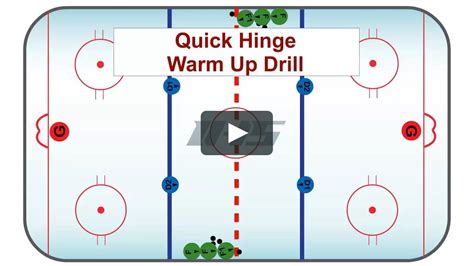
Incorporating precision-focused drills into your training regimen can yield remarkable results. Exercises like cone drills and stickhandling routines challenge players to maintain control and agility. These drills simulate real-game scenarios, helping athletes build confidence and improve their ability to think on their feet. Regular practice with precision drills not only sharpens individual skills but also fosters teamwork. Players learn to anticipate each other’s movements, facilitating seamless passes and coordinated plays.
Enhancing Physical Abilities
In the fast-paced world of ice hockey, speed and agility are paramount. Swift movements enable players to outmaneuver opponents and capitalize on openings. Aspiring players must focus on enhancing their speed and agility to gain a competitive edge. Ladder drills and cone sprints are excellent exercises for developing speed and agility. These drills improve footwork and quick reflexes, allowing players to change direction swiftly and maintain balance on the ice. Agility is closely linked to balance and core strength. Exercises like lateral shuffles and balance board routines help players build the stability needed to maintain control during high-speed maneuvers.
Ice hockey demands intense physical exertion over extended periods, making endurance a crucial factor in a player’s performance. Developing endurance ensures that players can maintain their energy and effectiveness throughout the game. Interval training and circuit workouts are effective methods for building endurance. These exercises challenge players to maintain a high level of intensity over varying durations, simulating the demands of a hockey match. In addition to cardiovascular exercises, it’s essential to focus on muscular endurance. Strengthening key muscle groups through activities like squats and lunges enhances a player’s ability to generate power and maintain stability on the ice.
Mastering Puck Handling and Shooting
Puck handling is an art form that separates skilled players from the rest. It involves finesse, coordination, and the ability to read the game while maintaining control of the puck. Stickhandling drills are fundamental for improving puck control. Exercises like figure-eight drills and toe drags challenge players to manipulate the puck with precision and confidence. Incorporating puck-handling drills into training sessions also fosters creativity. Players develop a sense of anticipation, enabling them to create scoring opportunities and break through defensive lines.
Shooting accuracy is a game-changer in ice hockey. A well-placed shot can turn the tide of a match and secure victory for the team. Aspiring players must focus on refining their shooting techniques to become reliable goal-scorers. Shooting drills that emphasize form and technique are invaluable for improving accuracy. Exercises like wrist shot practice and one-timers allow players to fine-tune their shooting mechanics. In addition to mechanics, players should focus on visualization and mental preparation. Imagining specific scenarios and visualizing successful shots can enhance a player’s confidence and focus.
The Importance of Defense
While offense often grabs the spotlight, defense is equally crucial in ice hockey. Strong defensive skills prevent opponents from scoring and create opportunities for counter-attacks. Positioning and body-checking drills are essential components of defensive training. These exercises teach players how to maintain proper positioning, block passing lanes, and disrupt opponents’ plays. Effective communication is also a key aspect of defense. Players must coordinate with teammates to execute strategies and maintain a united front against opposing attacks.
Mental Resilience and Physical Well-being
Ice hockey is as much a mental game as it is physical. Developing mental resilience is essential for maintaining focus and composure in high-pressure situations. Visualization and mindfulness exercises are powerful tools for building mental resilience. These practices help players manage stress, stay present, and maintain a positive outlook. Resilience is also built through experience and learning from setbacks. Aspiring players should view challenges as opportunities for growth and improvement.
Proper nutrition and recovery are integral components of an athlete’s training regimen. Fueling the body with the right nutrients and allowing ample time for recovery ensures that players can perform at their best consistently. A balanced diet that includes carbohydrates, proteins, and healthy fats provides the energy needed for intense physical exertion. Staying hydrated is equally important, as it supports cognitive function and prevents fatigue. Recovery strategies such as stretching, foam rolling, and adequate sleep promote muscle repair and reduce the risk of injury. Incorporating these practices into daily routines aids in maintaining peak physical condition and preventing burnout.
Teamwork and Leadership
Ice hockey is a team sport that relies on effective teamwork and communication. Aspiring players must recognize the importance of collaborating with teammates to achieve success. Team-building exercises and collaborative drills encourage players to work together and develop a sense of camaraderie. These activities strengthen bonds and create a supportive environment where players can rely on one another. Leadership skills are also vital for fostering teamwork. Aspiring players should strive to lead by example, inspire their teammates, and contribute positively to team dynamics.
The Impact of Marsblade’s Dynamic Skate Holders
A new study from the Swedish School of Sport and Health Sciences (GIH) shows that hockey players perform better using Marsblade’s dynamic skate holders. The study compared traditional holders with Marsblade’s dynamic holders, and the results showed improvements in speed and acceleration in backward skating. “We’ve known for a long time that our blades make a difference, and the fact that GIH can now scientifically demonstrate improved performance is another step toward fundamentally changing the game of hockey,” said Per Mårs, Founder of Marsblade.
GIH, one of the leading sports science institutions in Europe, has published the first scientific study demonstrating performance benefits with Marsblade’s Flow Motion Technology. Together with previous research from Brock University in Canada, which identified energy efficiency and injury prevention effects, a strong body of evidence is now emerging to support the significance of the technology.
Marsblade’s dynamic skate holders are already being used by players in the NHL and other top leagues, as well as by the Swedish national team during the 2025 World Championship. Players report improved acceleration, higher speeds, better maneuverability, and fewer injuries.