So how long does it take to learn how to snowboard? That depends on your athletic ability, previous board sport experience and the time you have to commit to learning. Regardless of whether you choose skiing or snowboarding, both sports deliver an exhilarating mountain experience.
Ultimately, the best choice comes down to your personal preference, learning style, and physical comfort. This guide breaks down the key differences, learning curves, and factors influencing each sport, helping you decide which is the best fit for your style and goals. Let's delve into the details of learning to snowboard and what you can expect during the process.
Skiing vs. Snowboarding: Which is Easier to Learn?
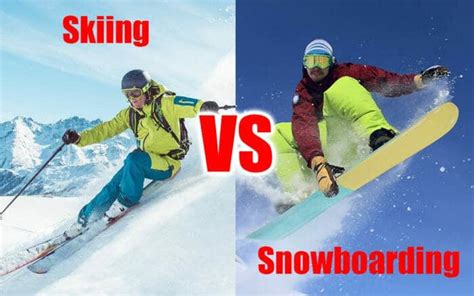
Is skiing easier than snowboarding? This age-old debate continues among winter sports enthusiasts. Skiing is often perceived as easier to start due to its forward-facing stance and independent leg movement, while snowboarding demands full-body coordination, making initial progress more challenging. However, once past the beginner stage, snowboarders often advance more quickly.
Key Differences Between Skiing and Snowboarding
Skiing and snowboarding differ significantly in movement and control.
- Movement and Control: Skiers face forward, keeping their feet parallel and using ski poles for balance and propulsion, while snowboarders stand sideways with both feet strapped to a single board.
- Balance and Stability: Skiing provides independent leg movement for better stability, whereas snowboarding requires whole-body coordination.
- Turning Techniques: Skiers shift weight and use ski edges; snowboarders apply toe and heel pressure.
- Stopping Methods: Skiers use edge techniques like the snowplow, while snowboarders stop by leaning onto their heels or toes.
Equipment differences: Skis offer independent leg movement, while snowboarding involves both feet fixed to one board.
Read also: Pure Hockey Long Island Guide
Turning in skiing involves shifting weight and utilizing edges, while snowboarders rely on toe and heel pressure.
Stopping techniques also differ, with skiers using a wedge (snowplow) or carving, whereas snowboarders apply their heel edge to slow down.
Skiers can use poles to assist with balance, and the learning curve is often smoother, allowing beginners to navigate green slopes within a few sessions. In contrast, snowboarding has a steeper initial learning curve.
Initial Learning Curve
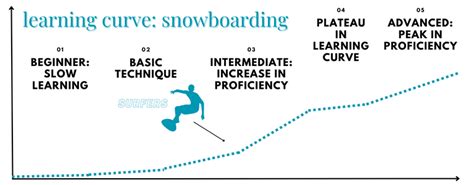
Beginners must learn to control the board using core strength and full-body coordination, leading to frequent falls in the early stages. Realistically, new snowboarders should expect to spend several days mastering basic balance and turning techniques. Yet, after overcoming these early challenges, snowboarders typically experience rapid improvement, allowing them to tackle intermediate slopes within a similar timeframe to skiers.
Packed powder provides an ideal surface for beginners, offering good grip and control, while fresh powder, though softer for falls, demands strong weight distribution. Icy slopes present challenges for both disciplines, requiring precise edge control. Groomed trails are beginner-friendly, whereas ungroomed terrain demands adaptability.
Read also: Comprehensive Jet Ski Guide
Evaluate your tolerance for initial difficulty-snowboarding often involves a steeper early learning curve compared to skiing. Consider your balance and coordination-skiing allows independent leg movement, while snowboarding involves a fixed stance.
Think about lift access and navigation ease-skiers generally find chairlifts and varied terrains simpler to manage initially. Expect physical challenges-both sports require stamina, but snowboarding emphasizes core strength more due to balance demands.
Factors Influencing Learning Speed
Learning and progressing as a snowboarder happens at different speeds and that is okay! We all know that kids learn fast. It’s no surprise to say that if you’re a child, you’re going to pick it up quickly. Kids from about 7 years and up will have a great leg up on older adults who can lack the flexibility of someone younger.
If you’re strong, fit and flexible, snowboarding will be easier to learn. You use your legs and core a ton. Flexibility also helps with movements and getting up after falling. Height doesn’t affect your learning much unless you’re really tall. You might find those smaller movements a bit different. Weight also doesn’t affect your learning unless you are overweight.
This is probably the best factor that will speed up your learning. If you’ve skied before then you’ll have an understanding of edge control and how to maneuver on snow, especially with how to control speed. It’s more intuitive if you’ve been on snow before.
Read also: How to Select Ski Length
You don’t need the most expensive equipment on the market but you’ll want something in relatively good condition. If you’re away on a holiday and can invest a few full days to learn, you’ll fare much better than someone who is practicing a few times a month.
Lessons are broken into private and group lessons. With a private lesson, you get 100% of the instructor’s time so they are able to give you a very structured and attentive lesson. Private lessons can be expensive so it depends on your budget and how fast you want to progress.
Most of the world’s biggest resorts have their own governing body for instructors. They all undergo standardized training and are required to ride and teach to a certain level. If you’re a complete beginner, having a relatively new instructor will be fine.
10 Tips Every Beginner Snowboarder Should Know
Tips for Beginners
Beginners should focus on staying relaxed, maintaining a forward stance, and avoiding stiffness to improve control and balance. Common mistakes include trying to keep up with advanced riders, leaning back too much, and neglecting essential fundamentals.
- Take lessons from professionals to build confidence and learn proper techniques.
- Rent gear initially to access quality equipment without significant investment.
- Stay relaxed and maintain a forward stance to improve control and balance.
- Avoid common beginner mistakes, such as trying to keep pace with advanced riders or leaning back excessively.
- Practice balance drills and controlled movements to enhance coordination and stability.
Everybody learns differently. Some people need theoretical explanations, while others can see a demonstration or a video and aim to copy those movements. Getting a lesson or two to grasp the fundamentals is recommended no matter how you learn. Lessons provide a structured development plan to which is tailored to reach milestones and competencies before moving to the next skills.
A lesson like this could take 3 to 6 hours, depending on the client’s learning ability. After completing one or two lessons, you’ll want to get out on the slopes and get some mileage. You can also watch videos and read tutorials on how to improve from here now that you know the basics.
Progression and Skill Development
Mastering the basics is just the beginning-progressing in skiing or snowboarding requires ongoing training, both on and off the slopes.
For the average person, the beginner lesson in the previous session should be completed within 3-6 hours. Getting yourself comfortable riding and turning on green runs could take another 3-4 hours too.
Below are a few other skills to develop once you master the above. Some skills like carving and introduction to park and freestyle could be introduced in your first year. Other skills like steep terrain and switched riding could take years to master.
Carving is simply leaning the body towards either edge to change direction rather than rotating the lower body to make the board turn. The transition from turning to carving comes when a rider begins to feel comfortable at higher speeds and has developed excellent balance and edge awareness. You should aim to start carving once you’re comfortable turning on blue runs. Head back to green runs and give carving a try.
The great thing about snowboarding is once you understand how to turn, you’ll use the same movements to turn on steeper terrain. Movements you will begin to develop will be independent leg movement to help dive into turns with power and absorb rougher terrain on steep slopes. You’ll also begin to deform the board, which will provide additional power and control to use on those steep slopes. Depending on how much you’re snowboarding, you might get to this stage in your first season. It could take a full season to really get comfortable riding on black and double black terrain.
The real reason why people start snowboarding seems to be the park and freeride aspect of the sport. Snowboarding is much more creative and easier to ride park than skiing. After you learn how to carve this is a great skill to start developing.
Advanced Skills
- The Freestyle Triangle: A stance where your body is completely stacked over your snowboard with your shoulders in line with the board. This will help with balance and control before your board goes in the air.
- Popping the Snowboard: Pulling both feet up or each one independently, springing the board up in the air. Once you’ve mastered this, you can progress to smaller jumps.
- Boxes and Rails: Require you balance on a flat base and let it slide.
- Switched Riding: Simply snowboarding with your opposite foot forward. Remember how you learned to turn? You’re going to do the exact same thing, just with the opposite foot forward. Switched riding is used a lot in park and freestyle riding. It’s also a very important skill to have when you’re freeriding steep terrain.
Realistic Expectations and Time Investment
It is possible to learn the basics of snowboarding in one full day of lessons. With a private lesson, you will be getting the undivided attention of the instructor. You will learn faster with a private lesson but it will be more expensive. You can still get a great lesson in a group setting if the group progresses at the same pace.
An intermediate snowboarder should be able to turn comfortably on all blue runs and carve on green runs. They should be turning with the lower body and keeping the upper body in line with the snowboard. Skills like this could be developed in as little as 10 hours.
If you’re taking full day lessons, three six hour lessons should give you enough time to learn the basic skills you’ll need to be a comfortable snowboarder.
Social Aspects of Snowboarding
Both skiing and snowboarding offer strong social opportunities, from group lessons to après-ski gatherings. Resorts create spaces for riders to connect, whether through shared chairlift rides or freestyle park sessions. While skiing historically followed a more structured learning approach, snowboarding carries a distinct park culture that embraces creativity and style. The social experience in either sport depends more on personal preferences and resort environments rather than the discipline itself. Today, most winter destinations welcome both skiers and snowboarders, fostering a shared passion for the mountains.
Conclusion
There is no right answer to “How long does it take to learn to snowboard?”. It’s dependent on multiple factors and what your goals will be. It’s safe to say that after 20 to 30 hours of practice, a snowboarder will be able to ride around a ski resort on all greens and some blue trails. As long as you are learning and having fun, enjoy the journey and not the destination.