You've likely heard the term "merino" mentioned by outdoor enthusiasts. But how much do you know about this wooly fabric, which is a key ingredient in a wide variety of apparel? Let's delve into the details of merino wool, exploring its origins and what makes it a versatile and valuable material for outdoor clothing, especially for ski base layers.
What is Merino Wool?
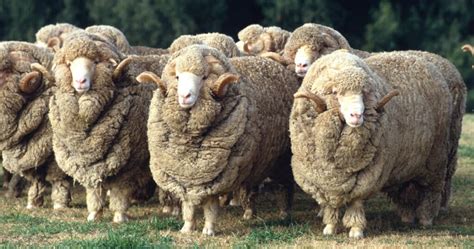
Merino wool is a superfine natural fiber that comes from merino sheep. It's soft, breathable and moisture-wicking, making it ideal for base layers, socks and liner gloves. Merino sheep, originally from Spain, have been raised since the 12th century and prized for their soft, ultra-fine wool. Today, merino sheep are raised in Argentina, Australia, Chile, New Zealand, South Africa the United States and Uruguay.
In general, wool is a resilient fiber made from the protective covering, known as the fleece, of fuzzy mammals, most commonly sheep (but also rabbits, alpacas and goats). Each year, shepherds shear the live animal's fleece, which is made up of countless individual wool fibers.
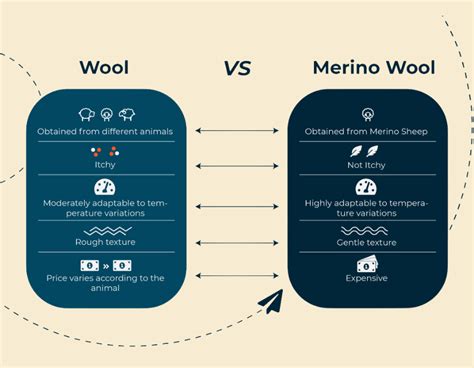
The diameter of a wool fiber is measured in microns, with one micron equaling one millionth of a meter. Wool's quality and how soft or coarse it will feel when touched-known as the "hand" in the garment industry-typically depend on its micron count. A finer micron or lower count means softer wool, and merino wool is much finer than other wool, making it moisture-wicking, comfortable to wear and naturally sun-protective.
"All wool is not the same," says Rita Samuelson, deputy director and wool marketing director for the American Wool Council. "There's wool that's meant to be worn next to your skin, that's comfortable-and merino is that. And there are other wools that are meant to be more durable and heavier-weight fabrics, and those aren't meant to be worn next to skin."
Read also: Types of Snowboard Base Material
While other types of wool are known for the strength and durability that comes from a higher micron count, merino wool is thinner-typically less than 22 microns. (For comparison, human hair averages between 50 and 100 microns.) For that reason, merino wool is often used in next-to-skin garments like base layers, socks and underwear, though it can also be made into suits, knitwear and even high-end piano hammers.
The Performance Benefits of Merino Wool for Ski Base Layers
Merino is "a top-of-the-line material for outdoor activities," Coleman says, and it is commonly found in apparel for outdoor pursuits. That said, it can be pricier than cotton and synthetic materials, and some folks with sensitive skin find their skin reacts to it. But if you are debating whether it's a material that will work for you, here are some of its benefits.
Soft and Stretchy
Merino wool's softness and natural elasticity makes it a great base layer material for multiple activities like hiking, skiing, and running.
Temperature Regulating
The fiber's natural crimped texture traps pockets of still air, providing insulation benefits in cold or hot weather. And it's naturally hygroscopic, meaning the fiber takes in water vapor from its environment. As this happens, the merino releases heat, so the wearer feels warmer and drier when conditions are cold and damp. In hot and dry conditions, on the other hand, the material moves water vapor away from the skin and then releases it into the air, keeping you cool even on warmer days.
Moisture Wicking
Merino wool is also naturally hydrophobic-water tends to bead up on the surface where it's easy to brush off. "It's great for socks in that it wicks moisture away from your feet," notes Samuelson. "It doesn't make them feel clammy."
Read also: Snowboarding Mid-Layer Guide
Odor Resistance
Angela Jabara, trade and education extension lead with The Woolmark Company, explains that merino wool absorbs odor molecules and traps them until a garment is washed. "It's great if you have to wear something a few days in a row." (Like when you're camping.)
Stain Repellence
The material's hydrophobic quality helps it naturally resist staining, especially from liquids. Along with its odor-resistant qualities, this can help it require fewer washes, which conserves water.
Anti-Static
Merino absorbs moisture from its environment, which helps prevent the creation or build-up of static electricity. This helps keep it from clinging to skin and creating sparks.
UV Protective
Most merino clothing typically has a UPF rating between 20 and 50, which means it can protect your skin from harmful UV rays.
Biodegradable
Unlike many synthetic materials, merino wool is biodegradable in as few as three or four months (though the exact time frame varies based on environmental factors as well as the fabric's specific characteristics).
Here's a summary table of the benefits:
| Benefit | Description |
|---|---|
| Softness | Gentle on the skin, ideal for base layers. |
| Temperature Regulation | Insulates in cold weather and cools in warm weather. |
| Moisture Wicking | Keeps you dry by drawing moisture away from the skin. |
| Odor Resistance | Absorbs and traps odor molecules, reducing the need for frequent washing. |
| Stain Repellence | Resists staining, especially from liquids. |
| Anti-Static | Prevents static electricity build-up. |
| UV Protective | Offers protection from harmful UV rays. |
| Biodegradable | Decomposes naturally, unlike synthetic materials. |