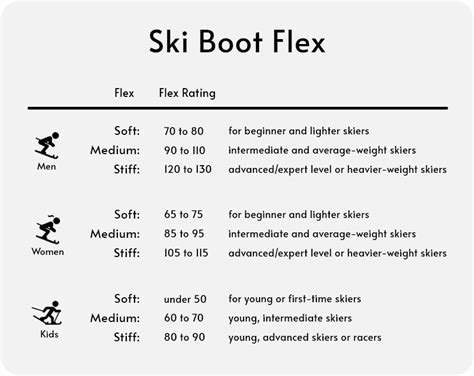
When shopping for backcountry boots, how much emphasis should you put on the weight? This depends on the type of use, such as long multi-day tours versus roadside day laps. Understanding the balance between weight, fit, and performance is crucial for selecting the right ski boots. Let's delve into the factors that influence this decision.
When considering new touring boots, several models may come to mind. The Dynafit Hoji Free and the Tecnica Zero G Pro Tour are popular options. Some skiers have also tried Scarpa and La Sportiva boots, but fit can vary significantly.
It seems that new materials like Grilamid allow boots to be both lighter and stiffer, which is generally seen as a positive development.
For AT boots, weight ranges directly correlate to uphill versus downhill performance. Within a class, weights vary, but usually not by more than +/- 100g. Most AT skiers choose their boot class by performance, then look at fit, and then weight. If you are going to use the boot inbounds too, then binding compatibility is important.
If you are talking mostly downhill boots (alpine) then weight can vary from 2500 g down to 1600 g which is quite a range and significant.
Read also: Great Lakes Snowfall Expected
Uphill Performance vs. Downhill Performance
Uphill performance is not just about weight, but also range of motion, friction/resistance to motion, length of sole, support/fit in walk mode, and ease of transitions. Usually, you will give up on downhill skiing performance when going for lighter weight boots.
The Ski-Boots-Bindings System
I try to view the skis-boots-bindings as a system so if your priority is long days going uphill then I would pair lightweight boots with light AT bindings and lightweight skis.
Weight Considerations
Read also: Renting vs. Buying Ski Gear
The only times 100g would make a big difference is if you were racing and uphill speed is very important, or if the lighter boot is already very heavy and sort of at your max. I have a one boot quiver for BC skiing, but if I was to add a lighter one, there is no way I would choose one with only 100g of savings.
Personal Experiences and Preferences
Personally I like a lighter boot to go downhill too. I noticed a difference wehn I went from the heavier Head Raptor to the lighter Salomon S/Max (then back to the Lange) and now in The K2 Recon Pro.
Real Numbers on Boot Weight
What do your touring boots actually weigh (not the published numbers, but your setup weighed on a scale)? My Salomon Explore 26.5 boots weigh (actual) 1480g. I weigh ~150 lbs nekkid, skiing on 178 Blizzard Zero G 108s w/G3 Ions and BD Glidelite mix skins, and don’t feel the need (or desire) for stiffer or heavier boots. I feel like 1500/1600 g is the top end.
Read also: Whistler Blackcomb Ski Passes
Boot Fit and Alignment
I would focus more on the fit and aligning the boots design/purpose to your needs. Some AT boots focus more on great downhill performance than the uphill but can manage the uphill and some are designed to give the best performance on the uphill and can manage the downhill.
Dynafit Hoji Free and Tecnica Zero G Tour
As far as the two boots you mentioned, Blister weighed them at 1650g for the Hoji Free, and 1320g for the Zero G Tour. I own a pair of Hoji Frees and love them but they do sacrifice a bit of weight for their downhill prowess which give very little if anything to downhill only boots. They are really good on the uphill mainly due to their awesome walk mechanism. The liner is again a bit of a compromise but again it is optimized for downhill performance. If I toured a LOT I would go with a much lighter boot. I wanted to but at 190 lbs + 20 lb of gear I crushed lighter / softer boots.
Ski Weight Project
Lightweight skis, heavy skis, welterweight skis - skiers have their own preferences when it comes to ski weight. In 2016, we unveiled our Ski Weight Project, making it our mission to provide customers with in-depth weight data to help them choose the right skis. Of course, we also enjoy geeking out over this stuff. So, each year we weigh skis by hand here at Powder7 World Headquarters in Golden, Colorado and share the data with the skiing universe. In general, skis are getting lighter, with companies incorporating light-but-strong materials like carbon in lieu of metal. Lighter-weight resort skis tend to keep most people skiing better and longer. Crazy-light backcountry skis make alpine touring more accessible, more fun, and more popular. Meanwhile, skis with more mass tend to please hard-charging experts who don't mind a little extra weight in the name of more powerful performance. Dig into the details of our ski weight methodology here.
Weight vs. Performance: Striking the Right Balance
Choosing the right ski boots involves balancing weight with other crucial factors like fit, features, and intended use. Whether you prioritize uphill efficiency or downhill performance, understanding these trade-offs will lead to a more enjoyable backcountry skiing experience.
Table of Approximate Ski Boot Weights
The following table provides a general overview of ski boot weights based on category. Please note that these are approximate values and can vary between models and manufacturers.
| Boot Category | Approximate Weight (grams) | Typical Use |
|---|---|---|
| Alpine (Downhill) | 1600 - 2500 | Resort skiing, emphasis on downhill performance |
| AT (All-Mountain Touring) | 1300 - 1800 | Backcountry and resort skiing, balance of uphill and downhill |
| Lightweight Touring | Under 1300 | Long tours, emphasis on uphill efficiency |
Additional Resources
For more information on ski boot selection and weight considerations, consult with experienced ski shop professionals and read reviews from trusted sources.