Selecting the right field hockey stick for kids can significantly impact their performance and enjoyment of the game. This guide provides comprehensive information on various factors to consider when choosing a stick, including size, shape, carbon content, and weight.
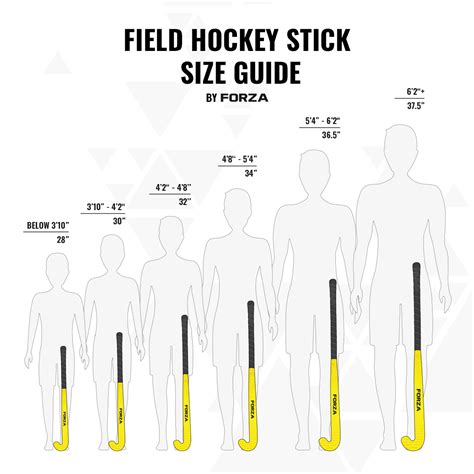
Stick Height: Finding the Right Fit
Why does stick height matter? Players under 5’2’’ should follow the sizing chart below to select an appropriate stick height, or a quick guide is to measure the stick to the top of the hipbone. What many do not hear in the USA is that this is just a quick estimate for little kids.
Once a player reaches 5’3” the global standard is 36.5”. We highly suggest that players remain at 36.5” for the best field vision and control. There are many Elite and National Team players who are over 6 feet tall that still play with a 36.5” stick.
Players with a more upright style, can move up in stick size at 5’10”. Those with a low-to-the-turf style (most NCAA coaches teach this) should stay with a 36.5” stick. A wider stance will allow better reach and hits while maintaining field vision as well as allowing for pulling the ball in close when maneuvering.
Key Takeaway: Get the stick that helps you play hockey the best!
Read also: Keeping Little Feet Warm on the Slopes
Stick Bend: Impact on Ball Movement
The bend of a stick affects how it moves and lifts the ball. Smaller bend sticks, 22mm or less, are easier to develop core skills and result in less accidentally lifted hits and receptions. Medium bend sticks, 23mm, allow some maneuverability and lifts with the best shape for sweep hits and deceptive sweeps. Large bend sticks, 24-25mm, are easiest to perform more advanced techniques like aerials, drag flicks, 3-D skills and have better maneuverability overall, but can sometimes crate the angle for accidentally lifted hits and bobbled receptions.
The Low (or Late) Bow is a sharp curve very low on the stick, the control in maneuverability and lifts make it the most popular shape.
Head Shape: J-Shape vs. Maxi Head
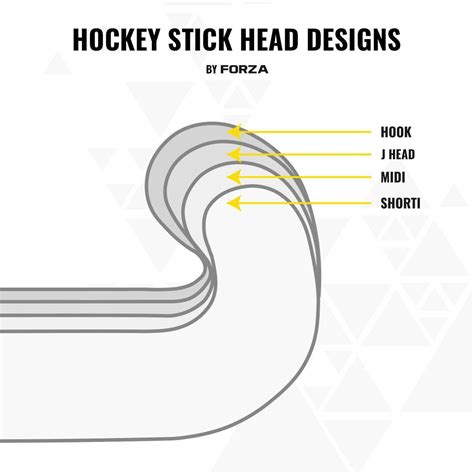
There are two main types of head shapes on a stick: J-shape and Maxi head.
- J-shape: Many players prefer the J-shape since it has more playing surface and is easier to dribble; it allows players to pass and receive more upright. Forwards who need to get off quick passes typically prefer the J-shape. The head curves up to form the letter “J”.
- Maxi head: The Maxi head is the same size at the J-shape head, but doesn’t curve up as much, it has slightly wider sweet spot but dribbling is not as easy.
Carbon Content: Power vs. Control
How much carbon is right for me? The amount of carbon in a stick dictates the potential energy for hitting the ball and how much deflection will occur. Less carbon levels will allow more control and forgiveness when trapping the ball. Higher carbon levels will allow more power and stronger deflections.
Some prefer a stiff stick since it increases the player’s ability to use deflection to their advantage. Typically, less experienced players should start with a lower amount of carbon and then slowly work their way up as their skill level increases. If the ball bounces away during traps decreasing the carbon amount will help with ball control.
Read also: Safe Ski Helmets for Children
Sticks made with a softer style of carbon, like the Exa brand, have as much power as an equivalent stick with the same carbon ratio but with a softer receive, keeping the ball closer to a player’s stick.
Stick Weight: Balance and Maneuverability
The weight of a stick can benefit different sets of skills that are preferred by different positions. Typically defenders prefer heavier sticks, or ones with a lower balance point, because it provides stronger block tackles and more momentum on drives. Offensive positions typically prefer lighter weight sticks, or ones with a higher balance point, since they allow quicker stick movement for dribbling. Aerials and 3-D skills are easier with less head weight.
Finding Your Best Stick Match
Who knows how to fit me to my best stick? The Dita Stick Matcher Quiz can help players find their best stick match. Choose from Original, Collegiate or Indoor. Take the quiz more than once if you aren’t sure about a question.
Table: Summary of Stick Features and Their Impact
| Feature | Impact |
|---|---|
| Stick Height | Field vision and control |
| Stick Bend | Ball movement and lifting ability |
| Head Shape | Dribbling and passing style |
| Carbon Content | Power and ball control |
| Stick Weight | Balance and maneuverability |
Buying the RIGHT Hockey stick to best suit your game!
Read also: Choosing the Best Ski Mittens for Children