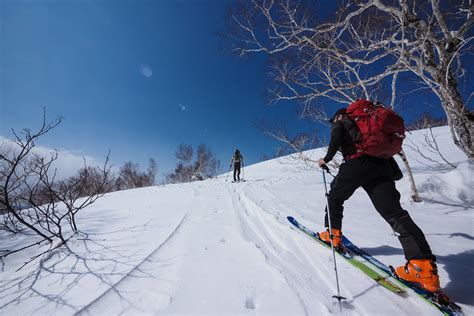
Recent years have seen a surge in backcountry skiers exploring Hokkaido and other areas of northern Japan, drawn by the promise of exceptional snow. While this influx is largely welcomed, it also raises concerns about preserving the natural environment and respecting local customs. This guide aims to bridge the gap between enthusiasm and responsible behavior, offering practical advice on ski touring etiquette in Hokkaido and beyond.
Understanding Japanese Cultural Norms
Before diving into specific guidelines, it's crucial to understand the cultural context. Japan is known for its group-oriented society, where consideration for others (hairyo) is paramount. Maintaining harmony in relationships and attentiveness to others are highly valued. This is further reinforced by a tendency to focus on the wider impacts of one’s own behavior.
To facilitate this "others-first" approach, Japan enforces social norms more strictly than many other countries. These norms are often unspoken, internalized as "short-hand" guides for behavior and thought. This emphasis on unspoken rules stems from Japan's history and environment: a densely populated country with limited resources and frequent natural disasters. Cooperation and unobtrusive behavior are essential for societal harmony.
As a snowboarding Hokkaido Shinto priest said, “our lives are made possible by others, both humans and Nature.”
Ski culture and etiquette: Japan vs the West
Practical Etiquette for Ski Touring
Now, let's explore the specific "manners" for ski touring in northern Japan. Remember, observation and inquiry are key if you're unsure about local practices.
Read also: Review: JetskiBuddy & AirFlare
Parking
Trailheads, especially on weekends, can become crowded in Hokkaido and northern Honshu. Marked parking lots may not be cleared of snow. You'll often need to park on the side of the road, ensuring you leave ample space for other vehicles to pass.
- Park as close to the side of the road as possible.
- Dig out a parking spot further to the side if necessary.
- Leave the end of the snow-clearing free for machinery to turn around.
- Avoid parking near intersections where visibility is limited.
Overnight Parking
Campervans are ideal for chasing the best snow. However, winter-oriented facilities are still developing. Always confirm whether parking is permitted in a particular area.
- Michi-no-eki (roadside stations) are usually reliable for parking and 24-hour toilets.
- Search for "24 hour toilet" on Google Maps to find available parking areas.
Toilet Etiquette
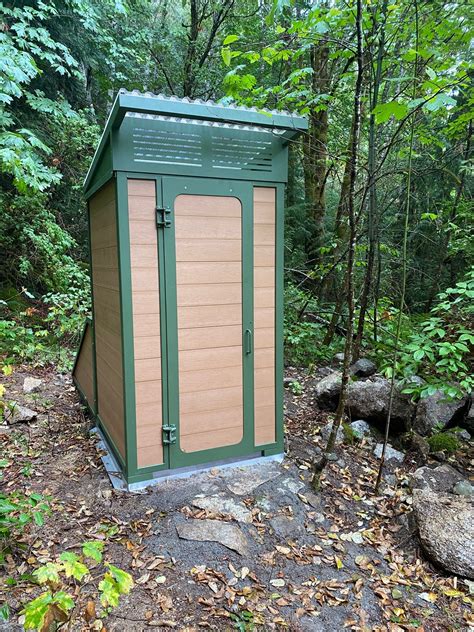
Given Japan’s population density, proper toilet etiquette is vital at trailheads and on the trail. Use convenience store toilets before arriving at the trailhead. If nature calls before setting off, move as far away from the trailhead as possible.
For solid waste, the standard practice is to use a portable toilet (poo-tube or durable ziplock bag). All toilet paper, even biodegradable types, must be packed out. Never leave it in or on the snow.
NOTE: Many public toilets are closed or buried in snow during winter. Utilize toilets whenever you have the chance.
Leave No Trace Principles
Adhere to the principle of "leave nothing but footprints, take nothing but photos." Pack out all trash. Convenience stores often provide trash bins, allowing you to dispose of your daily waste (keep quantities minimal).
Hut Etiquette
Hokkaido’s huts are maintained by volunteers. Most are free or inexpensive. Show your appreciation with these tips:
- Book in advance if required.
- Cancel bookings or notify changes to the managing organization.
- Leave the hut cleaner than you found it.
- Minimize table and floor space usage.
- Conserve fuel (wood or coal).
- Replace used wood with wood from outside.
- Do not burn trash in stoves; pack it out.
- Clean out ash from cold stoves.
- Dispose of ash in a hole in the snow, away from the hut.
- Follow "no boots inside" policies.
- Maintain clear distinctions between "outside," "inside," and "toilet" footwear.
- Pack out all toilet paper if the toilet only handles human waste.
- Brush off snow before entering the hut.
Noise
Japan is known for its quiet public spaces. This respect extends to the winter hills. Avoid broadcasting music from portable speakers, as it may disturb others.
NOTE: This doesn’t apply to hiking in summer, where radios and music are used as a bear-safety device.
Drones
If you plan to use a drone in the backcountry, check for others nearby. Politely ask if they mind. This respects their right to a quiet, relaxing experience and avoids legal issues. In Japan, drones must not come within 30m of people on the ground.
NOTE: Always check local regulations before flying a drone, as local rules may be enforced.
Walkie-Talkies
Hokkaido can be crowded, especially around Niseko and Furano. Follow common-sense radio rules: keep chatter and volume low, and switch frequencies when necessary.
NOTE: Only radio devices complying with Japanese technical standards can be used. Using non-compliant devices is illegal and can result in fines or jail time.
On-the-Trail Greetings
A cheerful greeting in any language is appreciated, especially in Japanese:
- konnichi wa = hello
- arigato (gozaimasu) = thank you
- sumimasen = sorry/thank you
Climbers Have Right of Way
On narrow skin tracks, uphill climbers have the right of way.
Backcountry Bathroom Basics
Beyond specific ski touring etiquette, it's essential to understand how to manage human waste responsibly in the backcountry.
Peeing in the Backcountry
- Choose a spot away from trails and campsites.
- Stay 200 feet (70 steps) from water sources.
- In alpine areas, pee on a rock surface to avoid attracting goats.
Additional Tips:
- Find a soft spot of earth that absorbs quickly.
- Use a wide stance for balance.
- Keep clothing out of the way.
- Use a sarong or hiking skirt for privacy.
- Consider a pee funnel for convenience.
- Pack out toilet paper in a plastic bag.
- Use a designated bottle for nighttime urination in a tent.
Pooping in the Backcountry
Before heading out, gather the necessary supplies and understand the proper techniques.
Supplies:
- Toilet paper
- Hand sanitizer
- Sealable plastic bag
- Camp trowel
- Solid waste bags or containers (if required)
Steps:
- Carry supplies 200 feet (70 steps) from trails, campsites, and water sources.
- Dig a "cat hole" about 4 inches wide and 6 to 8 inches deep.
- If digging is impossible, lift a rock or carry out waste.
- Use minimal toilet paper and pack it out.
- Cover the cat hole with dirt and tamp it down.
- Sanitize your hands.
Backcountry Hygiene Tips
Clean hands are essential for preventing illness. Carry hand sanitizer and use it after using the toilet and before handling food. Wash hands thoroughly with soap and water when possible.
Conclusion
By following these guidelines, you can contribute to a more sustainable and respectful backcountry experience in Hokkaido and beyond. Remember that responsible behavior ensures the preservation of these pristine environments for future generations.