The Patagonia SnowDrifter Bib stands out as a compelling option for skiers seeking a blend of lightweight design, sustainability, and performance in both backcountry and resort settings. This review delves into the features, updates, and real-world performance of the SnowDrifter Bib, highlighting its strengths and potential drawbacks.
Overview
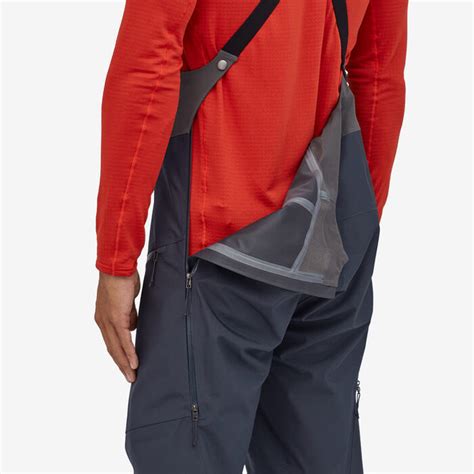
We found the SnowDrifter Bib to be simple, yet effective in its design. The SnowDrifter Bibs were also rocking an assembly of updates for winter 23/24, which I was excited to put to the test. Most notably, the fabric was overhauled to be 100% recycled polyester (up from the former 70% mark). The textile and membrane was now completely PFC-free and more stretchy. The fit was adjusted to be roomier around the backside and upper quads. Plus, the look offered clean lines and a fresh aesthetic. All of those same upgrades apply to the women’s SnowDrifter Bibs and Jacket, too. Unless it’s really warm and reliably dry out, I don’t normally need or like the feeling of soft-shell ski bibs.
Key Features and Updates
- Material: Now made with stretchy 50-denier 100% recycled polyester, up from the previous 70%.
- DWR Finish: Completely PFC-free DWR (Durable Water Repellent) finish.
- Membrane: PFC-free waterproof membrane.
- Fit: Roomier fit around the backside and upper quads.
- Sustainability: These are about as planet-friendly as you can get these days with it’s recycled materials, being made without any forever chemicals and put together in certified Fair Trade factories.
Performance
The SnowDrifter Bibs are designed to excel in a variety of conditions, from resort skiing to backcountry touring. Here's a breakdown of their performance in key areas:
Weather Resistance
The SnowDrifer scored highly when it came to weather resistance, holding up to our shower test. For the shower test, we stood in the shower for two minutes while wearing the bib, focusing the water spray on zippers, vents, seams, and the material. We paid special attention to the upper material of the bib, which is constructed of a stretchier fabric blend that has a DWR coating. We experienced no leaking or seeping and were impressed by its endurance. The waterproofing is also reliable (so far). I’ve been in some wet snow and some deep powder in these bibs, and they hold up. They aren’t rain pants, though Patagonia’s H2No Performance Standard upholds that the garment achieves at least a 20,000mm rating for waterproofness (that’s nearly the highest level for snow apparel) and can maintain a 10,000mm rating after extensive use. For every backcountry tour I have found myself on so far, these pants are more than adequate on the downhill.
Breathability and Ventilation
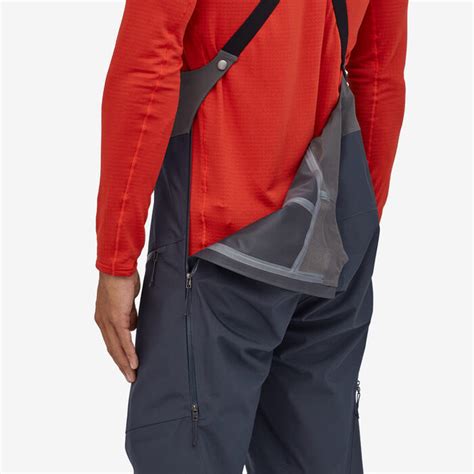
The bibs were also incredibly breathable. I hadn’t needed to open the dropseat leg vents, even after climbing uphill. I was really taken with the SnowDrifter Bibs’ performance on the uphill. Patagonia’s fabric here breathes, period. If I do ever overheat in the SnowDrifter Bibs, fresh cool air is only a zipper (or two) away. The drop seat on these bibs has two water-resistant zippers (one on each side). The action is smooth. They haven’t gotten stuck on me.
Read also: Review: Patagonia Shell Jackets
Mobility
The stretch in the 3L fabric is a nice touch that supports your range of motion. Taking some long steep steps up a skin track? No problem - the SnowDrifter will let you reach as far as your legs allow. Need to do some quick slope-side body-weight squats? These bibs will go as low as you can.
Warmth
The bibs score low when it comes to warmth, due to the very nature of a shell. They are not meant to retain heat on their own, though they can be paired with a base layer for additional warmth. This could be a positive, especially for backcountry skiers. But, if you tend to run cold and do not like to layer underneath, you should explore a different option.
Design and Features
Pockets
These bibs come with three pockets-two thigh and one chest pocket. The thigh pockets had plenty of room for us to stash a phone and wallet, and the chest pocket runs deep, but we did miss the presence of a kangaroo pocket for more sturdy upper body storage. That, however, is simply preference.
Fit
While these bibs are comfortable due to their stretchy material, we found the fit to be a little off. The pants seemed long compared to others of its size, and we experienced bunching at the bottom. Patagonia often has an athletic, tailored silhouette to its clothing and apparel, but these are a slightly different variation. I normally wear a size large - I could get away with a medium in these (especially with the stretch factor). Maybe I should have. Sometimes these feel a little baggy.
Additional Features
- RECCO Technology: These bibs come equipped with RECCO technology, which can be used by ski patrol crews to help locate someone if necessary.
- Drop Seat: The bib's drop seat has two water-resistant zippers, one on each side.
Pros and Cons
To provide a balanced perspective, here's a summary of the key advantages and disadvantages of the Patagonia SnowDrifter Bib:
Read also: Maximize Savings on Mount Snow Skiing
Pros:
- Breathability: Excellent breathability, ideal for uphill touring.
- Mobility: Stretchy fabric enhances range of motion.
- Sustainability: Made with recycled materials and a PFC-free DWR finish.
- Weather Resistance: Reliable waterproofing for various conditions.
- Lightweight: Doesn't weigh you down during long tours.
Cons:
- Warmth: Requires layering for colder conditions.
- Fit: Can feel baggy; consider sizing down.
- Pocket Configuration: Lacks an inner pouch in both leg pockets.
- Shoulder Straps: Thin shoulder straps that can twist easily.
Patagonia SnowDrifter Bibs Review - Sean Sewell of Engearment.com #patagoniasnowdrifterbib
Sustainability Aspects
Longevity Choosing durable outdoor gear is perhaps the most effective way to reduce environmental impact-the longer it lasts, the less it needs to be produced. PFAS-Free DWRThis product’s DWR (Durable Water Repellent) finish is made without per- and polyfluoroalkyl substances (PFAS). These synthetic compounds are known as "forever chemicals” because they take an extremely long time to degrade, if at all. PFAS can eventually end up in everything from soil to drinking water and have been linked to a range of health issues. PFAS-Free Waterproof Membrane This product's waterproof membrane is made without per- and polyfluoroalkyl substances (PFAS). These synthetic compounds are known as "forever chemicals” because they take an extremely long time to degrade, if at all. PFAS can eventually end up in everything from soil to drinking water and have been linked to a range of health issues. Recycled MaterialsThis product is made partly or entirely from recycled materials, the most common being nylon, polyester, wool, and down. Some products include a single recycled component or partially recycled fabric, while others are 100% recycled (generally excluding accessories like zippers, Velcro, toggles, etc). Look for these details in our product sustainability report linked below. Bluesign ApprovedBluesign Technologies, based in Switzerland, operates a third-party textile certification system that ensures materials are manufactured to strict environmental, chemical, and worker safety standards. A Bluesign-approved material indicates that it has undergone a rigorous vetting process based on the criteria above. A Bluesign Product goes the next mile, containing at least 90% Bluesign-approved fabrics and at least 30% Bluesign-approved accessories. Responsible ManufacturingThis criterion evaluates this brand's commitment to fair wages, safe working conditions, and reducing its environmental impact throughout the production process. Responsible manufacturing is most commonly demonstrated through certifications and membership in programs such as Fair Trade Certified, Fair Wear Foundation, Worldwide Responsible Accreditation of Production, and the Fair Labor Association. We also recognize brands that prioritize local production, such as those that manufacture primarily in the United States or Europe, to reduce carbon emissions, maintain better oversight of working conditions, and comply with strict social and environmental regulations. Recycled and/or Reduced PackagingThis brand uses recycled packaging and/or is making efforts to reduce packaging altogether. For example, it may use a certain percentage of recycled cardboard or make efforts to use less plastic across its packaging operation. In some cases, brands also use Forest Stewardship Council-certified paper products, which helps to ensure sustainable sourcing of forest materials. Repair ServicesThis brand offers repair services, which can extend this product's lifespan and reduce overall consumption. Some brands offer comprehensive repair programs that can fix a wide range of issues, while others have more limited capabilities. If a brand's warranty policy only covers replacement, rather than repair, these programs usually do not meet this criterion. Resale and/or Recycling ServicesThis brand has a resale and/or recycling program, which helps keep gear in circulation for longer and out of landfills. The most common form is a trade-in program, where consumers can exchange items for store credit, which is then resold. Some brands accept products back for recycling at the end of their life, thereby reducing waste. Occasionally, some do both. Carbon Footprint TrackingThis criterion evaluates whether this brand measures its greenhouse gas emissions, along with its commitment to reduction and transparency in reporting. Typically, we require brands to follow established frameworks such as the Higg Index, Greenhouse Gas Protocol, or The Change Climate Project. Generally, companies use the widely recognized scope categorization system for measuring brand emissions. Annual Impact ReportThis brand produces and publishes an annual impact report for public consumption, tracking its environmental footprint and sustainability efforts. These reports vary in form but generally cover topics such as material sourcing, greenhouse gas and emissions tracking, waste and water usage, supply chain analysis, and packaging efforts.
Conclusion
The Patagonia SnowDrifter Bib is a strong contender for skiers prioritizing lightweight performance, breathability, and sustainable design. While it may require careful layering for colder conditions and the fit might need some consideration, its overall performance and eco-friendly construction make it a worthwhile investment for backcountry enthusiasts and resort skiers alike.
Read also: MLine Pro Deck: Three-Season Performance