Snowmobiling in the backcountry offers a sense of freedom and adventure that few winter activities can match. Wide-open powder fields, steep mountain slopes, and untouched trails call to riders looking for adrenaline and escape. But beneath the excitement lies a serious side-because the risks are real.
Every season, riders face dangers such as avalanches, sudden whiteouts, mechanical breakdowns, frostbite from extreme cold, and the possibility of getting stranded miles away from the nearest road or help. That’s why safety equipment is more than just a checklist-it’s your lifeline.
What makes snowmobiling unique compared to skiing or snowboarding is the sheer distance you can cover in a short time. Within an hour, a snowmobile can take you deep into remote, avalanche-prone terrain where cell service disappears and rescue access is limited. This ability to travel fast and far is part of the appeal, but it also increases the consequences of being unprepared.
Snowmobiling is about freedom, adventure, and camaraderie-but it should always be about safety too.
One of the most important investments any rider can make is a snowmobile avalanche pack-a backpack designed to help you survive if you’re caught in an avalanche.
Read also: US Embassy Bahamas Jet Ski Warning
The Avalanche Pack: More Than Just a Backpack
An avalanche pack is more than just a regular backpack-it’s a highly specialized piece of safety equipment designed for riders who venture into avalanche terrain. At its core, it features an integrated airbag system that can be deployed within seconds at the pull of a handle. When activated, the airbag inflates to increase the rider’s overall volume, helping them rise toward the surface of the moving snow.
Research and real-world rescue data show that avalanche airbags can significantly improve survival chances by keeping riders closer to the surface and easier to locate. However, it’s critical to understand that airbags alone are not enough.
Key Features to Consider in an Avalanche Pack:
- Airbag System: Look for proven technologies like compressed gas or electric fan inflation systems.
- Fit and Comfort: A good pack distributes weight evenly and doesn’t restrict movement while riding.
- Storage Capacity: You’ll need enough space for avalanche tools, first aid supplies, extra clothing, water, and food.
- Durability: Avalanche terrain is rough.
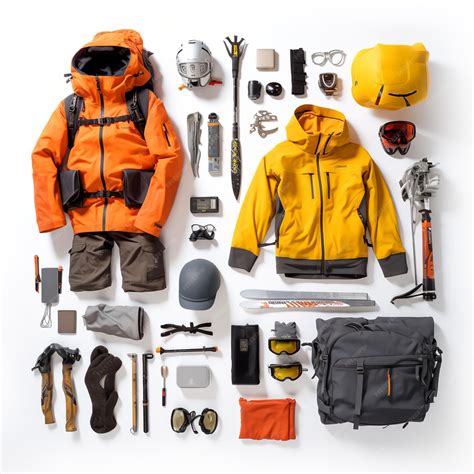
While airbags are essential, a full survival pack includes more than avalanche gear. Think of it as your lifeline in case of breakdowns, bad weather, or emergencies far from the trailhead.
Essential Snowmobile Safety Gear
Together, these items form the foundation of avalanche safety gear. Carrying them is only half the equation-every rider should also be trained in how to use each tool effectively, and practice regularly with their group.
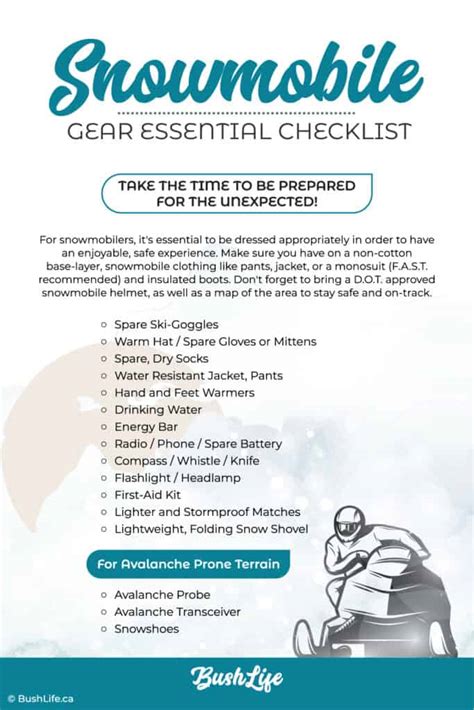
Here's a list of essential snowmobile safety gear:
Read also: A Revolution in Hockey Gear
- Avalanche transceiver
- Shovel
- Probe
- First aid supplies
- Extra clothing
- Water
- Food
Learn to use this...LIVES depend on it. Avalanche Beacon 101
Knowledge and Training: Your First Line of Defense
Owning the right gear is just the beginning. The most important element of safety is how you use it. Knowledge is your first line of defense.
Avalanche awareness and training should be the foundation for every rider venturing into the backcountry. Understanding how to read terrain, assess snowpack conditions, and recognize warning signs is just as critical as knowing how to operate your sled. But knowledge alone isn’t enough. Seconds truly matter in an avalanche rescue.
When a rider is buried, companions-not professional rescuers-are usually the only ones with the chance to dig them out in time. Having the right pack and the training to use it gives you and your group that chance.
Think of it this way: your safety gear gives you tools, but training gives you the knowledge to use them effectively.
Key Practices for Snowmobile Safety:
- Always travel with partners.
- Deploy your avalanche airbag, practice beacon searches, and run rescue drills.
- Monitor avalanche forecasts and weather reports.
No piece of equipment guarantees survival without proper training. An avalanche snowmobile setup helps, but only when used correctly and in combination with smart decision-making.
Read also: Is Eddie Bauer Ski Gear Worth It?
Snowmobiling in the backcountry is an unforgettable adventure, but it demands respect for nature’s risks. Remember: safety gear is not optional-it’s as important as your machine itself. Invest in high-quality avalanche equipment, build a reliable snowmobile pack, and take the time to train with your riding group.
tags: #safety #gear #for #snowmobiling