The question of whether to ski in jeans has long been a topic of debate among snow sports enthusiasts. While modern ski technology has brought advancements in fabrics, goggles, helmets, and boots, the debate around denim on the slopes continues. Is it a fashion statement, a practical choice, or simply a faux pas? Let's delve into the pros and cons of skiing in jeans to help you make an informed decision.
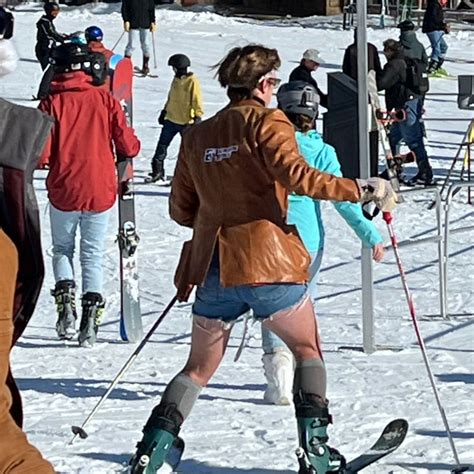
The Drawbacks of Denim on the Slopes
Jeans really aren't the best thing to ski in, and here's why:
1. Freezing Temperatures and Lack of Protection
Denim isn't waterproof or windproof. If you sit on a damp chairlift, take a spill, or get caught in a storm, jeans won't offer the warmth and protection that waterproof ski pants will. When cotton gets wet, it stays wet, and when you’re wet and riding a chairlift to high altitudes, your wet jeans are going to freeze. And when your jeans freeze, so will you.
2. Fashion Faux Pas
Nowadays, long, straight skis are out of style, and as much as we love the nineties, jeans are out, too. Ski fashion aside, no one looks good with dry calves and a damp seat.
3. Risk of Looking Unprepared
If you’re still skiing, however, you may have realized that skiing in jeans is now met with deep derision in the ski community. In some ski areas, "Dude skis in jeans" is about the worst insult you can utter.
Read also: Skiing at Brighton at Night
The Argument for Jeans: A Touch of Rebellion and Nostalgia
Lately though, skiing in jeans has taken so many left turns it’s almost right again. People ski in jeans to be ironic, to show that they don’t care what the new generation of skiers think of them, because they're cowboys or because it goes with their handlebar moustache.
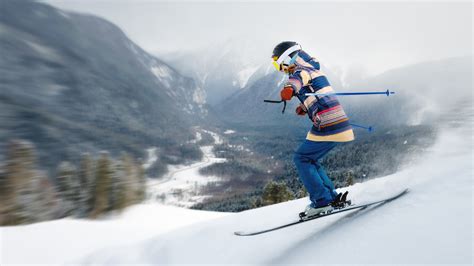
Skiing in jeans can be a rebellious fashion statement.
If you grew up skiing, there’s a good chance that at some point you skied in jeans. Many of us have done it and lived to tell the tale.
Potential Benefits
- Economical: You undoubtedly already own a pair, so it’s the most economical option.
- Wind Resistance: A thick pair will keep the wind off much better than leggings or sweatpants.
- Durability: Jeans are pretty durable against sharp edges.
- Flexibility: Since most jeans these days come with at least a little stretch, you should be able to move better than you did back in the 1980s.
- Apres-Ski Ready: You'll be ready to sail right into apres looking stylish instead of swish-swish-swishing in wearing your ski pants.
When to Consider Jeans (and When to Avoid Them)
Can you go skiing in jeans? Sure, you can go skiing in jeans if you want to. People ski in bikinis and gorilla costumes after all.
If you’re just cruising groomers on a bluebird day in Colorado where the snow just brushes off your pants (and other people are skiing in bikinis), you can definitely ski in jeans. If, however, it’s a cold and wet day somewhere like Vermont, or Scotland, you will almost certainly be very unhappy with your sartorial choice.
Denim, even when stretchy, is also a bit stiff for a sport where you want to be able to make turns or adjust the buckles on your ski boots.
Read also: Maine ski conditions
If you must wear jeans skiing, and it’s wet, consider at the very least wearing waterproof trousers over the top. Then you’ll have some weather protection, and you can just rip them off at the bar Fully Monty style afterwards to rapturous applause.
Alternatives to Jeans: Snow Pants and Bibs
You have many choices when it comes to what to wear when you participate in snowsports. In recent years, bibs, which are essentially overalls you can use for skiing, snowboarding or snowshoeing, have become increasingly popular. Snow bibs tend to offer extra snow protection, warmth and storage. Still, some athletes continue to prefer snow pants for their ease of use and familiarity. The choice between the two comes down to comfort, features, capabilities and, of course, your personal preferences.
To better understand the best option for you, let’s look at the differences between snow pants and bibs, and the benefits of each.
What’s the Difference Between Bibs and Snow Pants?
Snow bibs or snow pants are waterproof or water-resistant bottoms that keep you dry and warm during winter activities. The main difference between bibs and pants is the amount of coverage they offer. Pants (also called snow pants or ski pants) secure around your hips and waist, whereas bibs ride higher, covering your upper body and securing via adjustable (sometimes stretchy) straps that go over your shoulders. Picture the difference between jeans and overalls. Same idea.
The Benefits of Snow Pants
Snow pants tend to be more straightforward to wear and they're familiar. You can pull them on and off quickly, even while wearing a jacket. They may be more comfortable for skiers and snowboarders who run warm and so don't need the added coverage of a bib. Most ski and snowboard pants come with some kind of waist adjustability system, almost like an integrated belt, so you can cinch or expand the waist for a custom fit. Some snow pants also have loops so you can add a belt. Bathroom breaks are generally easier with snow pants and more intuitive; while many snow bibs brands are designing bibs with features like drop seats or long side zips to simplify bathroom breaks, it can still be annoying to answer nature's call.
Read also: Night Skiing Guide: East Coast
Snow pants have their downsides, too. They might slip down or feel too constricting if they don’t fit correctly or lack a proper waist adjustment system. And pants, unlike bibs, leave a gap where they meet your jacket, so snow can get in when you fall.
The Benefits of Bibs
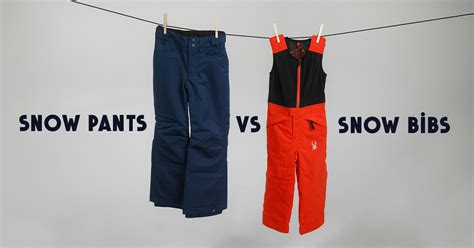
Some people prefer bibs for added protection and warmth in cold temperatures. Bibs secure over your shoulders with help from an adjustable suspender-like system. Bibs’ high coverage also stops snow from entering your waistband after a tumble or on a deep powder day. And bib tops can serve as an extra layer to provide warmth under your jacket, almost like an insulating vest. Bibs have a comfortable, loose feel around the midsection, given that there’s no waistband. Another bonus: Bibs typically offer extra storage thanks to ample pockets.
Of course, bibs have drawbacks. The shoulder straps can be difficult to adjust or uncomfortable. Some adjustable straps may loosen and slide off your frame or dig into your back when you’re wearing a backpack. If you’re someone who tends to run warm, bibs’ extra material may cause you to overheat. Some bibs require you to remove your jacket and pull down the suspender straps to disrobe for a bathroom break. Others have a side or rear zipper that lets you make a pit stop without too much undressing.
Comparison Table
| Feature | Snow Pants | Bibs |
|---|---|---|
| Coverage | Waist to ankle like trousers | Chest to ankle for extra coverage like overalls |
| Pros | -Straightforward, familiar to use -Can pull on and off quickly, making bathroom breaks easier | -Snow less likely to enter at your waistband -Bib tops provide extra layer of coverage -Comfortable, loose feel |
| Cons | -Gaps at the waist may let snow in -Could slip or feel too constricting if they don't fit correctly | -Shoulder straps may loosen -Harder for bathroom breaks |
What Activities Are Best for Bibs or Snow Pants?
The good news is that both bibs and snow pants are designed to handle all activities in the snow, whether you’re a backcountry skier, a park-and-pipe snowboarder or a snowshoer. For backcountry users and those recreating in warmer winter climates, choose breathable snow pants or bibs that aren't insulated. Look for generous vents or two-way zippers that let you release heat if you start sweating.
If you ski or ride mostly in-bounds at resorts or you run cold, you might consider insulated snow pants. Remember that bibs offer an extra degree of warmth for your upper body.
Consider waterproofing. If you plan on skiing, snowboarding or snowshoeing in a place that’s typically cold and dry, you may be able to get away with a water-resistant pair of snow pants or bibs. But if precipitation is in the forecast, opt for fully waterproof snow pants and bibs. All snow pants and bibs should be breathable, to allow moisture to escape when you’re work up a sweat.
Whether you go with snow pants or bibs, you’ll want to make sure you leave enough space underneath to fit a base layer (long underwear) for added warmth.
Still deciding on the right bibs or snow pants for you? These features can help you narrow down your choice.
- Drop seat: Some bibs have features that make it easier to use the restroom.
- Materials, fabrics and insulation: Choosing a fully waterproof fabric is smart if you ski or ride in wet conditions.
- Leg vents: Many snow pants and bibs have a ventilation system that allows you to regulate your body heat.
- Pockets: Consider options for storage, too. Bibs tend to provide ample pockets, especially in the torso area, where a kangaroo pocket or pouch might fit larger items like a smartphone.
- RECCO snow pants: Some bibs or pants incorporate RECCO technology, a reflective rescue system that’s sewed into the pants or bibs, typically on the leg near the boot cuff.
Follow manufacturer instructions when washing and maintaining your snow pants and bibs.