When participating in snowsports, choosing the right gear is essential for comfort, protection, and performance. Among the various options available, snow bib overalls have gained popularity in recent years. Essentially overalls designed for skiing, snowboarding, or snowshoeing, snow bibs offer extra snow protection, warmth, and storage compared to traditional snow pants. To understand the best option for you, let’s look at the features and benefits of snow bib overalls.
What are Snow Bibs?
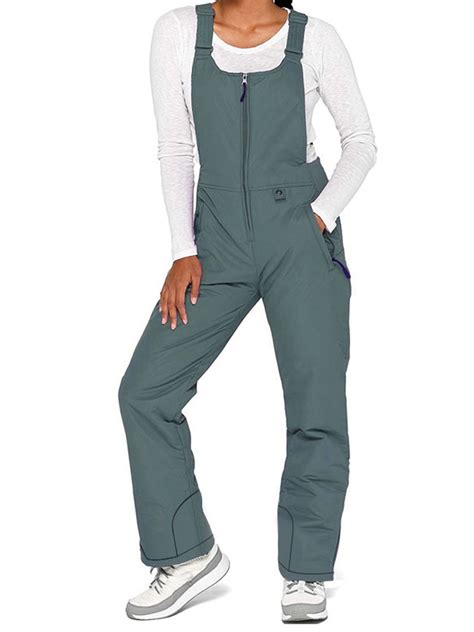
A snow bib, also known as a ski bib, is a versatile piece of winter clothing that has become a staple for skiers and snowboarders. It is a pair of ski pants with an attached bib upper extending upward over the chest. This bib portion is designed to provide warmth and protection to the wearer. Snow bibs are constructed with durable and waterproof materials such as nylon or polyester, ensuring they can withstand the harsh winter conditions on the slopes. These fabrics are also treated with DWR (Durable Water Repellent) coatings, which help to repel water and keep the wearer dry.
One of the critical features of snow bibs is the presence of built-in suspenders. These adjustable straps help to keep the bib securely in place, preventing it from sliding down during intense activity. The suspenders also distribute the weight of the bib evenly, reducing strain on the waist and creating a more comfortable fit.
Benefits of Snow Bibs
Snow bibs offer several advantages over traditional snow pants, making them a preferred choice for many winter sports enthusiasts.
Superior Warmth and Protection
Snow bibs are sought after for their exceptional warmth and protection compared to regular ski pants. The bib portion provides an additional layer of insulation, keeping the core area warm even in freezing temperatures. Extending over the chest helps trap body heat and prevent cold drafts from entering.
Read also: Maximize Savings on Mount Snow Skiing
The snug fit of snow bibs also minimizes the amount of cold air that can enter around the waist and lower back, ensuring maximum warmth. Additionally, the suspenders help to create a barrier against the elements by keeping the bib securely in place and minimizing gaps where snow or cold air could enter.
Enhanced Snow Protection
Snow bibs offer superior protection against snow, especially during falls, skiing, or snowboarding in deep powder. Traditional ski pants may expose the lower back or waist during a fall, leading to snow getting inside and causing discomfort. Snow bibs, on the other hand, provide full coverage and keep snow out, keeping the wearer dry and comfortable.
Many skiers and snowboarders appreciate the peace of mind of wearing snow bibs. Whether speeding down the slopes or tackling challenging terrain, snow bibs' added warmth and protection allow enthusiasts to enjoy their winter activities without worrying about the elements.
Как правильно подобрать экипировку лыжнику/сноубордисту ? Особенности и новинки 22-23 года
Comfort and Fit
Bibs have a comfortable, loose feel around the midsection, given that there’s no waistband. Britt Berg, a senior designer at REI Co-op, says she finds bibs more comfortable “as they don't constrict the waist when doing the moves that snowboarding and skiing require, from sitting on the chair to deep squats when carving."
Additional Storage
Another bonus: Bibs typically offer extra storage thanks to ample pockets. Bibs tend to provide ample pockets, especially in the torso area, where a kangaroo pocket or pouch might fit larger items like a smartphone.
Read also: MLine Pro Deck: Three-Season Performance
Key Features to Look For
When choosing snow bibs, consider the following features to ensure you get the best performance and comfort:
- Water Resistance: Look for bibs made from waterproof materials such as Gore-Tex®. High-end snow bibs often have durable water-repellent (DWR) face fabric coating. This coating helps to repel water and prevent it from seeping through the fabric.
- Breathability: Breathability is important to prevent sweat build-up and ensure comfort throughout the day.
- Insulation: Depending on the temperature and your personal warmth needs, choose ski pants or bibs with the appropriate insulation. Synthetic insulation is often preferred as it retains warmth even when wet.
- Adjustable Waistband and Belt Loops: Traditional ski pants will offer this feature, allowing you to customize your fit. On the flip side, bib pants offer an even better fit since the entire upper is adjustable. Don’t forget about belt loops, either - they provide an extra layer of adjustment and ensure your pants stay up while you’re carving up the slopes.
- Reinforced Knees and Seat: They add much-needed durability to these high-wear regions. This feature is especially crucial for anyone planning to spend significant time doing sit-down turns or knee-drops in the snow!
- Snow Gaiters and Boot Clips: A snow gaiter will have an elastic band to cinch down around your boots, while a boot clip will attach to your laces, preventing snow from creeping in your boot tops.
- Ventilation Zippers: Ventilation zippers are another must-have. As you heat up from an active day of skiing, having the option to quickly cool off can be a lifesaver. You'll typically find them along the inside of the thigh on traditional ski pants.
- Pockets and Storage Options: In an insulated ski bib, you'll find pockets mainly on the upper bib portion, while ski pants feature them on the sides. The key is to choose what suits your needs. Pockets provide handy storage for lift passes, snacks or your phone for those all-important mountain selfies.
Materials and Fabrics
The right fabric can make the difference between a comfortable, worry-free day on the slopes and a soggy, unpleasant experience. Here's what you need to know.
- Gore-Tex® and Other Waterproof Fabrics: Keeping dry is paramount when skiing, and there's no better choice for this than Gore-Tex®. Well-loved for its durability and waterproof qualities, Gore-Tex® is a fantastic choice for any winter sport. However, if you're on a budget, other waterproof fabrics such as nylon or polyester can do the trick too.
- Synthetic Insulation vs. Down Insulation: Synthetic insulation is typically lighter and still provides warmth when wet - great for slushier conditions. Meanwhile, down insulation is perfect for colder climates thanks to its higher warmth-to-weight ratio. Insulated ski bibs are a fantastic choice if you're going down this route.
- Stretchable Fabrics for Mobility: If mobility is a primary concern for you, look for ski pants with stretchable fabrics. A bib pant featuring a softshell bib upper can provide that extra edge in flexibility, helping you get those perfect angles on your turns without feeling constricted.
Taking Care of Your Snow Bibs
Proper care and maintenance can prolong the lifespan of your ski gear. Here are some tips to keep your snow bibs in top condition:
- Cleaning and Washing Tips: Avoid washing your ski pants or bibs too often. A good rule of thumb is every 10-20 days of use. When you do wash them, use a gentle cycle and a detergent designed for technical outdoor clothing. Regular detergents can harm the water-repellent coating on your ski pants or softshell bib upper. If you notice the water isn’t beading up on the surface of your snow pants anymore, consider re-applying a DWR (Durable Water Repellent) treatment.
- Drying and Storage: After washing your ski pants or bib, avoid throwing them in the dryer at high heat, as this can damage the protective layers. Instead, let them air dry. When storing your snow pants or bib, avoid folding them in tight spaces. This can cause the protective seal to crack over time. Instead, hang them in a cool, dry place.
- Repairing Minor Damages: Life happens, and so do rips and tears in your ski pants or bibs. When this occurs, you can either take them to a professional repair service, or you can tackle the issue yourself. If you choose the latter, a ski pants repair kit can be an excellent tool for patching up punctures and tears.
Snow Pants vs. Bibs: A Comparison
To help you decide between snow pants and bibs, here’s a comparison table highlighting their key differences:
| Feature | Snow Pants | Bibs |
|---|---|---|
| Coverage | Waist to ankle like trousers | Chest to ankle for extra coverage like overalls |
| Pros | -Straightforward, familiar to use -Can pull on and off quickly, making bathroom breaks easier | -Snow less likely to enter at your waistband -Bib tops provide extra layer of coverage -Comfortable, loose feel |
| Cons | -Gaps at the waist may let snow in -Could slip or feel too constricting if they don't fit correctly | -Shoulder straps may loosen -Harder for bathroom breaks |
Conclusion
Snow bib overalls offer numerous advantages for winter sports enthusiasts, including superior warmth, enhanced snow protection, and additional storage. By considering the key features, materials, and proper care tips discussed in this guide, you can make an informed decision and choose the perfect snow bibs for your next winter adventure.
Read also: Summit County Ski Report