Boots are the single most important component of a rider’s gear kit, and fit is the single most important aspect of boot selection. Unfortunately, most new riders don’t give boots due attention and suffer the consequences later. This guide is part of a Boot Basics series to avoid or veer off that painful path. Fit is by far the most important element of boot selection. Prioritize great fit above everything, then flex and features- if boots don’t fit, the other two don’t matter.
Fit >>>> Flex > Features
This post solely focuses on fit. I’ll write a follow-up companion piece covering those other boot considerations in the future, but fit is by far the most critical element of boot selection and deserves special attention.
Who Needs this Guide?
- New riders who’ve never bought boots before
- New-ish riders who messed up their first boot fit and want guidance
- Nerds
Focus on Boots, Focus on Fit
Boots directly contact the body and conduct rider movement into the rest of the snowboard setup. If you’re not comfortable or can’t efficiently control your board, not much else matters. Every shop sees countless customers who care about having a sexy hyped board with nice bindings, then treat boots as a complete afterthought. Don’t be that customer, invest in boots first- don’t even think about board and bindings until boots are settled. If you’re on a budget and need to spend big on boots that fit well and settle for a used beater setup, drop the money on the boots. Don’t reflexively purchase the most expensive boots, but buy the boots that fit best and invest the necessary time and money to find them. A new rider should be spending at LEAST several hours trying on boots.
Boots can also heavily impact board and binding choice. Larger boots require wider boards, while smaller boots generally mandate narrower boards. Different bindings fit better or worse with particular boots, and a half-a-size difference can put you in or out of a binding’s size range. Swapping order of operations can result in a completely improperly sized setup, compromising comfort and board control. Boots first.
Read also: Is the Gnu Antigravity Snowboard Worth It?
Boots are the most important part of a rider’s kit.
My personal boot quiver as of January 2023. L to R: K2 Aspect size 10.5, Adidas Tactical ADV size 10, Adidas Acerra ADV size 10
Boot Recommendations are Fucking Useless
Once more for those in the back: boot recommendations are fucking useless. I see far too many people on the internet asking for blind boot recommendations, or variations of “Should I buy Boot A or Boot B?” or “Does this boot fit true to size?”
From the overview: “Prioritize great fit above everything, then flex and features- if boots don’t fit, the other two don’t matter.” Randos on the internet can only tell you about flex and features- they can’t meaningful assess fit. Every foot is shaped different, every boot model fits different. Ignore recommendations, boot reviews, top 10 listicles, or whatever the hell else garbage content exists ignoring this reality. What fits your buddy, some snowboard pro, or some random schmuck on the internet is not relevant to your foot shape or your riding. Go try stuff on.
How to Choose Snowboard Boots: Size, Fit & More
Shop In-Person!
Shopping online is problematic for snowboard boots- access to multiple boot options is necessary for an effective hunt, and the easiest access to multiple options is a well-stocked shop boot wall. The average snowboard consumer buying boots online is chucking darts drunk and blindfolded- might nail a bullseye, but only out of sheer dumb luck.
Read also: Battle Bindings: Performance and Value
If at all possible, buy from a proper independent shop that focuses on board sports and employs core snowboarders. If you live far from a proper shop, buy from the big box store. If your big box stores don’t stock boots, wait for your next riding trip to shop. If you must buy online, be prepared for the hassle and cost of buying multiple models in multiple sizes and return shipping, and budget money for possibly consulting a boot fitter.
Don’t waste a shop’s time trying on everything on the boot wall then buying the best fitting boot you find online for cheaper. If you legitimately need more time to think or are still considering options the shop doesn’t stock, fine. But a shop provides you valuable service that e-commerce cannot possible replicate, and you’re shit out of luck if that shop goes out of business. If you are very price conscious at least give the shop a chance to price match.
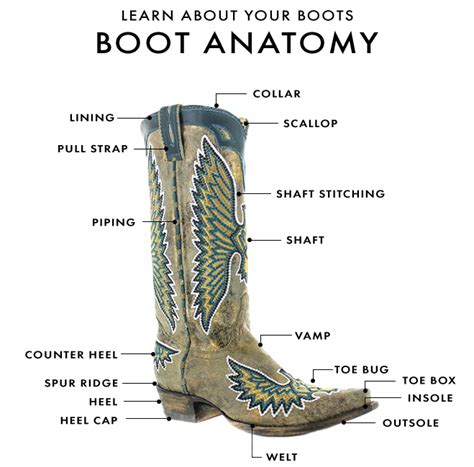
Anatomy of a Boot
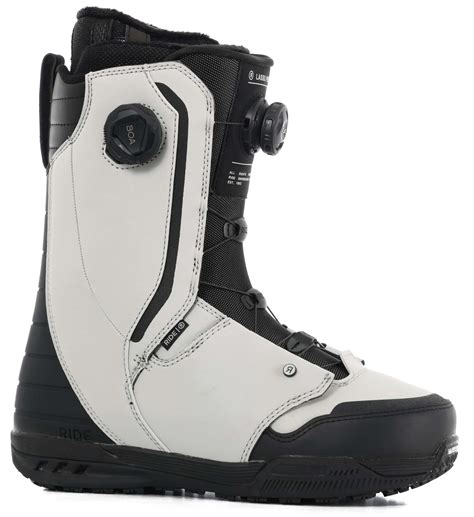
Nearly every modern snowboard boot has 3 separate, nested components out of the box:
- Outer shell
- Removable foam liner that sits between the shell and the foot
- Removable insole that sits underneath the foot at the bottom of the liner
Left to right: (1) Footbed, (2) Liner, (3) Shell
Boot construction and design is more complicated than that, but those basics are sufficient introduction for this discussion.
Read also: Renting Snowboards in Whistler Blackcomb: What You Need to Know
Consult a Boot Fitter (If You Can Find One)
Try to find the most competent professional boot fitter you can find while hunting for snowboard boots. “Boot fitters” are not any ole shop employee who can grab boots off the shelf and give basic advice- professional boot fitters are skilled technicians who assess and address your specific foot’s shape, anatomy, and biomechanics. Boot fitters can advise on issues after purchases, but ideally get involved as early in the process as possible- I only found out boot fitters existed after 5 years of issues and wish I’d known to consult on the front-end.
Good boot fitters almost always live in mountain towns- I’ve had far better luck in Tahoe and Mammoth than San Francisco and Los Angeles. Ideally find someone you can access easily multiple times in the course of a season or trip; boot fitting is a time-consuming process that’s best done over a longer-term conversation and with incremental tweaks after multiple riding sessions.
Unfortunately, snowboarder boot fitting expertise is exceedingly rare. The most sophisticated advice I hear at most retailers- even specialty board shops -is “We can heat mold that for you!” (more on that later). Board shops without boot fitting services can still produce lots of happy customers, but if you happen to be one of the unlucky few with finicky, difficult-to-fit feet, you will need more sophisticated expertise. And I hate to say it, but I often find that more sophisticated expertise at skis shop.
If you can’t resolve fit issues at a board shop, try consulting a mountain town ski shop. If you can’t find a boot fitter period, do the best you can with whatever’s readily available. Like I said, many riders are perfectly happy with the typical board shop. And if you really struggle, you can can do your own research and go the DIY route discussed later.
“Artist” rendition of a boot fitter. Dall-E input: “A wise mountain guru on a snowboard in psychedelic scene”
Get Measured Properly
Do not blindly buy snowboard boots in your normal shoe size. New riders almost always buy their first pair of boots too big. In the first place, podiatric research suggests between 63-72% of people wear the incorrect shoe size compared to their actual measured foot- and on top of any baseline sizing mistakes, snowboard boots fit substantially different from everyday footwear.
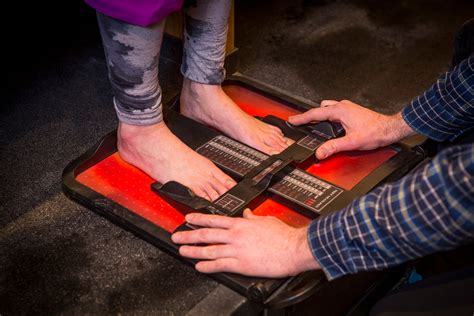
Ideally get measured by an expert in a snowboard shop on a Brannock device or similar measuring device. Ideally you’ll have a Mondopoint (length in cm) measurement for the most precise fit, but US, EU, UK, etc. is close enough since manufacturer boot sizing isn’t consistent or precise in the first place. If you must, you can find your mondopoint foot size at home- but even with a perfect measurement, I highly recommend shopping in-person.
Make sure to measure both feet and generally size to the smaller foot. Humans are naturally slightly asymmetrical and one foot is almost always slightly bigger than the other. For most the difference is marginal, maybe a quarter size- but I’ve seen as much as a size-and-a-half. Keep this in mind if you try on different boots on each foot simultaneously.
Keep in mind even precise foot measurements are only a starting point. Sizing changes dramatically from brand to brand, and even subtly (sometimes not-so-subtly) from model to model within a particular brand’s line. But a proper foot measurement is a better starting point than “this is the shoe size I always buy.”
Trying on Boots
Tips
Few starter tips for making a boot shopping more productive:
- Go during non-peak hours. You will get much more personalized attention when the shop isn’t busy and forced to juggle multiple customers. Alternatively, some shops take advanced appointments specifically for boot fitting.
- Fit boots late in the day or after exercise. Your feet naturally swell up over the course of the day out and about, even more so while riding. Fitting when your feet are naturally a bit swollen is best practice.
- Wear whatever socks you ride in. No overly thick socks, cotton socks, or multiple layered socks. You want a thinnish, tight-fitting sock that’s made of a moisture wicking material and reaches up to at least the top of the boot. You don’t need “snowboarding” socks per se, but a decent riding sock covers all those bases.
- Consider aftermarket insoles. More on that later, but quick version: stock insoles are crap and you want to replace them if you care about performance and support. If you’re going to buy them, best to buy them before or concurrently with boots.
- Tip your shop workers. Not boot specific per se, but if you build a longer-term relationship with a shop and specific employees, the occasional gift of beer for great service goes a long way towards standing out as a good customer.
“Comfortably Snug”
An important guiding principle: boot fit should be comfortably snug in every dimension like a firm handshake. The boot liner should ideally contact with every part of the foot, ankle, calf, and shin to the top of the boot. This will feel unsettlingly tight if you’re unused to snowboard footwear- get used to it. That’s how proper fitting snowboard boots are supposed to feel. When in doubt, go more snug than less.
You’re probably used to leaving at least a finger’s width of room in front of your toes when buying new shoes. Don’t- toe bang is no joke. Performance fit is much more important in snowboarding boots than everyday footwear. You need a tight fit because of how energy transfers into your gear: body-to-boot, boot-to-binding, binding-to-board. Any sloppiness body-to-boot means loss of energy transfer and increased risk of injury.
The Shell Test
As a quick boot fit sanity check, try the shell test.
Pull the liner out of the boot, insert your foot and press your toes up to lightly contact with the front of shell. See how many stacked fingers you can fit between your heel and the boot shell. Most riders should aim for around 1.5-2 fingers. More than that and the boot’s too large, less than that and the boot’s too small unless you are willing to go through some serious break-in pain for an aggressive performance fit.
The shell test won’t definitively identify boots that fit, but will help eliminate options that almost certainly won’t.
Lace Up, Be Patient!
Put the liner back into the shell and try the boots on. Brand new boots (especially traditional lace boots) are often difficult to get on, especially fresh out of the box- this is perfectly normal. Again: boots fit tighter than you expect.
Once you’re in the boot, kick your foot back to fully settle into the heel pocket of the boot. Fully lace up the inner liner and outer shell securely, but don’t overcrank anything- if you need to overcrank to feel secure, the boots are too big. You won’t be seated on the mountain while riding and it changes the position of your foot within the boot.
Assess Fit
We’ll dig deeper on dimensions of fit later in this article, but a few important general points:
- Err towards slightly too snug over slightly too loose. Again: comfortably snug. You should feel firm but not painful contact with your foot in every dimension. Think of buying a new pair of jeans: jeans that fit perfect off the rack are sloppy after the denim fibers relax through a couple days of wear. Similarly, new boots break-in through riding and will never fit any tighter than when you first try them on. Plus creating space is easier than filling space for a good boot fitter. My personal rule of thumb: find the boot that feels perfectly comfortable, then buy a half-size smaller than that.
- Light pressure on your toes against the front of boot. When you bend your knees and flex your ankles, your toes should slightly draw back. Avoid any toe curling, you want to be right at that cusp.
- Do not size up if a boot is not wide enough. This is common and not a big deal in everyday shoes, but don’t mess with it in snowboard boots. Comfortably snug in all dimensions. Just find a wider boot or see if a boot fitter can modify the liner or shell to accommodate.
A few brands have dedicated wide boot models. Offhand, Burton, Thirtytwo, K2, Salomon, and Ride have at least one wide model. Consider them if you measure over 2E foot width.
| Brand | Wide Boot Models |
|---|---|
| Burton | Available |
| Thirtytwo | Available |
| K2 | Available |
| Salomon | Available |
| Ride | Available |