The Gnu Antigravity is a versatile snowboard designed for riders who want a board that can handle a variety of conditions and terrain. This review provides an in-depth look at the board's performance, construction, and suitability for different rider levels.
Rider Profile: James (Size 9, 5’10”, 185-195lbs) has tested and compared 800+ boards and close to 1,000 if you count different versions of the same Model over the years.
Testing Gear: The board was tested with a range of outerwear, including: Skyline Fuse 3L Jacket, Skyline Fuse Light 3L Jacket, Jones Mtn Surf Anorak, Jones Shralpinist Stretch Jacket, Burton AK Gore-Tex Pro 3L Tusk Jacket, Volcom Guide Jacket, Burton Gore-Tex 3L Treeline Jacket, Jones Peak Bagger Jacket.
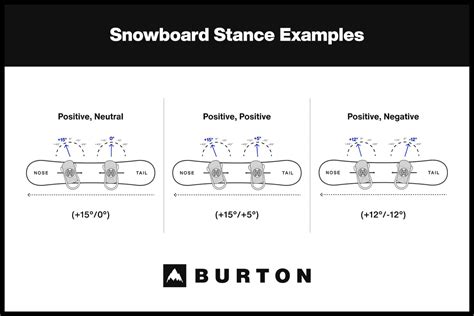
Stance Angles: +18/-3, +18/+3, +18/-9.
Ethics Statement: This review comes from an honest, objective perspective with no brand oversight.
Read also: Battle Bindings: Performance and Value
Overall Impression
The Gnu Antigravity has a lot of universal appeal to it, and other than having the almost full camber catch to it, the rest of the ride feels pretty mellow. If you understand camber but don’t want something super stiff/aggressive, then this could be a fun ride for those who like a moderately tapered directional board that can easily ride tail first. Overall, the Gnu Antigravity is a very recommendable board for advanced expert riders or very committed intermediates on a budget who see a lot of hard snow and want a board that’s going to grip when all the others fail. It’s a very versatile do everything board as well and won’t let you down anywhere.
Turn Ons/Swipe Right: Very poppy. Good spring out of the turn.
Turn Offs/Swipe Left: Catchy full camber feel.
Flex and Feel
There is a medium to medium-soft but dynamic and poppy flex with the Gnu Antigravity that feels softer than its flex rating on Gnu’s site. There is almost a medium soft flex happening here. The Gnu Antigravity is noticeably softer than the Dynamo and Lib Rig.
While the Gnu Antigravity is soft, it still has a very technical, very catchy camber profile for beginner intermediates. The C3 camber seems to run almost completely from tip to tail, making it hard to skid a turn even though it has a softer flex. You still have that tip/tail that is still pretty catch-and-edge friendly. It skids a turn easier than the Dynamo but is still pretty unforgiving.
Read also: Renting Snowboards in Whistler Blackcomb: What You Need to Know
Construction and Materials
Mervin (Gnu/Lib Tech) is on another level when it comes to green construction. No other brand is close and there is no part of this board that is toxic or environmentally unfriendly. No other brand can say that and Mervin has been working on green tech for about 3 decades now as they didn’t want to create a toxic environment for their employees. The Gnu Antigravity has a non toxic ABS like sidewall that wraps around the entire board and you don’t have metal in the tip/tail. It makes it lighter and what I found is more durable in many situations. The topsheet is pretty unique and has a very grippy/durable feel to it.
The Gnu Antigravity has a quasi extruded base that I actually don’t mind at all. It’s not super fast but even when not waxed it still keeps its speed well. I actually prefer it over the overly thirsty Knife Cut Base’s they have on the higher end Mervin (Gnu/Lib Tech) boards.
Sizing and Weight
The Gnu Antigravity felt pretty normal bordering on light for this size/surface area which is great for this price point. The Gnu Antigravity is pretty normal, bordering on light, but far from being ultra-light.
Gnu doesn’t have recommended boot sizes which is pretty old school and can lead to lots of bad decisions. At least they are very loose and open minded about recommended weight because they make a board that can handle weight very well. Here is my recommended boot sizing for the Gnu Antigravity which is very important. Sizing is all about balancing what fits your boot size (most important), weight (second most important) and height (third most important) for how you like to ride. Size down for more control and size up for more speed/stability/carving power.
Here are some ideal US boot sizes for the Gnu Antigravity boards:
Read also: Learn to Snowboard at Brian Head
- 153: 8-9 US
- 156: 9-10 US
- 159: 10-11 US
Gnu is pretty liberal with their recommended weight compared to most brands and they handle heavier riders pretty well.
Shape and Design
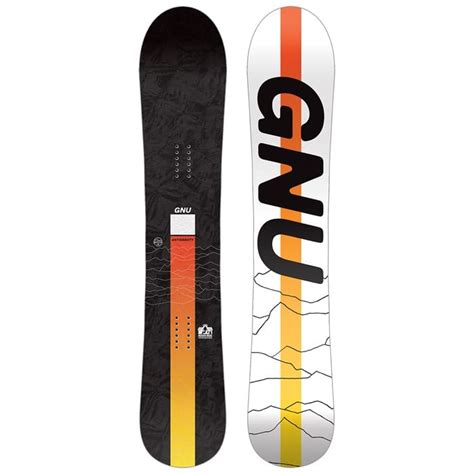
The Gnu Antigravity is tapered and directional, but there isn’t much taper and it feels much less directional for having a -1” setback on sidecut which is pretty far back for most All Mountain to Freeride boards. The Gnu Antigravity has about 5mm of taper, but it doesn’t feel that tapered at all. It feels more like a non-tapered all-mountain ride than a tapered directional set-back freeride board.
The Gnu Antigravity has 3-4mm of taper, but you don’t feel it. This does feel directional and a good bit set back on the sidecut/board, but it still rides pretty centered. There is pretty much full camber happening from tip to tail with only a little passive bend in the middle.
Performance
Turning and Carving
This board can initiate a turn really quickly if you size it right and it went anywhere I needed it to go. And the spring out of the turn is exceptional for a board with this kind of flex so it makes for a really fun overall turning experience even though it’s a little tortionally soft. The turn initiation on the 156 was perfect for me. It was not super fast, but it would go where I wanted it to and when I wanted it to. When I got it on edge, the turning experience was very balanced and good (but not great) with just about any radius turn. If you are a medium-speed carver like I am, this is super fun and has great spring out of the turn.
If you like really stiff boards for carving the Gnu Antigravity won’t be for you. If you are ok with a softer torsional flex for carving you might really like it like we did. I found the 156 was medium to medium fast edge to edge and when you were committed into a turn it was a very balanced turning radius.
The Gnu Antigravity has .5MTX, which is not their full-on magnetraction, but it’s still very competent in hard snow. The Gnu Antigravity doesn’t have that full-on mag, but it does have a very competent mellow mag. The Gnu Antigravity has seven disruptions in the sidecut that have near exceptional grip and a balanced sidecut that adapts well to almost any kind of turn you make except higher speed super hard carves.
Powder
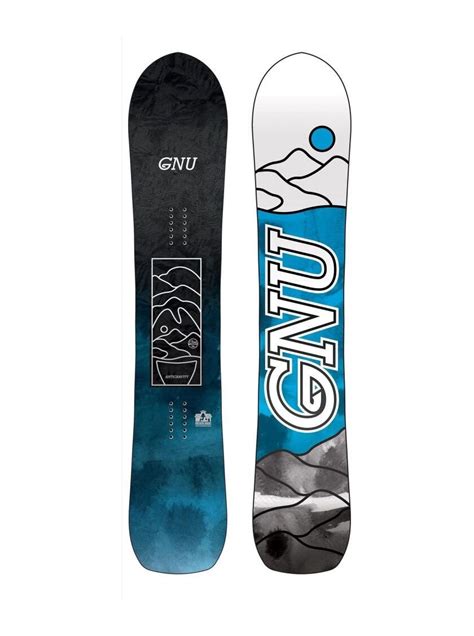
When you get the Gnu Antigravity in powder you’re not getting early rise like you would with the more forgiving, floaty Lib Rig that has almost the same shape but a different camber profile and stiffer flex. It’s about on par float-wise with the stiffer 56 Dynamo. Both are good for being almost full camber and I like the more recent version of the Antigravity vs. the older version with the nose that has less surface area. Gnu Antigravity’s new nose with more surface area and tail with less make this almost full camber ride float better.
You don’t get much more setback on board vs. sidecut for directional float in pow, but it’s pretty competent for an all-mtn board. With a 22.75″ stance width, you can get -2.25″ back from the center of the board. That is pretty good for all mountain, but not having any real early rise in the nose takes away from the float compared to many non-tapered mountain boards, with some happening there. In 1.5 feet of thick PNW powder, the Antigravity was struggling compared to the Mullair I compared it against and even more so with the Lost RNF.
Jibbing and Freestyle
It’s more doable switch than the shape would leave you to believe. This is soft enough to jib with, but the passive bend in the middle might feel weird compared to flat to rocker or normal camber. The Gnu Antigravity can hit kickers well, too. This would be fun in the pipe and this is a very poppy energetic jump board. The Anti-Gravity for me has this really dynamic energy that is very easy to engage on an ollie. It still has a really solid pop even without any carbon under the topsheet. This tracks very well into small side hits as well as well as most size kickers in the park if you want to go there. It’s an excellent pipe board as well as not bad if you like to jib as well. The med/soft flex works well there. Especially when the Antigravity breaks in.
I was surprised at how well the Gnu Antigravity buttered for being C3. This is one board quiver that rides pretty centered on groomers and is good to great switch. But, unlike mountain freestyle twins, you can set it back in powder to get an easier float.
Setback On Board vs. Sidecut
There is a little setback on board, but at a 22.75″ stance width set all the way back, you can get about a 2.25″ setback on board.
Ideal Conditions
Conditions: Some firm but mostly fun snow with some micro bumpy spots.
2023 GNU Antigravity Snowboard Review (2024 Same Tech; Different Graphic) | Curated
Alternatives
If you want something more Directional, Tapered, and Set back with better float in powder, check out the Freeride, Alt Freeride, Short Wide, and Snowsurf Favorites.
- Jones Rally Cat: It’s got a lot of camber, yet it’s very forgiving, thanks to the lifted sides. It’s got a lot of pop for an ollie, but it’s easy to butter, and the lifted sides don’t feel too washy. You can set it 2.125” back from the center of the board at a 22” stance width to get a decent float in powder. It’s mostly camber, but with lifted sides and a little early rise, it feels forgiving and more floaty than full camber. Medium/fast to fast Turn Initiation. Spoon tech can feel a touch washy in harder snow.
- Jones Frontier: It’s got a much stiffer flex than what’s listed on Jones’ site the last few years. Medium-Stiff: It has Good but not upper-tier pop on an ollie or spring out of a turn. Exceptional Carver. Very good setback directional float for an all-mtn board. Damp in soft, uneven snow. It is on the stiffer side for All-MTN and has a touch on the heavy side.
- Korua Otto: It outshines many boards on the above $500 list when it comes to having a special carving experience, pop on an ollie, dampness at speed, and floats in powder. I own this in a 157. Directional Camber with decent early rise in the nose and moderate early rise in the tail to make it somewhat forgiving and very stable for this much camber while being very floaty when set back for powder. The sidecut grips well for no disruption and gives you a very balanced turning experience.
- Ride Shadowban: It has a slightly set-back mellow camber with a little more early rise in the nose compared to the tail. It’s stable like a camber but very forgiving. You have a pretty medium flex that feels softer/easier to butter on snow than it does in the studio. A multi-radius sidecut has a competent but not all-time grip in firm to hard snow, and it’s not ideal on ice. It has Exceptional Grip and excellent Pop. Catchy.
tags: #gnu #antigravity #snowboard