Switzerland is renowned for its exceptional ski areas, steeped in rich history and offering a diverse range of experiences. Holidaymakers can find everything from solitary huts and car-free ski resorts to luxurious and glamorous destinations. With 74 mountains towering above 4,000 meters, Switzerland provides a breathtaking backdrop for winter sports enthusiasts.
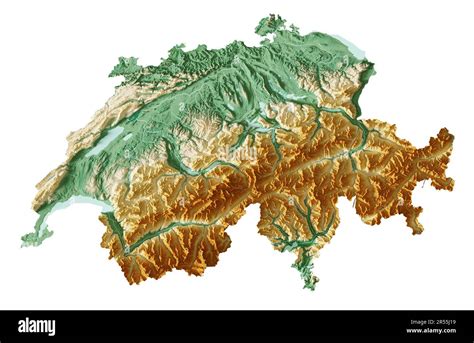
Relief map of Switzerland
Iconic Swiss Mountains and Ski Regions
Twelve of Switzerland's towering peaks are located in the Wallis Alps, including the world-famous Matterhorn (4,478 m), which overlooks the glamorous ski village of Zermatt. Equally well-known is the trio of Eiger (3,970 m), Mönch (4,107 m), and Jungfrau (4,158 m) in the Bernese Oberland. Every year, Wengen hosts the famous Lauberhorn world cup ski race.
From Grindelwald, a cog railroad takes you to the Jungfrauen Joch (3,454 m), the highest train station in Europe.
Located south of Lake Geneva, the ski region of Les Portes du Soleil guarantees border-free skiing enjoyment. This union of 12 French and Swiss districts is the largest ski region in the world, boasting 580 kilometers of pistes and 194 lifts, rivaling "Les Trois Vallées" in France.
Read also: Discover Swiss Skiing
A Legacy of Winter Sports
In 1956, St. Moritz, Switzerland, hosted the Winter Olympics, achieving honors and solidifying its reputation as a premier destination with glamorous flair and an excellent ski area.
Understanding European Ski Slopes
When planning a ski trip to Europe, it's important to understand the differences in slope designations compared to North America. Here's a quick guide:
- Blue: Easy slopes
- Red: Intermediate slopes (more similar to Blue slopes in North America, with steeper and narrower terrain)
- Black: Expert slopes
- Orange or Double Black: Extremely difficult slopes (for very experienced skiers only)
- Yellow: Ungroomed and unpatrolled routes, usually off-piste (should be attempted with caution)
While ski-patrolled backcountry skiing is common in North America, it's less prevalent in Europe. The large mountains present a greater risk of avalanches when going off-piste, and skiers take that risk into their own hands, as these areas are not monitored by ski patrol.
Top 10 Ski Resorts in Switzerland | 2025/2026
Après-Ski Culture and Culinary Delights
As the birthplace of "Après-Ski," Europe continues to honor this tradition, offering a vibrant all-day, on-mountain après culture. Refined food choices are available both on the slopes and in the historical mountain villages nearby. Given the proximity of these old villages and chalets to the lifts, ski-in ski-out accommodations are abundant in Europe.
If you've decided on a winter holiday in Switzerland, you'll find a great selection of ski huts, bars, casinos, and party locations. There are also various relaxing and sporting opportunities available, such as saunas, massages, fitness centers, heli-skiing, horse-drawn sleigh rides, ice skating, tobogganing, squash, badminton, and bowling.
Read also: British Columbia Ski Resorts
Most of the larger ski areas offer a varied program of activities, including torch runs, ski races for guests, ski tours, and nighttime snowshoe hikes. Every ski area has a wide range of restaurants, pubs, and snack bars to suit everyone's taste.
Swiss Culinary Specialties
When you think about food and drink in Switzerland, the first thing that usually comes to mind is famous Swiss cheese. Therefore, it's not surprising that cheese fondue and Raclette originate from Switzerland. You will not find a ski resort that doesn't offer both of these specialties. Switzerland is also world-famous for producing top-quality chocolate.
Further Swiss specialties include Rösti, Bündnerfleisch (a type of dried meat), Zürcher Geschnetzeltes (veal stew from Zurich), carrot cake, and Swiss muesli.
Essential Tips for Skiing in Europe
Here are some essential tips to keep in mind when planning your ski trip to Europe:
- Mountain Size: The mountains in Europe are generally bigger, steeper, and span across more towns and villages than those in North America.
- Lift Types: T-Bar or “drag” lifts are more common in Europe, but most gondolas are technologically advanced, with some having heated seats and Wi-Fi onboard.
- Lift Lines: Be prepared for less organized lift lines that require more aggressive shuffling than in North America.
- Crowds: Plan for bigger crowds ahead of time by researching school holidays, as they differ from those in North America.
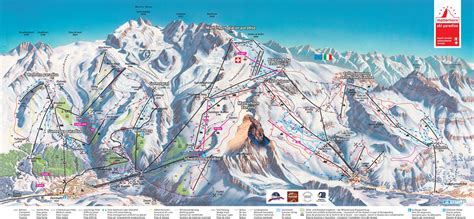
Ski map of Zermatt
Read also: Oregon Ski Areas