For Americans, states matter a lot, setting the framework for how we think about politics, sports loyalties, weather, economics, wealth, transportation, recreation, and just about every other facet of American life.
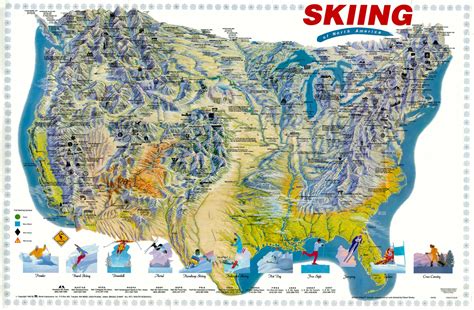
This raises an interesting question: which state has the most ski areas? It may surprise many that the answer is not Colorado.
The number of snow ski areas and resorts in the United States peaked in the late 1960s at around 1000 areas. Since then, many small, rope-tow-only areas have closed or consolidated.
States with the Most Ski Resorts
According to the latest data, here are the states with the highest number of ski resorts:
- New York: 50
- Michigan: 43
- Colorado: 41
- Wisconsin: 36
- California: 33
- New Hampshire: 28
- Pennsylvania: 25
- Vermont: 25
- Idaho: 22
- Utah: 20
Skier Visits: A Different Perspective
While the number of ski areas is one way to measure a state's ski presence, skier visits offer another perspective. Colorado, in fact, accounts for approximately the same number of skier visits as the bottom 25 ski states combined, which together are home to 232 ski areas.
Read also: WI Snowmobile Regulations
The numbers come from the ski industry’s definitive annual update: the Kotke End of Season & Guest Experience Report, compiled by RRC for the National Ski Areas Association.
Skiable Terrain: Aligning with Lived Experience
Skiable terrain provides yet another way to contextualize ski states. Skier visits begin to more closely align with the actual skiable footprint. The acreage totals for Colorado, California, and Utah roughly mirror their percentage of total skier visits.
However, these figures expose additional nuance when considered alongside the charts above: Vermont, ranked eighth by skiable terrain, ranks fourth in skier visits (again, likely because ski areas in the East and West tend to measure skiable terrain in different ways).
Idaho, ranked fifth by skiable acres with 17,227, is number 11 by skier visits, suggesting that this is the place to dodge crowds. To underscore the point: Idaho’s skiable area is just a touch below the combined 17,333 acres occupied by New England’s six states and 99 ski areas, which together account for more than four times the skier visits.
New York - tops by number of ski areas - ranks 11th in the skiable terrain category. And the state’s 5,047 total acres add up to less than the skiable footprint of 5,317-acre Vail Mountain.
Read also: What is a PTO?
Here's a table summarizing the top states by ski areas, skier visits, and skiable terrain:
| State | Number of Ski Areas | Skier Visits (Approximate) | Skiable Terrain (Acres) |
|---|---|---|---|
| New York | 50 | Relatively Lower | 5,047 |
| Michigan | 43 | Moderate | N/A |
| Colorado | 41 | Highest | Significant |
| Wisconsin | 36 | Moderate | N/A |
| California | 33 | High | Significant |
| Vermont | 25 | High | Significant |
| Idaho | 22 | Lower | 17,227 |
| Utah | 20 | High | Significant |
Top 10 Ski Resorts in the US | 2025/2026
Factors Influencing Ski Area Distribution
The number of ski areas has generally trended downward over the years, as evidenced by 20 years worth of data that shows 622 resorts operated in the 1987-1988 season, compared with 473 that were in operation last season.
Let’s use Colorado as an example of how and why we see the closure of ski resorts across the country.
Several factors can contribute to the closure of ski resorts, including:
- Financial problems
- Accidents and malfunctions
- Changing ownership
- Funding issues
For example, Ski Broadmoor in Colorado Springs, once a prominent ski area, closed due to the city being unprepared to take on the responsibility of managing it. Similarly, Geneva Basin Ski Area faced financial problems and a chairlift accident that led to its closure.
Read also: Chicago Blackhawks Win