When selecting a hockey stick, one of the most critical aspects to consider is the stick’s flex. Hockey stick flex is a critical component of your equipment, influencing everything from shot power to puck handling. By understanding the factors that affect flex and experimenting with different options, you can find the perfect stick to elevate your game. This article will help explain some of those options and help you find out which one is best for you!
What is Hockey Stick Flex?
Hockey stick flex refers to the stiffness of a hockey stick shaft. It determines how much the stick will bend when force is applied, such as during a shot or pass. Hockey Stick Flex is the term used for the bending of the stick during shooting. When you shoot, your stick will bend as it makes contact with the puck, creating a “hinge-like” effect, and increasing shot power. The flex is typically measured as the amount of force (in pounds) required to bend the stick one inch. Stick flex is measured by placing the stick horizontally and applying force until it bends one inch.
How Does Flex Impact Play?
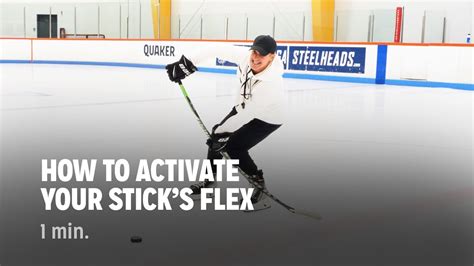
Hockey Stick Flex is when the stick bends as it hits the ice, just before making contact with the puck. The spring-like effect created here releases the stored energy from the stick into the puck. And utilizing the right Hockey Stick Flex can greatly improve your shot accuracy, power, and efficiency.
Getting an Ice Hockey Stick that is too “whippy”, meaning a flex that is too low for you, can decrease your shot speed due to it not being resistant enough to store power in the shaft. Conversely, an Ice Hockey stick that is too “stiff”, meaning a flex that is too high for you, will make it much harder to bend the stick, therefore not enough bend to actually create power in the first place. Finding the right balance of these two is what you are looking for.
Choosing the Right Flex
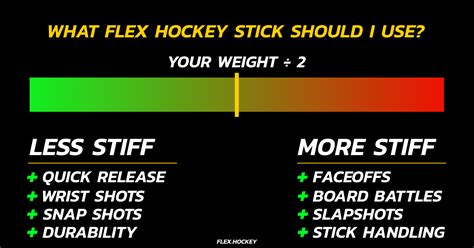
When first starting out with the game of Ice Hockey one of the first questions that will come up is “What flex Hockey Stick should I use”? A good place to start when choosing Hockey Stick Flex is to try out a hockey stick with a flex rating that is half of your body weight. For example, if you are 140 pounds, a good place to start would be with a 70-flex stick. That said, all players will have different preferences based on their primary shot type, ability to use the stick effectively, and so on. Often times, your primary shot of choice will be one factor in determining what flex you want to go with. A player that takes quick wrist shots might opt to go with a lower (than half their body weight) flex stick because they need the stick to flex quicker to fire the puck off faster.
Read also: Features of Custom Hockey Gloves
The best way to find your ideal flex is to test various sticks. A player’s body weight and shooting power directly influence the amount of force they can apply to a stick. Divide your weight (in pounds) by two to get a starting point for your ideal flex. Youth players should use a flex approximately half their body weight.
GENERAL SIZING RECOMMENDATION: We recommend choosing the flex rating that puts your specific height and weight at the middlemost point in both categories. A common rule of thumb is to select a flex rating by dividing your body weight in two and subtracting another 10-15 flex points.
Hockey Stick Flex Chart
The Hockey Stick Flex Chart provided below is a good general starting point when determining what flex hockey stick you should go with. That said it is just a general guideline, so it is always recommended to try out different flexes and heights to determine which option would suit you and your play style the best.
Hockey Stick Flex Chart
Read also: The story of Craig Needham
If you are a newer player, you will want to go with 10 flex than your body weight. So, if you are a new player that weighs 160, try out a 70 flex stick. This will help you develop shot speed because you will be able to better utilize the flex of the stick. The most popular stick flexes for most senior players, regardless of weight, is within the 75 to 90 flex range.
Common Stick Flexes by Age Group
- Youth: 40 flex
- Junior: 50 flex
- Intermediate: 60 flex
- Senior (regular): 85 flex
- Senior (stiff): 100 flex
The Hockey Stick Flexes listed above are the most common flexes for each age category. Finding the right Hockey Stick Flex takes time, practice, and may not be identical to the ones listed above. Try out different Hockey Stick Flex Ratings and determine which one works best for you and your play style.
NHL Player Stick Flex Examples
Understanding the relationship between a hockey player's stick flex, weight, and play style can offer valuable insights into their performance. Recently, we have seen a majority of NHL forwards using lower Hockey Stick Flex Ratings. With the increase in speed of today’s game, forwards are utilizing these lower flex sticks to help them get the puck off their blade as quickly as possible.
Here are some examples of NHL player stick flex choices:
- Alex Ovechkin: 80 Flex CCM Hockey Stick
- Auston Matthews: 80 Flex Bauer Hockey Stick
- Connor McDavid: 85 Flex CCM Hockey Stick
- Leon Draisaitl: 95 Flex Warrior Hockey Stick
- Mitch Marner: 85 Flex True Hockey Stick
Read also: Inside Aaron Ness's Career
What Flex Hockey Stick Should I Use?
Additional Considerations
Cutting a Hockey Stick
Cutting a hockey stick down can affect how the stick feels and plays. Cutting a hockey stick down one inch will add around 3-5 flex. Most Hockey Stick manufacturers like Bauer, CCM, and Warrior add measurements to the back of the stick, at the top, showing what the flex of the stick would equate to depending on how much is cut off.
Does Flex Affect Accuracy?
Yes, Hockey Stick Flex can affect accuracy. Choosing a Hockey Stick with flex rating that is too low can negatively affect accuracy due to too much stress being put on the shaft during shooting. This can give an uncontrolled feel as soon as the blade makes contact with the puck and into the follow through.
A Hockey Stick that has a flex rating that is too high can increase accuracy because there is less energy being transferred into the shaft of the stick.
Note: We will match or beat any posted overall price advertised in-store or online on in stock items. Also, our customer service team is made up of hockey gear fanatics and they are happy to answer any equipment performance and sizing questions. They are the best in the business with over 1,000 five-star reviews!