When temperatures drop and the wind starts to bite, the right face covering can be the difference between calling it early and chasing one more run. Finding the right face covering can be tricky, so we took the guesswork out of it. With so many options for ski face coverings out there, which one works best for you will depend on your specific needs. Use this guide to help comb through the jargon and find the best fit for your ski trip.
Face coverings come in all shapes, sizes and weights. To evaluate the best ski and snowboard face coverings, we tested them in real-world winter conditions across Wyoming, Colorado, Utah, and Canada. We swapped face coverings throughout the day to compare warmth, fit, and breathability in identical conditions - from frigid lift rides at Jackson Hole Mountain Resort to stormy backcountry tours in Grand Teton National Park.
One of the most important questions to ask yourself is: What sort of skiing or recreating am I planning on doing, and what other gear will I be wearing while I do this? Nordic skiing and skinning up a mountain while backcountry skiing require a lot of lung power, especially at higher altitudes. Snowshoeing, meanwhile, is a hard workout, but the intensity can be controlled as it’s easier to change pace as needed. While, of course, downhill skiers and snowboarders also need a level of breathability, your heart and lungs aren’t typically pumping as intensely as other pursuits, so you may not need as much.
In some areas of the world, winter is the longest season with the shortest days. The best way to pass the time is to lean into the spirit of things and work with the seasons, not against them. Whether you’re lucky enough to live in such a place or just visiting for vacation, it’s important to properly protect yourself against the elements.
Key Considerations for Choosing a Ski Mask
When buying a ski or snowboard mask, consider if you want a full head covering or simply a neck gaiter or face cover. The most effective face covering for skiing or snowboarding should cover critical areas exposed to the elements, including the neck, chin, cheeks, and sometimes the nose. Yet, it’s essential that the mask does not interfere with your helmet or goggles. We recommend trying on your face covering while wearing your other accessories.
Read also: Why Choose a Fur Ski Mask?
Check that the bottom of the mask tucks under your jacket collar to keep out drafts and that there’s a seamless interface with your helmet and goggles to avoid fogging and ensure a wide field of vision. Other important factors include fit and versatility, such as the ability to be worn over the whole head or only the face or neck with a transformation.
Material Matters
Some people have general preferences for certain materials, whether synthetic or natural, and that can be an easy place to start. Wool keeps you warm even when wet, so that’s an advantage when recreating in winter. Synthetic coverings like the Turtle Fur Quantum Luxe Balaclava offer different benefits like cozy fleece or high breathability. In addition to the type of fabric, thickness, and breathability are critical considerations as well.
None of the masks we reviewed are cotton, and for good reason. Cotton retains moisture, which means it can freeze your breath. It can also collect snow and work against you when your body is trying to stay warm. This depends on the conditions you ski in. If, like most of us, you wan to shred on powder days, you will inevitably ski while it’s still storming at some point. On these days, you will likely want a balaclava or something with a hood, like The North Face Whimzy to keep you warm, comfortable and safe.
Fit and Comfort
When choosing a face covering for skiing or snowboarding, fit is paramount for ensuring comfort, functionality, and protection from the cold. A well-fitted ski mask should conform snugly to the contours of your face and head without being too tight or overly loose. Look for a face covering that securely hugs your face and head. It should sit comfortably without any gaps where cold air can sneak in.
However, be wary of coverings that feel too tight, as they can restrict breathing or cause discomfort, especially when worn for extended periods. Some face coverings come with adjustable features, such as drawstrings, Velcro straps, or flexible nose bridges, allowing wearers to tailor the fit to their specific needs. This customizability is particularly valuable for achieving the right balance between snugness and comfort.
Read also: Exploring the World of Hello Kitty
A face covering should fit loosely around the face with plenty of fabric to move up and over the ears. Balaclavas should fit snug enough around your head and face that they don’t move around as you move your head or slide in front of your eyes, but loose enough that they don’t constrict movement. Neck gaiters should pull securely around your chin and nose if lifted but bunch comfortably around the neck when worn as a gaiter.
Breathability
When selecting the best face covering for skiing, breathability stands out as a key factor for both comfort and functionality on the slopes. While a snug fit is crucial, the mask must also allow for comfortable breathing, especially during rigorous activity. Look for models with venting options or breathable materials, particularly around the mouth and nose, to prevent moisture buildup inside the mask that can lead to dampness and cold. One standout option is the Buff Mountain Bandana.
There are lots of factors to consider when deciding what sort of coverage is best for you, and an important place to start is what sort of weather conditions you expect. Depending on where you’ll be skiing or recreating, you may need full protection from high winds and extreme cold, or you may benefit from more breathability and the ability to shed layers easily. Altitude can also be a factor, as the sun is less filtered, yet the thin air can make it harder to breathe.
For face, check, and neck coverage, choose the Buff Mountain Bandana, while the REI Wind Pro Hinged Balaclava provides full coverage for the most brutal conditions. While the REI Wind Pro Hinged Balaclava is designed more for extreme cold rather than prioritizing breathability, its hinged design allows for flexibility in how you wear it, giving you the option to uncover your mouth and nose for easier breathing when conditions permit.
Types of Face Coverings
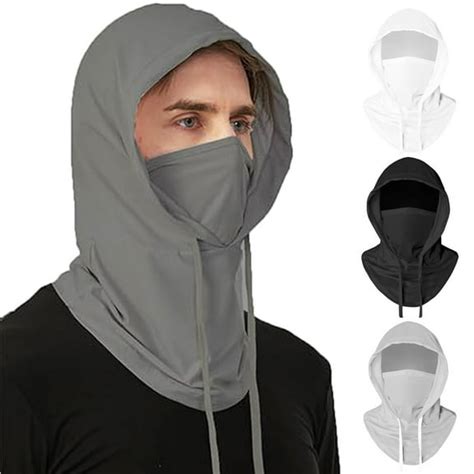
A balaclava offers full head, face, and neck protection, whereas a ski mask typically covers just the face. A balaclava provides full head, face, and neck coverage, making it ideal for extreme cold and high-intensity activities like skiing or snowboarding. It offers warmth and protection for the entire face and is designed to shield from wind and cold in harsh environments. A headliner, on the other hand, is typically lighter and designed to fit comfortably under helmets or other headgear.
Read also: The symbolism of the Irish Flag Balaclava explained
Balaclavas designed with wind-blocking fabrics like Neofleece® and fleece offer superior protection against cold winds. Neofleece® is specifically engineered to block wind while maintaining breathability, making it ideal for harsh conditions. Fleece also provides excellent insulation, helping to trap heat and shield your skin from cold air.
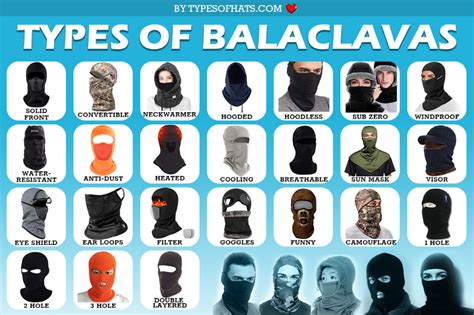
Types of Balaclavas
- Full Face Balaclava: Full head and face coverage, perfect for extreme cold. A full-face balaclava shields your entire face from the wind, snow, and freezing temperatures, providing maximum warmth and protection.
- Combo Clava: A versatile design that can be worn as a full-face mask or pulled down as a neck gaiter. Fleece balaclavas are perfect for maintaining warmth without sacrificing breathability.
- Convertible: Convertible balaclavas allow you to adjust the coverage based on your activity and weather conditions. These flexible designs make it easy to switch between full coverage and more open styles, depending on the temperature and your activity level.
- Hinged: Hinged balaclavas are designed for flexibility, allowing you to easily adjust the mask for ventilation when needed. This style is designed for comfort, offering more space around the head while still protecting from the cold.
Why You Need a Balaclava for Cold Weather Protection
A balaclava is an essential piece of cold-weather gear for those who face cold weather head-on. Whether skiing, snowboarding, or working outside, a balaclava provides the ultimate protection for your head, face, and neck, ensuring you stay warm and shielded from the elements.
The most obvious purpose of the balaclava is to keep the wearer warm and dry. Because balaclavas cover the head and lower part of the face, heat from the top of your head doesn’t escape, but the breathable material of balaclavas prevents fogging on goggles. For winter sports lovers the balaclava is a trusted best friend. Skiers and snowboarders utilize this handy item to protect them from chapped skin and, in extreme conditions, frostbite. Winter mountaineers wear balaclavas for added warmth and protection.
What You NEED to Go Skiing - A Beginners Gear Guide
Price and Value
There isn’t a ton of price variation in face coverings and all the ones we’ve reviewed fall between $26 and $40. Typically, the more technical options will cost a bit more. Choose the best option based on your needs and the features you find most important. You can find a solid budget face covering for $15-30.
Face coverings within this price range ($30-38) are still simpler tube designs. However, they may be a bit more versatile in the way they can be worn and/or more technical. Balaclavas and hooded designs fall into this range ($40 and up). Premium face coverings will provide full-face protection and will often have waterproof or water-resistant materials, and sometimes options for customizing fit.
Table of Recommended Face Coverings:
| Face Covering | Price Range | Key Features | Best For |
|---|---|---|---|
| Outdoor Research Trailmix Ubertube | $26 | Comfortable, versatile, breathable, wicking, quick-drying | Budget-conscious users |
| Buff Move Multifunctional Neckwear | $35 | Versatile, adaptable to various activities and conditions | All activities and conditions |
| Buff Mountain Bandana | N/A | Breathable, warm, unique design | Hard efforts in windy conditions |
| Turtle Fur Quantum Luxe Balaclava | $43 | Comfortable, option to wear with or without hood | Alpine and nordic skiing, snowshoeing |
| REI Wind Pro Hinged Balaclava | N/A | Water-resistant, full-coverage protection, breathable | Extreme cold and precipitation |
Care and Maintenance
Follow Seirus’ care instructions to maintain your balaclava’s performance. Most balaclavas can be hand-washed or machine-washed on a gentle cycle. Air dry to retain the fit and shape. Store your balaclava in a dry, cool place when not in use to prevent damage like mold and mildew. Proper storage ensures your balaclava stays in excellent condition and is ready for your next adventure.
To prolong the life of your balaclava, avoid exposing it to extreme heat from sources like irons and dryers. Always follow care instructions for washing and drying to prevent damage.
Absolutely! Hand wash or machine wash on a gentle cycle, and air dry. Make sure your balaclava is clean and dry before packing it away for the season.
tags: #essentials #ski #mask