Hakuba, located in the majestic Northern Alps of Japan's Nagano Prefecture, is an internationally renowned mountain resort that hosted the 1998 Nagano Winter Olympics. It attracts visitors from around the world for its exceptional snow and winter sports
Giro in Hakuba: One of Japan’s Deepest Winters
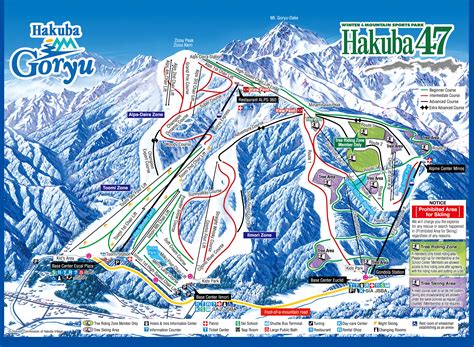
Ten different resorts, 135 lifts and more than 200 runs - all pummeled by regular powder top-ups throughout the snow season. More than 11 metres of snow (known as yuki in Japanese) tops up the ski slopes on an average year in Hakuba. Heading to Hakuba for the first time? From late November through March, Hakuba’s 10 local resorts are blanketed with light and dry yuki, Japanese for snow.
Like in Niseko, plenty of Western food and accommodation options have popped up in Hakuba to cater to the growing international market. Most restaurants have English-speaking staff and you can get by without knowing a word of Japanese (if that’s how you like to travel). But there are still some secret powder stashes and unique cultural experiences that you won’t find anywhere else in the world.
Planning Your Trip
Winter seasons are always a toss up as to when the getting will be good, but the safe bet is to book a January or February trip if you want guaranteed powder. Don’t worry too much if the snowfall is minimal in December: there is a saying that declares “once the Japanese powder window opens it stays open”. The slopes can be busy during the January school holidays but quieten down in late February and March.
Getting There
There are a few airlines that fly daily to Tokyo, such as Qantas and Jetstar. Flights can be as cheap as $500 one-way on sale prices. If you book with Jetstar, beware the luggage limits and read the fine print on your ticket carefully. In most cases, you will need to purchase extra and oversized baggage. Especially if you are travelling with a ski or snowboarding bag.
Read also: Best Hakuba Ski Resorts
Once in Tokyo, getting to Hakuba is a quick trip via bullet train or bus.
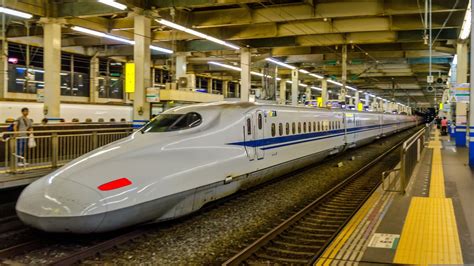
- By Hokuriku Shinkansen: Take the Hokuriku Shinkansen from Tokyo Station or Ueno Station to Nagano Station. The journey takes about 80 to 100 minutes. From Nagano Station, transfer to an express bus heading to the Hakuba area, which takes an additional 60 to 90 minutes to reach major points in Hakuba. About ¥11,440, including a transfer to an express bus at Nagano Station, in total takes about 3-4 hours.
- By JR Azusa Limited Express train: Take the JR Azusa limited express train from Tokyo's Shinjuku Station to Matsumoto and transfer to a local train on the JR Oito Line to Hakuba. Some Azusa limited express trains run all the way to Hakuba. The one way journey takes about 4 to 4.5 hours and costs around 8000 yen. ¥8,050, goes all the way from Shinjuku to Hakuba Station, takes about 4 hours.
- By Alpico Highway Bus: Several bus companies operate buses between Tokyo (Busta Shinjuku or Tokyo Station) and Hakuba, where the buses stop in the village center and at the bases of selected ski resorts (in summer they stop at the Hakuba Happo Bus Terminal). The one way journey takes around 5 hours and costs about 5,000 to 10,000 yen depending on the company and day of travel.
The train journey has both good and bad point going for it: riding the 300km/h bullet train is exciting for first-timers, but the journey requires three connections and can be tricky with baggage. If you are travelling with a family, the easiest option may be to book a transfer from the airport direct to your accommodation with the Nagano Snow Shuttle.
Getting Around Hakuba
Hakuba Valley includes 10 different ski resorts surrounding the most central town area - which is closest to a resort called Happo-One (pronounced oh-nay, not “one”). You can buy multi-day Hakuba Valley tickets, which give you access to any of these resorts and are useful if you want to ski two resorts in one day (some resorts like Cortina and Norikura are connected via lift access, and it’s great to be able to ski both). You will also save time not lining up for tickets each morning.
For anyone taking a Hakuba snowboarding trip, we highly recommend renting a car. With 10 ski resorts spread across Hakuba Valley, a rental car is a convenient way to explore the area at your own pace. Rental cars and vans are readily available in Hakuba, making it easy to access the different resorts and nearby attractions.
To rent a car, you’ll need an International Driver's License along with your national driver’s license.
Read also: Exceptional Snow Conditions in Japan
Hakuba Ski Resorts
The Hakuba Valley is home to ten unique ski resorts, each offering its own distinct experience. Here's a guide to help you choose the best resort for your skill level and preferences.
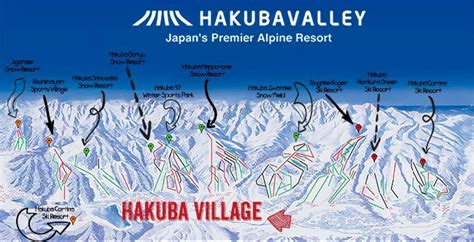
Hakuba Area Ski Resorts
Hakuba Village, the heart of Hakuba Valley, is home to five of its 10 ski resorts: Hakuba Sanosaka Ski Resort, Able Hakuba Goryu, Hakuba47 Winter Sports Park, Hakuba Happo-One Ski Resort, and Hakuba Iwatake Snow Field.
- Hakuba Happo-One Ski Resort: Located in the center of Hakuba Village, Happo-One is one of the largest ski resorts in the valley, featuring 14 courses, the longest run of 8,000m, and a vertical drop of 1,071m. The upper slopes are known for deep, dry powder, while the resort offers plenty of ungroomed terrain for powder enthusiasts. As a venue for the 1998 Nagano Winter Olympics, the resort is known for its steep slopes, particularly near the summit, making it a prime destination for advanced skiers.
- Hakuba Goryuand 47: Hakuba Goryuand 47 have extensive terrain for intermediates and advanced skiers, and 47 is popular among snowboarders for its terrain park. Take the gondola to over 1,500m altitude and enjoy some of the finest powder snow in Hakuba. The resort's base, Escal Plaza, is the largest in the area, offering restaurants, shops, sports stores, day-trip hot springs, and nap facilities. Next door, the Hakuba47 Winter Sports Park is renowned for its high-quality snow park and abundant tree runs for a more active, freestyle experience.
- Hakuba Iwatake Snow Field: Iwatake boasts excellent course conditions, with trails offering stunning views of the Northern Alps and a mix of groomed and ungroomed runs. It’s well-regarded for its diverse terrain and scenic atmosphere, making it a favorite among skiers and snowboarders.
- Hakuba Sanosaka Ski Resort: Located in the southernmost part of Hakuba Village, Hakuba Sanosaka Ski Resort offers an attractive setting surrounded by forests and lakes. Easily accessible from the Joshinetsu Expressway Nagano IC or Nagano Expressway Azumino IC, this is a smaller, relaxed resort with 80% beginner to intermediate courses. It offers leisurely skiing with views of Lake Aoki at the foot of the mountain. The smaller size means less competition for powder, making it ideal for a more laid-back riding experience.
Otari Village Ski Resorts
Otari Village, located in the northernmost part of Hakuba Valley, is the most remote area in the region. Due to its proximity to the Sea of Japan, it receives abundant snowfall, making it a treasure trove of powder.
- Tsugaike Kogen Ski Resort: With a summit elevation of 1,704 meters, Tsugaike offers excellent snow conditions throughout a long season, often extending until early May. The resort features the TSUGA POW DBD tree run area, accessible after taking a safety lecture. The lower slopes offer a wide, gentle slope with a 1,200-meter width, making it suitable for everyone, from beginners to advanced skiers.
- Hakuba Norikura Onsen Ski Resort: This resort offers a variety of terrain, from flat, gentle slopes to well-groomed runs and steep pitches with plenty of powder snow.
- Hakuba Cortina Ski Resort: Adjacent to Norikura, Cortina is famous for its 100% natural powder snow, abundant snowfall, and excellent snow quality. The tree skiing in Hakuba can be phenomenal. Tree skiing is best (and one of the few areas where it is allowed by ski patrol) at Cortina, which is a little steeper than the other resorts and can be fantastic on a powder day. Unfortunately, the Cortina secret is well and truly out as it can also be the most crowded place on a powder day.
Omachi Area Ski Resorts
The Omachi Area, located in the southern part of Hakuba Valley, features two ski resorts-Jigadake Ski Resort and Kashimayari Ski Resort. Situated inland, these resorts benefit from light, dry snowfall with low humidity.
- Jigadake Ski Resort: This resort is known for its beginner to intermediate slopes, making it a popular choice for families and newcomers to skiing or snowboarding. The wide, gentle slopes offer good visibility, providing an ideal setting for those making their debut on the snow.
- Kashimayari Ski Resort: With a total downhill length of 5,000m, this resort offers a mix of terrain, including fun tree areas. However, with a recent shift to a more family-friendly approach, many of the advanced courses have been closed, and the resort has reduced in size.
Lift Ticket Prices
Here's a summary of lift ticket prices for some of the most popular ski resorts in Hakuba Village:
Read also: Skiing at Brighton at Night
| Resort | Full-Day Ticket (¥) | Half-Day Ticket (¥) | Night Skiing |
|---|---|---|---|
| Cortina | 5,800 | 5,000 | TBC |
| Norikura | 5,800 | 5,000 | N/A |
| Tsugaike Kogen | 7,500 | 6,000 | N/A |
| Iwatake | 6,500 | 6,000 | N/A |
| Happo-One | 8,000 | 6,600 | N/A |
| Hakuba 47 | 8,500 | 7,300 | N/A |
| Hakuba Goryu | 8,500 | 7,300 | N/A |
You can buy multi-day Hakuba Valley tickets, which give you access to any of these resorts and are useful if you want to ski two resorts in one day
Tips for Skiing Powder in Japan
Most resorts have strict rules about going off-piste and in some you must attend an avalanche briefing to receive a tag or vest that enables you to go into designated “powder zones” (Tsugaike and Goryu specifically require this). The ski patrollers are extremely strict on those gaijin(foreigners) who ski under ropes. They will take your pass.
Where to Stay
There are three main neighborhoods in Hakuba; these are Echoland, Happo and Wadano. Most hotels are close to the ski slopes of Happo-One in Happo and Wadano and are serviced by regular inter-resort shuttle buses. It’s probably most convenient to stay in a hotel near a shuttle bus stop because the shuttles (free with the purchase of a Hakuba Valley Lift Pass) are essentially your ticket to ride other resorts. Hakuba.com offers some really cheap package deals that include accommodation at well-located hotels, lift tickets and more.
The Happo, the Tokyu Hotel, and Phoenix Hotel & Chalets all have shuttle stops pretty much outside their front doors. The luxe Phoenix Hotel is operated by a lovely Australian couple, Sally and Peter, who are all too happy to chauffeur their guests out to dinner or to the slopes each day. The Happo is extremely convenient because shuttle buses stop at its doorstep, and it is just a 2-minute walk in ski boots to the central Hakuba bus station. This is where you can catch buses to Cortina and further afield. The Happo is among the newest and most modern hotels in Hakuba and features an in-house onsen for guests.
Recommended Accommodations
- The Guest House Japan Hakuba: Boasting a garden, terrace, shared lounge and free WiFi, The Guest House Japan Hakuba is situated in Hakuba, 2.8 km from Hakuba Iwatake Ski Area and 16 km from Hakuba Cortina Ski Area.
- Eternal Flame: Features a restaurant, bar and free WiFi. Free parking is available on site.
- Hakuba Skala Inn: Has both Western rooms and Japanese rooms, which have traditional futon bedding on a tatami (woven-straw) floor. In the lounge, guests can relax on the sofa. Breakfast is served at the dining room.
- Hotel Soyokaze: Is a 5-minute ride from the Hakuba Valley and 2.6 km from JR Hakuba Station. A free 2-way shuttle to Hakuba Station is provided.
- Pension Tomato: A 10-minute drive from Hakuba Happo-One Winter Ski Resort, Pension Tomato offers spacious Western-style rooms with a loft area. Free WiFi is available at the entire property and guests can reserve a private open-air bath overlooking the forest.
- Bergtour Marukita: Featuring an indoor and an open-air hot spring bath, Bergtour Marukita offers Japanese-style rooms, free wired internet and Japanese multi-course (kaiseki) dinners.
- Hakuba Kaze no Ko: Situated 11 km from Tsugaike Kogen Ski Area, Hakuba Kaze no Ko offers 1-star accommodation in Hakuba and has a garden, a terrace and a shared lounge.
- Log Cottage Epoch: A 10-minute walk from Happo One Ski Resort, guests at Log Cottage Epoch can rent out an entire cottage. Each spacious cottage comes with free Wi-Fi and includes a kitchen and a living room.
- Happo Kan: Only a 3-minute drive from Hakuba Happo-One Ski Resort, and brings its guests cosy Western and Japanese-style rooms, a hot spring bath and free Wi-Fi at the lobby.
Where to Eat
From wagyu feasts to Melbourne-quality lattes and sushi that’s good enough for Taylor Swift: you’re spoiled for choice when eating out in Hakuba. If I’m forced to name a few highlights, I’d mention Mimi’s Restaurant and Bar, Asuka, Monimoki Hotel and Kikyo-ya. Keep in mind that restaurants (especially these popular ones) can be very crowded during ski season, so be sure to book at least a day in advance by asking your hotel or lodge host to call them. Or, pop in after skiing and reserve a table in person for later on.
Finally, don’t miss trying a beer, unusual snack or a coffee in a can from one of the bizarre vending machines that dot the streets and slopes in Hakuba. This is a must-do Japanese experience - much like heated toilet seats and bidets. Any drink with a red price label will come out hot, while the blue label signifies a cold drink (be careful when preparing to quench your thirst with an iced tea).
Recommended Dining Spots
- Sounds Like Cafe: A popular spot serving fantastic coffee and Western-style food.
What to Pack
Adjust your layering according to the weather. On warm days, you can use the same GORE-TEX outerwear as on colder days by changing your base and mid-layers:
- Base Layer: Keep Warm, Stay Comfortable On cold days, start with a solid base layer to stay insulated. The Living Lining® fabric in Burton’s X Series adjusts to your body temperature, absorbing sweat when warm and retaining heat when cold for consistent comfort.
- Recommended Base Layer: Burton Midweight X Crew and Pant Set. For extra warmth, try the Burton Heavyweight X 1/4 Zip and Pant (available in men’s and women’s versions). On warmer days, a lightweight base layer like the Burton Lightweight X Crew and Pants is perfect for absorbing sweat and drying quickly
- Mid-Layer: Lightweight Comfort In areas like Kanto, mid-layers work well even without insulation. For colder conditions, use a mid-layer for added warmth:
- Recommended Mid-Layers: Burton Stockrun Warmest Hooded Full Zip Fleece (Men’s & Women’s), Burton Cinder Full-Zip Fleece (Men), Burton Cinder Pullover Fleece (Women) In warmer weather, you can skip the mid-layer unless you tend to feel cold.
- Outerwear: Go Oversized For outerwear, try theFutureproof 2L Jacket and Futureproof 2L Bib Pants.
Other Activities in Hakuba
Hakuba offers more than just world-class snowboarding and skiing. It’s a place where you can immerse yourself in traditional Japanese culture, with opportunities to visit castles, temples, and even participate in tea ceremonies. The great outdoors is also full of natural beauty and local wildlife.
Recommended Sightseeing Spots
- Jigokudani Monkey Park: Visit this unique park to see wild Japanese Macaques-also known as Snow Monkeys-bathing in natural hot springs. It’s a memorable experience, especially during winter when the monkeys are surrounded by snow.
- Zenkoji Temple: Located in Nagano City, Zenkoji Temple is one of Japan’s most significant and historic temples, founded in the 7th century. It houses the first Buddhist statue brought to Japan in the 6th century, making it an important spiritual site.
- Matsumoto Castle: Considered one of Japan’s most complete and beautiful original castles, Matsumoto Castle was built on flat plains rather than a hill.
Recommended Spas
- Happo-no-yu: This popular onsen offers both indoor and outdoor baths. The open-air bath provides stunning views of the Hakuba Sanzan (the three main peaks of Hakuba) and the Happo-One ski area, making it a favorite among international visitors.
- Kurashita-no-yu: A large wooden bathhouse with beautiful views of the surrounding forest and mountains. Kurashita-no-yu features one of Hakuba’s highest mineral content waters, with a unique cloudy brown color.
Additional Activities
- Studio 902: A stylish bar in Echoland, Studio 902 is one of the coolest spots in Hakuba, featuring live music, floor-to-ceiling vinyl records, and a giant clock centerpiece.
- HakuBOUNCE: This trampoline facility offers fun for all ages, making it a great indoor activity even on rainy days.