Selecting the right hockey jersey involves considering various factors, including the fit, material, and style. Whether you prefer a loose, roomy fit or a more snug, tailored look, understanding how different elements influence the overall feel is crucial. This guide provides insights into choosing the perfect hockey jersey, ensuring comfort, mobility, and a professional appearance on the ice.
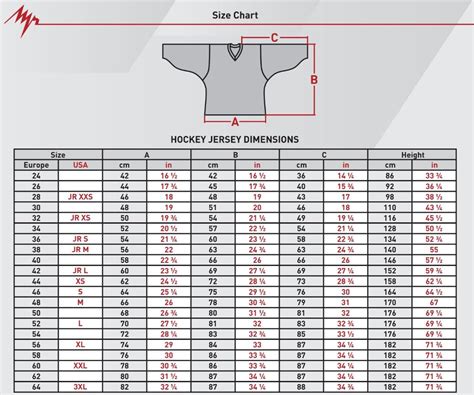
Understanding Hockey Jersey Materials
Fit starts with fabric. Jerseys commonly use performance polyester and spandex, offering true 4-way stretch. This allows you to choose your desired size without needing to oversize for airflow or mobility. Here’s how each material affects the jersey’s fit:
Polyester
Polyester sets the sizing baseline with its dimensional stability, durability, and resistance to shrinkage. The jersey maintains its intended shape through practices and washes, eliminating the need to size up. Its moisture-wicking and cooling performance reduces the urge to oversize for airflow. Heavier knits feel firmer and hold their shape more, while lighter knits hang softer and move more easily. With the right cut, both will fit cleanly over pads without bunching.
Spandex Blends
Adding spandex (elastane) delivers true 4-way stretch and recovery, directly improving fit over pads without extra room. The fabric flexes during shots and strides, then snaps back so sleeves and hems stay put, allowing players to choose their intended size for a consistent team look. Higher spandex content increases contour and bounce-back; lower content relaxes the drape. In all cases, recovery helps the jersey maintain its fit throughout the season.
Factors to Consider When Choosing the Right Hockey Jersey Sizing
Before consulting the hockey jersey sizing chart, consider these factors to ensure a confident, game-ready fit:
Read also: Features of Custom Hockey Gloves
- Over-Pad Mobility and Coverage: Choose a size that slides cleanly over the shoulder, chest, and elbow pads without bunching or restricting reach. Sleeves should cover elbow pads and meet gloves without riding up, and the hem should sit where you prefer (tucked or untucked) without pulling during skating.
- Athletic vs. Traditional Cut: Decide whether your team wants a streamlined, athletic silhouette or a classic, relaxed look. A consistent cut across the roster keeps the bench unified and ensures players move freely on every line.
- Skater vs. Goalie: Goalies typically need more room through the chest, arms, and shoulders to accommodate bulkier protection. Skaters can opt for a closer fit that reduces flutter while maintaining a full range of motion for shooting and stickhandling.
- 4-Way Stretch and Cooling: Modern polyester/spandex with 4-way stretch allows a more dialed-in fit that still moves easily over pads. Moisture-wicking, cooling, and anti-pill qualities help the jersey stay comfortable and durable throughout the season.
- Layering and Climate: Account for base compression or thermal layers based on rink conditions and player preference. Let the fabrics and layers manage temperature so you don’t oversize the jersey and risk a baggy, distracting fit.
- Style-Specific Notes and Reversible Jerseys: Different jersey styles can have unique fits and drape, and reversible game jerseys may feel slightly different than single-sided options. Use catalog notes and connect with a specialist for style-specific guidance so your team orders with confidence.
Common Fitting Mistakes to Avoid
Avoid these common pitfalls to ensure the right fit:
- Relying on Height-and-Weight Charts: Height and weight tables ignore shoulder width, chest depth, and torso length, which heavily affect how a jersey sits over pads. Two players with identical numbers will need different sizes. Use height/weight only as a starting point, then follow style-specific guidance in the catalog.
- Ignoring Upper-Body Build Differences: Broad shoulders, a deep chest, or a longer torso can throw off a height/weight guess. If you size purely by numbers, you risk tight shoulders, short hems, or excess fabric in the body. Factor in how the jersey needs to clear the shoulder and elbow pads while covering the waistband without pulling.
- Forgetting Pads and Base Layers: Height and weight don’t account for varying pad profiles or whether a player wears compression or thermal layers. Size so the jersey slides cleanly over your typical game setup; this avoids bunching at the elbows and keeps the hem from riding up during skating.
- Sizing Up for Airflow or Mobility: With modern polyester/spandex 4-way stretch and moisture-wicking, you don’t need extra room for cooling or range of motion. Oversizing can cause sleeve flutter, number distortion, and a sloppy look. Choose the intended size and let the fabric do the work.
- Chasing Length by Going Up a Size: Bumping up a full size just to gain hem length often introduces bagginess in the shoulders and chest. Instead, look for style notes on body length and cut in our catalog to get proper coverage without sacrificing a clean silhouette.
- Treating Weight as a Proxy for Fit: Weight alone doesn’t show where mass sits; muscle distribution and build matter. A compact, muscular player and a lankier skater at the same weight can need different fits. Consider how fabric needs to contour over pads and return to shape.
- Using Casual Clothing Sizes as a Guide: Streetwear tees and hoodies fit nothing like a performance jersey worn over gear. Translating everyday sizes to the ice leads to inconsistent team appearance and comfort. Stick to the style-specific fit notes provided for game jerseys.
- Overlooking Position-Specific Needs: Goalies typically require more room through the chest, shoulders, and arms to clear bulkier protection, while skaters benefit from a closer, cleaner fit that reduces drag. Adjust sizing by role.
- Ignoring Style and Reversible Construction Differences: Different jersey styles can drape or stretch slightly differently, and reversible game jerseys can feel marginally more substantial. Check the provider’s catalog notes to match your preferred feel.
- Planning for Shrinkage With Synthetic Fabrics: Polyester/spandex blends are dimensionally stable and resist shrinkage, so “buying big” to offset wash changes only creates an oversized, distracting fit. Choose the size that delivers the look and mobility you want from day one.
Men’s vs. Women’s Hockey Jerseys
It’s essential to understand that men’s and women’s sizes are not created equal:
- Men’s Jerseys: Generally larger and looser, designed to fit over bulky protective gear, such as shoulder pads and chest protectors.
- Women’s Hockey Jerseys: Typically more fitted and contoured to accommodate a woman’s body shape. The sleeves are usually narrower, and the torso is shorter.
Goalie Jerseys
Goalie jerseys are typically cut larger to accommodate the additional padding and gear worn by goalies. However, be cautious about oversizing, as some goalie cut jerseys can be too big, even for goalies. The sleeves can be excessively wide, and the arm length may not be significantly longer than player jerseys.
Brand and Style Variations
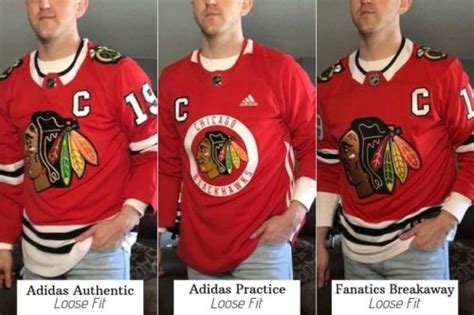
Each company's jersey is going to be a bit different, but they are very large with wide arms normally. Different jersey styles can have unique fits and drape, and reversible game jerseys may feel slightly different than single-sided options. The Indonesian-made jerseys have some QC issues where you can line up an entire case of the same size, and some will be a bit bigger or smaller. As in, you can get a 52 that is like a 54, or a 54 that is like a 52, etc. So if you are tight in a jersey, and you buy it online, you should consider sizing up just to be safe. If you buy the Made in Canada jerseys, they tend to be a size up from the Indo jerseys. So a 52 should have similar dimensions to a 54. But I wouldn't size down in the Made In Canada jerseys because they are made with a tighter material that has less give.
Fanatics vs. Adidas Jerseys
The Fanatics changeover was mostly just in name. The made in Canada versions are made in the same factory in Quebec (SP Hockey) of similar materials. The Premium jerseys (made in Indonesia) are made in the same Indonesian factories of Adidas of similar materials. The Indonesian made jerseys have some QC issues where you can line up an entire case of the same size, and some will be a bit bigger or smaller.
Read also: The story of Craig Needham
Fanatics jerseys are the same size all the way down, so if you have any sort of belly (or hips for that matter) the fit will not be flattering. It’s sort of like the “skinny jeans” of jersey cuts, slimming for people who are already slim but brutal for anyone else. They are shaped like a bell. They are tight in the chest and widen out as it gets the bottom. The curve is noticeable and they don’t like previous jerseys. The arms are longer as well.
Custom Hockey Jersey Size Guide
Additional Tips
- Always remember to take accurate measurements and read reviews before making a purchase.
- Consider the additional layers, such as padding and undergarments, which can alter the fit of the hockey jersey by making it feel tighter or more restrictive.
- Customer reviews can provide valuable insights into the fit and sizing of a particular jersey. Look for comments on how the jersey fits compared to other brands or standard clothing sizes.
- Youth and adult jerseys follow different sizing conventions.
By considering these factors and avoiding common mistakes, you can confidently choose the right hockey jersey size for optimal comfort, mobility, and performance on the ice.Be sure to check our collection of custom hockey apparel before you go! You’ll find options such as customizable hockey shirts, hoodies, hats and more.
Read also: Inside Aaron Ness's Career