Hockey is an intense, high-speed game that requires top-quality protection to keep players safe. The equipment market is filled with various options, so selecting the best protective gear can be overwhelming. One crucial aspect of hockey equipment is ensuring your pants stay securely in place. This is where hockey pants suspenders come into play. Let’s delve into the details.
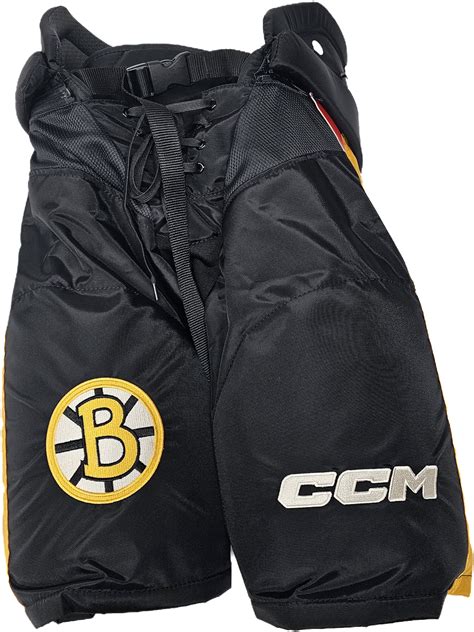
Ice Hockey Pants, sometimes referred to as “breezers”, are important because they help protect three main areas on your lower body, including your tailbone, kidneys, and quads. In the game of Ice Hockey, you will face a wide variety of impacts such as blocked shots, slashes, and falls onto the ice. Luckily, a pair of properly fitting Hockey Pants will assist in keeping you well protected!
Understanding Hockey Pants Fit and Sizing
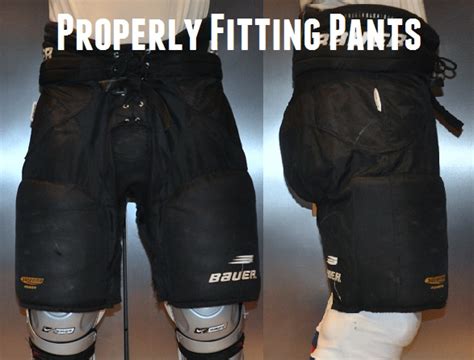
Finding the right fit for Hockey Pants is important for two reasons. If Hockey Pants are too big, they can hinder mobility due to irregular contact with your shin guards, and because they are too baggy. A way to tell if Hockey Pants are too big is simply if they go too far down your leg, or if they won’t stay securely in place on your hips. If Hockey Pants are too small, there is the issue of the top of your knee being left unprotected.
Ice Hockey Pants come in sizes Small through Extra Large and are produced by all major ice hockey equipment manufacturers such as Bauer, CCM, Warrior, and True. When fitting Hockey Pants, the general rule of thumb is that you want them to be snug, but comfortable while at the waist level. This will ensure that they do not slide down during gameplay. While standing with Hockey Pants on, they will usually rest one or two inches above the kneecap of your shin guards.
If you are trying on Hockey Pants, try moving around in them, or do a few brief exercises in them, to get a general idea of how they will feel while out on the ice.
Read also: Features of Custom Hockey Gloves
Key Areas of Protection in Hockey Pants
- Tailbone pad
- Kidney pads
- Quadriceps pads
- Hip pads
Hockey Pants Considerations
Almost all Hockey Pants consist of three materials; a Nylon shell and stretch gussets on the exterior, with hard plastics and foams on the interior for protection. The Nylon shell is thick and durable, helping prevent against any type of scratches and cuts. The stretch gussets within the nylon shell help provide you with enhanced movement and mobility. The pieces on the interior, consisting of hard foam and plastics are lightweight and highly protecting against impact-type situations, such as shot blocking, stick checks, and so on.
Types of Fit: Snug vs. Mid vs. Wide
Most major Ice Hockey brands have two lines of Hockey Pants. For example, CCM has their Super Tacks pant line that feature a traditional, wider fit, that provides great protection. Their JetSpeed pant line, has a more anatomical, close to the body fit, providing great mobility and flexibility. Finding the right pair that has your desired fit and that best fits your play style, is all a matter of personal preference.
Do You Need Suspenders?
If you prefer the feel of a looser, traditionally fitting pant, but find them a little bit baggy for your build, Hockey suspenders are a great option. They will help keep your hockey pants from slipping down and are adjustable as well.
No hockey player wants to have their pants fall down during the heat of the action and that’s why most of them simply tighten them with a belt these days. Wearing suspenders is basically an old-school tradition. There’s nothing wrong with it at all, but hockey pants can easily be tightened and secured at the waist with a belt so suspenders aren’t really needed anymore. They’re certainly an option though but it all comes down to your personal preference.
How to Size an Ice Hockey Pant
Tips for Using Hockey Pants Suspenders
The best way to keep your hockey suspenders from sliding off your shoulders and down your arms is to make sure they’re worn beneath your shoulder pads.
Read also: The story of Craig Needham
What if You’re a Goalie?
This is purely a personal preference but if the suspenders are placed over the shoulder pads there’s a greater chance of them moving around while you’re playing or practising. But oddly enough, some players swear that wearing the suspenders over the pads keeps both the suspenders and pads in place better.
Again, this is a personal preference. I’ve found that it’s about 50-50 when it comes to goaltenders as half of them prefer to wear suspenders over their padding and half of them like to wear them underneath. Many goaltenders who wear them over their padding also use some other method to keep them in place though such as tape, Velcro or a skate lace to tie them. They also believe that wearing them over the pads gives them a tighter fit and are more comfortable that way.
Effective Methods to Keep Suspenders in Place
- Many players will wear a short suspender tie or even two of them clipped across the chest, much like Wayne Gretzky wore, to keep the suspender straps from slipping.
- If you cross the straps of the suspenders over your head before putting them on it will make for a tighter fit as the angles of the straps are changed.
- On the back of the suspenders is a piece that connects the two straps into one. If this piece is raised up higher behind your back it should help keep the suspenders in place.
- Simply tightening the suspenders up through the buckles could help keep them in place.
Maintenance and Repairs
Part of all of this is simple geography. Even when I lived in Maryland, it was a challenge to find the right person to fix hockey equipment that had plenty of life. I still had to drive an hour away for certain repairs. The most challenging repair to have done down here seems to be suspender buttons. It would be great if I didn’t need to use suspenders but between not having an ass and having a gut, the pants slide down when playing.
When you’re a kid, the guys at the shop always tell you to remove your insoles from your skates to prevent rust, mold and boot breakdown. They should have engrained a message about removing suspenders, too. It was never a habit for me to remove them, mainly because it can be a pain in the ass to get the button through the tight rubber loop again. What happens is that these buttons, which are installed as rivets, rust.
The first try to fix it yourself is by going to Jo-Ann Fabrics or a similar store to find these buttons, sometimes called bachelor buttons or jean buttons. That attempt failed. I hammered them in crooked and they wouldn’t stay in. I also needed a washer, too, to help it to stay. Of all things, that is what partially motivated me to go back to goaltending because my pants were still holding up. I couldn’t find anywhere online to order replacement buttons. The type you need that will last are attached to a square of fabric or in a V-shape that can be sewn onto the pants.
Read also: Inside Aaron Ness's Career
I blame some of these on me not being handy enough. I can sew a few simple things and have a needle my mom gave me that could work, but I have this in my head that I need something that is machine-quality so that it won’t rip off. I actually ordered this from the pro shop last year or even two years ago and they either never came in or called me. This time it took three weeks for them to arrive. Once I got it, it turns into a game finding someone who will install them. The shop doesn’t do it.
When to Replace Hockey Pants
With proper care, Hockey pants can last multiple years. However, if you outgrow them, or them become ridden with tears and scratches, this is a sign that you will want to get a new pair. Another consideration to keep in mind is the level of play. If you are playing highly competitive youth travel hockey, there is a chance your pants might need to be replaced more frequently than someone who plays in a recreational league where there is less hitting, contact, and so on.
Additional Protective Gear Considerations
Selecting hockey protective gear requires balancing comfort, fit, and protection. By focusing on the right fit and key protective features for each piece of equipment, you can ensure that you’re both safe and ready to play your best on the ice. Make sure to try on different brands and prioritize quality - and don’t hesitate to replace or upgrade gear as you grow and develop your skills.
General Equipment Guidelines
- Helmets: Should fit snugly without discomfort, covering above the eyebrows and the back of the head.
- Shoulder Pads: Should cover the collarbone, chest, and upper arms without restricting movement.
- Elbow Pads: Should fit securely over the elbow without restricting arm movement.
- Gloves: Should fit snugly around your hands and wrist, allowing a secure grip on the stick.
- Shin Guards: Should cover from just below the kneecap to the top of your skate tongue.
tags: #hockey #pants #suspenders