Embarking on the exhilarating journey of selecting new snowboard gear triggers the inevitable questions: What size snowboard should I buy? How should my boots fit? This guide delves into the intricacies of sizing and fitting, empowering you to navigate the options available and ensuring your next descent down the slopes is thrilling and enjoyable.

Snowboard Sizing: Beyond the Basics
Understanding your snowboard size range is crucial to discovering the perfect fit for your individual preferences and riding style. While the common advice suggests that the board height should fall between your chin and nose, our guide delves deeper into the intricacies of sizing.
In reality, the ideal snowboard size could range from your collarbone to your forehead, taking into consideration essential factors such as rider weight, boot size, preferred terrain, and intended board use. Snowboard sizing transcends a mere glance at a size chart; it's about crafting a bespoke experience tailored to your unique needs.
Your board doesn’t care how tall you are. What really matters is how much you weigh. Each board will have a weight range, and within that range, the board will perform as designed.
This doesn’t mean that you can’t buy a board below or above your weight range. If you fall below the weight range, the board will be a bit stiffer, and if you’re above the weight range, it will be a bit softer.
Read also: Is the Gnu Antigravity Snowboard Worth It?
When looking at the same model of board, shorter boards will have lower weight ranges while longer boards will have higher weight ranges. What you plan to do with the board will also factor into the size board you select.
If you plan to spend most of your time in the park or pipe, a freestyle board will probably better meet your needs. These shorter boards will be more maneuverable as you move through the park and have a lower swing weight, making it easier to spin the board.
If you plan to spend most of your time carving down the hill or riding in powder, you’ll benefit from a freeride board. These boards are longer in order to have more edge contact with the snow for more control as you lean into a turn or try to hold an edge at high speed. And for powder, a longer board offers more float in the snow.
Finally, if you want to be able to do a little bit of everything on the hill, go for an all-mountain board. Some boards with non-standard shapes and sidecuts may not align with the sizing suggested by this chart.
Have more questions about finding your snowboard size? Finding the right snowboard size is critical to enjoying a good shred, or any snowy canvas you find yourself on. There are some simple physics equations built into most snowboards that correspond to two critical human body characteristics, your height, and your weight.
Read also: Battle Bindings: Performance and Value
There are some quick tricks people use to identify the right board length, like standing a board up from the floor and seeing if it measures up to this “goldilocks” range somewhere between your chin and eyes.
Ready to embark on your snowboarding journey with the perfect-sized board? Explore our curated collection of snowboards tailored for every rider.
Whether you're a seasoned pro or a beginner seeking your first board, our shops feature a diverse range to suit your preferences. Don't let an ill-fitting snowboard hold you back-shop now and elevate your winter experiences to new heights. Seize the slopes with confidence and style, knowing that your perfectly sized snowboard is just a click away!
Snowboard Size Chart
The following chart is a generic chart that works for most standard snowboards.
| Rider Weight (lbs) | Board Length (cm) |
|---|---|
| Under 100 | 130-140 |
| 100-120 | 140-145 |
| 120-150 | 145-155 |
| 150-180 | 155-160 |
| 180+ | 160+ |
Note: This is a general guideline. Consider your riding style and terrain preferences when choosing a board size.
Read also: Renting Snowboards in Whistler Blackcomb: What You Need to Know
Snowboard Boot Fitting: Comfort and Performance
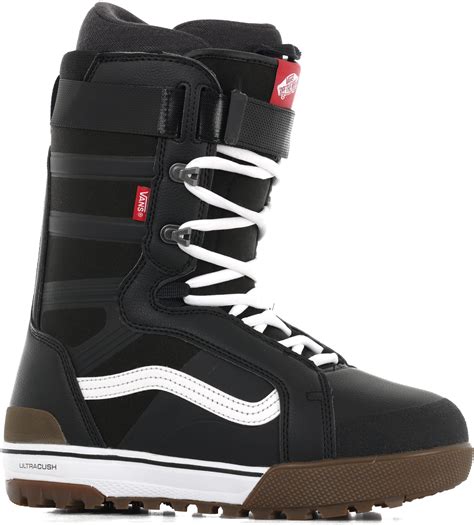
Sizing is also important when looking at boots. Sizes are not always uniform by brand or even from one model to another. The fit should be snug, but not uncomfortable.
If at all possible, have yourself professionally fit by an REI snowboard boot specialist or other qualified person. He or she will have you try on several boots to gauge what feels best to you.
Keep in mind that liners compress ("pack out") with use and will end up roomier at the end of the season than when you bought them, so if you're deciding between two sizes, it's best to size down. The first time you try on your boots is the tightest they will ever be.
What Is The Proper Snowboard Boot Fit?
Tips for Trying on Snowboard Boots
Here are some things to keep in mind when trying on snowboard boots:
- Wear thin, synthetic snowboard socks. No thick hiking socks, no cotton.
- Feet tend to swell over the course of the day. Try on boots in the afternoon or evening when they are largest.
- When standing straight, your toes should brush the end of the boots, but they shouldn't be crammed or turned under.
- When flexing your knees like you're snowboarding, your toes should just barely pull away from brushing the front of the boot. The fit should not be painful.
- When flexing your knees, your heels should stay down.
- Walk around and stand in the boots for at least 20 minutes.
Customizing Your Fit
How to Custom Mold Snowboard Boot Liners
Some snowboard boots come with liners than can be heat molded for a custom fit. If your snowboard boots have liners like this, you can either take them to REI or another qualified snowboard shop to be molded or you can do it at home. The service is generally free with the purchase of boots (a small fee may apply for molding boots not purchased at the store.)
If you want to mold the liners at home, here's what you'll need:
- 3-4 lbs. of uncooked white rice
- Microwave
- 2x4 piece of wood
- Two old socks you can cut up
- A pair of long thin tube socks
- A pair of thin wool or synthetic snowboard socks
In this video, we show you how mold your liners at home.
What Is The Proper Snowboard Boot Fit?
Snowboard Boot Fit Modifications
If you've molded the liners and are still experiencing fit issues, it may be time to seek the help of a professional boot fitter. A professional boot fitter can examine the shape of your foot and leg and make modifications to your boot to improve the fit and performance.
Custom insoles are a popular way to improve fit and support. Your options:
- For a little extra support, try cut-to-fit insoles. REI carries these.
- For a more customized fit, get custom-molded cork insoles. Each insole is heated, vacuum molded and massaged to fit your foot-a 25-minute process. Many REI stores make custom-molded insoles.