Building an ice skating rink requires careful planning and execution to create a safe and enjoyable experience for skaters. Whether you are looking to construct an ice rink for recreational purposes or professional events, understanding the key aspects involved is crucial.
Ice rinks are increasingly popular in North America for competitive hockey and figure skating and as vibrant community hubs. But despite the appeal, building a rink is far from a simple project. There are many moving parts, both literally and figuratively.
This guide will walk you through what it takes to make that vision a reality, focusing on the design, construction, and ongoing operation of an ice arena.
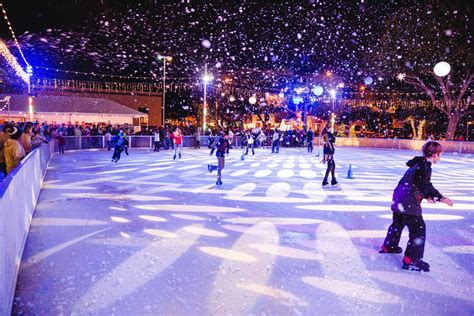
Defining the Purpose and Scope of Your Ice Rink
Before you sketch out any designs or get quotes from contractors, you need to define exactly what type of rink you’re building. Will it be indoor or outdoor? Is it intended for seasonal use, or do you want it to operate year-round? Are you catering to hockey players, figure skaters, curling clubs, or recreational skaters? These decisions impact everything from design and materials to HVAC requirements and operational costs.
Community rinks with flexible programming will have very different needs than competitive arenas aiming to host tournaments. Clarity in purpose drives efficiency in planning.
Read also: Winter Fun at Hamilton Ice Arena
Planning the Design and Size of the Rink
The size and design of your ice rink should align with its intended use. Common rink sizes include:
- NHL-Sized Rink (200×85 feet): The standard for professional and competitive hockey and many community rinks. It is commonly used in North American leagues, including the NHL, and is ideal for fast-paced gameplay and league competitions.
- Olympic-Sized Rink (200×100 feet): This larger rink is used in international competitions such as the Winter Olympics and provides more space for skating, making it ideal for international tournaments and figure skating events.
- Studio Rink (100×50 feet or similar): A smaller rink primarily used for figure skating practice, learn-to-skate programs, and hockey training. These are commonly found in training facilities and community recreation centers.
- Curling Rink (146×15 feet per sheet): Designed specifically for curling, these rinks feature dedicated sheets with precise ice conditions to allow proper stone movement. Curling rinks are typically found in dedicated clubs or multi-sport facilities.
- Multi-Use Rinks: Designed to accommodate different ice sports, these rinks may have removable flooring for off-season events or synthetic ice panels for alternative use cases. They are ideal for community centers looking to utilize their facilities year-round.
Choosing the Right Site
The physical location can make or break your rink’s success. You’ll want a site with proper zoning, reliable utility access, good drainage, and enough space for parking and potential expansion. Proximity to schools, neighborhoods, or public transit adds major value.
Keep in mind that outdoor rinks face unique challenges-especially in warmer climates. Drainage, wind exposure, and access to shade (or roofing) can influence both performance and lifespan.
Ice Rink System Components and Equipment
Essential components and equipment for an ice rink include:
- Base and Foundation: Concrete or sand base for stability and proper ice maintenance.
- Refrigeration System: Pipes embedded in the base to keep ice frozen.
- Dasher Boards and Protective Glass: Provides boundaries and safety for players and spectators.
- Dehumidification System: Crucial for indoor rinks to prevent condensation and maintain air quality.
- Lighting System: LED lighting for better visibility and energy efficiency.
Equipment Included in standard ice rink builds:
Read also: Ice Skating in Great Neck
- Base and refrigeration system
- Dasher boards and protective glass
- Basic lighting setup
Needs to be purchased or leased separately:
- Ice resurfacer (Zamboni)
- Scoreboards and display systems
- Additional seating/bleachers
- Sound system
- HVAC and advanced ventilation
- Scheduling and ticketing software
Ice Rink Installation Process
How Arenas Transform Overnight
Indoor Ice Rink Installation
Building an indoor rink requires careful planning and execution. The process starts with site preparation, ensuring the foundation is level and properly insulated to maintain ice quality. The refrigeration system is then installed, and pipes are embedded into the base to circulate coolant and keep the ice frozen.
Once the mechanical systems are in place, construction moves to the structural phase, where walls, roofing, and insulation systems are built to maintain an optimal indoor climate. After the structure is complete, electrical and mechanical components, including HVAC, lighting, and sound systems, are installed.
Ice layering is a meticulous process where thin layers of water are gradually applied and frozen to create a smooth and durable surface. This phase also includes line painting and marking for hockey, figure skating, or curling. Logos and custom branding can also be applied at this stage. Final testing ensures refrigeration efficiency, ice thickness, and overall facility operations are optimized before opening for public use.
Outdoor Ice Rink Installation
Due to environmental factors, outdoor rink installation requires a slightly different approach. The first step is selecting and preparing a level site with proper drainage to prevent water pooling. A perimeter is established using boards or containment systems, and the base is compacted to ensure even ice formation.
Read also: Ice Skating at AZ Ice Gilbert
Water is applied in layers and allowed to freeze naturally, requiring consistently cold temperatures to maintain ice stability. Line painting and markings can be applied using specialized ice paint for outdoor use. Custom logos or sponsorship branding may also be added to enhance the rink’s visual appeal.
Weather plays a significant role in outdoor rinks, so wind barriers or roofing structures may be incorporated to extend ice longevity. Regular resurfacing is necessary to maintain quality, and outdoor rinks often require additional maintenance compared to indoor facilities due to exposure to the elements.
Customization Options
For rinks looking to enhance aesthetics, sponsorship visibility, or branding, customization options include:
- Logos and Branding: Team logos, sponsorship ads, and custom artwork can be embedded in the ice or placed on dasher boards.
- Colored Line Markings: Custom colors for hockey, curling, or figure skating events.
- Lighting Effects: LED lighting customization for event-specific themes or presentations.
- Seating and Viewing Upgrades: VIP seating areas, glass-walled viewing spaces, and heated spectator zones.
- High-Tech Scoreboards: Digital display boards with integrated game tracking and instant replays.
Amenities for the Ice Rink
To enhance user experience and maximize revenue, consider adding:
- Bleachers and Seating Areas: For spectators and event attendees.
- Locker Rooms and Changing Areas: Essential for hockey and figure skating programs.
- Scoreboards and Display Screens: For real-time game tracking and advertising revenue.
- LED Lighting: Reduces operating costs and improves visibility.
- Pro Shop and Rental Area: Skate rentals and equipment sales for additional income.
Cost of Building an Ice Rink
The cost of building an ice rink varies widely depending on factors like size, location, and construction materials. A basic outdoor rink typically costs between $300,000 and $600,000, covering refrigeration, boards, and a base surface.
The cost of an indoor rink (excluding the facility) can range from $1.5 million to $3 million. When factoring in the entire indoor facility-including seating, HVAC, locker rooms, and additional amenities-the total price can exceed $8 million.
Funding sources often include municipal investment, grants, sponsorships, and user fees. Energy-efficiency grants can help offset lighting and refrigeration costs, and public-private partnerships are common financing solutions.
Conducting a Feasibility Study and Developing a Business Plan
Before committing to an ice rink project, a feasibility study is essential. This process evaluates whether the project is financially and operationally viable, helping to avoid costly mistakes down the road. Key aspects of the feasibility study include:
- Market Demand: Assessing the potential user base, including local hockey leagues, figure skating programs, curling clubs, and recreational skaters.
- Competition Analysis: Identifying existing rinks in the area and determining if there’s an unmet demand.
- Site Evaluation: Reviewing zoning laws, environmental impact, and accessibility to ensure a suitable location.
- Preliminary Cost Estimates: Estimating the initial construction costs, operational expenses, and potential revenue streams.
- Funding Opportunities: Exploring grants, sponsorships, and potential partnerships with schools or municipalities to support the project.
Once the feasibility study confirms the project’s viability, the next step is developing a comprehensive business plan for your ice rink. The business plan outlines the financial model, revenue generation strategies, and long-term operational considerations. Key components of the business plan include:
- Revenue Streams: Identifying how the rink will generate income through public skating, hockey leagues, private rentals, advertising, concessions, and sponsorships.
- Operational Costs: Projecting expenses such as staffing, utilities, maintenance, and insurance.
- Marketing Strategy: Defining how to attract users, secure community support, and build partnerships.
- Expansion Potential: Considering future growth opportunities such as adding additional facilities, hosting tournaments, or offering off-season events.
A well-prepared feasibility study and business plan are critical to securing funding and ensuring the long-term success of the ice rink.
Common Pitfalls to Avoid
- Underestimating operational costs: Electricity, staffing, and maintenance expenses add up quickly.
- Poor air quality management: Indoor rinks without proper dehumidification can develop condensation, mold, or foggy glass.
- Choosing the wrong refrigeration system: Inadequate systems result in inconsistent ice quality and higher energy usage.
- Ignoring off-season usage: A lack of alternative programming leads to underutilized facilities during warmer months.
- Skipping proper insulation: Cutting corners on insulation increases long-term energy costs and reduces ice longevity.
- Failing to hire experienced contractors: Specialized knowledge in ice rink construction ensures fewer costly mistakes.
Ice Thickness and Temperature Requirements
The thickness of the ice in an ice skating rink is a critical factor in ensuring its safety and structural integrity. Generally, the ice thickness for an ice rink varies between 1.5 to 2 inches (3.8 to 5.1 centimeters). However, for professional ice hockey rinks or high-traffic areas, the ice thickness can be increased up to 3 inches (7.6 centimeters) or more.
To maintain a solid and skateable ice surface, ice skating rinks are typically kept at temperatures below freezing. The ideal temperature range for an ice skating rink is between 22°F to 26°F (-5°C to -3°C). However, this may vary depending on factors such as humidity, outdoor temperature, and the type of rink.
Ice Maintenance Best Practices
Ice maintenance is a key component of a successful ice skating recreation center. If your ice surface is not properly cared for, ice sports won’t be able to be properly performed. If you want your clientele to return to your recreation center you need to offer a product worth returning to.
First and foremost, regular ice maintenance allows you to offer your best possible product. The product you are selling to your customer is the quality of your ice. While skating or hockey lessons may be a facet of your business model, all of these depend on a quality ice surface. In addition, performing regular maintenance reduces your energy costs.
- Heavy Usage: The constant skating and impact from skate blades gradually make the ice surface rough and uneven.
- Temperature Fluctuations: Temperature fluctuations wreak havoc on the ice, causing it to melt under extreme heat or crack during freezing cold spells. These temperature variations also affect the moisture and humidity levels in the arena, leading to softened and sticky ice that further degrades in quality.
- Neglecting Maintenance Tasks: Neglecting maintenance tasks, such as periodic resurfacing or inadequate hole filling, only accelerate the deterioration process.
- Water Quality: The quality of water used is crucial, as high mineral or impurity content can destabilize the ice and make it susceptible to damage.
Here are a few best practices to help you improve ice quality while reducing operational costs.
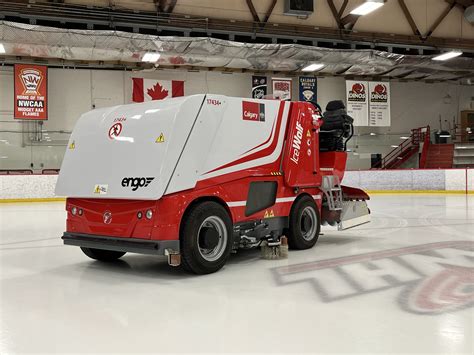
- Invest in Electric Resurfacers: Electric resurfacers or Zambonis are great for improving ice quality and rink maintenance while reducing emissions. Electric resurfacers are typically more efficient than traditional gas-powered resurfacers, saving time and labor and allowing for more frequent maintenance with faster turnaround times. These green machines create better ice conditions, improve operations and allow for a more sustainable environment.
- Incorporate Fast-Opening and Closing Loading Doors: Fast-opening and closing loading doors are a game-changer for improving ice quality and rink maintenance. They maintain consistent temperature and humidity by sealing off the arena quickly, preventing ice from melting or softening. These doors are energy efficient, keeping conditioned air inside and reducing the cooling system workload. They also keep debris and contaminants out, resulting in cleaner ice and less frequent cleaning. Plus, their swift operation enhances overall efficiency, allowing for timely maintenance and event preparations.
- Utilize Indoor Snow Melt Pits: Indoor snow melt pits make snow removal a breeze by providing a designated area to direct and melt accumulated snow. Instead of manually shoveling or using machines to clear the snow, it can be funneled into the snow melt pit. This saves time and manual labor, allowing for quicker snow removal and faster resumption of ice activities. Separating it from the ice surface prevents contamination, ensuring a cleaner and purer playing area too.
- Clean the Slab Before Making Ice: Cleaning the slab before making ice is super important for top-notch ice quality and easy maintenance. A clean slab means a smooth and level surface, which makes the ice better for skating. Plus, it prevents dirt and debris from getting stuck in the ice. Cleaning also helps with maintenance because it lets you spot any issues or damage on the surface. And when it's time to resurface, a clean slab ensures a more even and well-maintained ice sheet.
- Use Thermal Conductive Paint: Using thermal conductive paint in an ice arena significantly benefits ice quality and rink maintenance. By maintaining a consistent temperature, the paint ensures uniform freezing and a stable ice surface free of irregularities. The smooth surface facilitates efficient ice resurfacing, reducing operational costs and maintenance and extending equipment lifespan.
- Temperature Adjustment for Usage: By optimizing the temperature based on usage and downtimes, rink operators can ensure longer-lasting and resilient ice surfaces during high-usage periods while conserving energy and reducing operational costs during low-usage periods. This targeted approach also allows for more efficient scheduling of ice resurfacing, reducing unnecessary resurfacing sessions and saving time, water and energy. Additionally, temperature adjustments help minimize wear and tear on cooling equipment, extending its lifespan and lowering maintenance costs.
How To Know if Your Rink Needs a Refresh
Knowing when your rink needs a refresh involves considering several key indicators:
- Firstly, closely inspect the ice surface for visible signs of wear and tear, such as cracks, ruts or unevenness that could affect skating quality.
- Additionally, monitor the ice's performance, including its hardness, glide and response to skate blade contact. If the ice feels soft or sticky, it may be time for a refresh.
- Pay attention to feedback from skaters and coaches regarding ice conditions as well.
- Finally, track the frequency and effectiveness of maintenance procedures like resurfacing and edging. If these measures become less effective or more frequent, a refresh is likely needed to restore optimal ice quality.
How Rink Design Can Improve Rink Maintenance
Effective rink design can significantly improve rink maintenance by incorporating features that streamline operations and enhance efficiency. Thoughtful placement of utility access points, dedicated equipment storage areas and advanced technologies such as automated ice resurfacing systems simplify maintenance tasks and ensure consistent results.
Similarly, choosing durable materials, implementing protective elements and integrating energy-efficient solutions further minimize the need for repairs and reduce operational costs. Ice in Paradise is a 46,576 sq. ft. facility with something for every skater. In addition to a full-sized NHL sheet of ice and second studio rink which features efficient loading doors and snow melt pits, the six locker rooms are positioned on the ground level with direct rink access to eliminate unnecessary circulation and maintain temperature and humidity. Additionally, this freed up more space for the restaurant tenant, generating more rent revenue.
Key Considerations for Maintenance Planning
Planning your maintenance and committing to that schedule is the key to running a successful recreation center ice rink. Factors to consider include:
- Usage: Who is going to be using your rink? Are your customers going to be primarily figure skaters, hockey players, or families? How often is your rink in use? If your rink is primarily adult hockey players it’s going to need maintenance more often a rink that is primarily used by youth figure skaters.
- Ice and Arena Temperature: Figure skaters and families prefer a warmer building with an ice temperature in the mid 20’s. Hockey players tend to prefer a colder arena with hard, fast ice.
- Methods of Resurfacing: Does your ice resurfacer have a board brush? Do you regularly edge your ice? Are you using warm or cold water to resurface with?
FAQ: Ice Rink Installation
How long does it take to build an ice rink?
Most ice rink projects take 12 to 24 months from planning to opening, depending on permitting, weather, and construction complexity.
How do I level ground for an outdoor rink?
For uneven ground, you’ll need to build a level base using wooden boards, sand, or compacted soil before installing the liner and filling it with water.
What does regular ice rink maintenance involve?
Regular maintenance includes resurfacing the ice, monitoring refrigeration systems, managing humidity (for indoor rinks), and repairing any damage to dasher boards or lighting.
Are there funding options available for ice rink projects?
Yes, many rinks are funded through municipal grants, private sponsorships, energy-efficiency programs, and public-private partnerships. Read our separate guide about grant programs for ice rink projects.
What is the best way to insulate an ice rink?
Proper insulation includes high-quality vapor barriers, insulated roofing, and walls designed to maintain consistent ice temperatures and prevent condensation buildup.
Can a rink accommodate both hockey and curling?
While curling rinks have different ice preparation needs, some multi-use facilities can accommodate both by carefully managing ice conditions and layout.