Winter sports like skiing and snowboarding offer thrills and excitement but also present unique risks to your body-especially your knees. With the powerful forces and fast-paced movements involved, taking precautions to keep your knees safe and avoid injuries is essential.
Knee pain can sideline even the most passionate snowboarder. But what if you could strengthen your knees and reduce your risk of injury before hitting the slopes? That's where prehab comes in. Snowboarding puts unique demands on your body, especially your knees (It is an extreme sport after all). Think about the forces involved in carving, landing jumps, and absorbing bumps. Your knees need strength, stability, endurance and flexibility to handle it all.
Studies show that lower-extremity injuries (of thighs, knees, legs, ankles, and feet) are the most common type of injury in snowboarding and are mostly due to human-error, such as feeling overconfident in a jump or traveling faster than you should down the mountain. Following wrist injuries, knee injuries are the most common bodily injury in snowboarding.
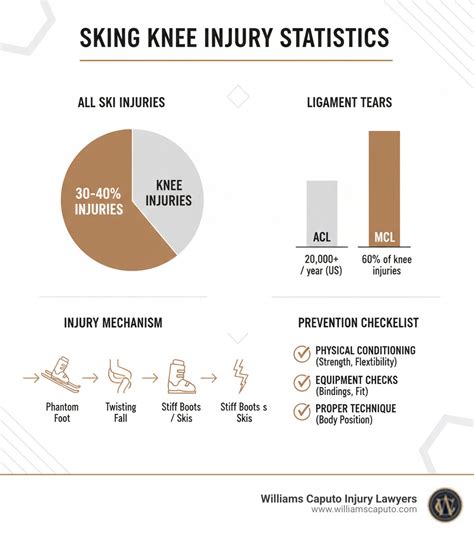
The most common knee injuries when snowboarding are torn ligaments, especially the anterior cruciate ligament (ACL) and medial collateral ligament (MCL). These injuries can occur when you land a jump incorrectly, when you try to stand in a fall, or from improper “twisting” while you’re on your ride.
Here are some key tips to help protect your knees while enjoying the slopes:
Read also: In-Depth Sundance Snowboarding
1. Warm Up and Stretch Before Hitting the Slopes
Warming up your muscles and joints before skiing or snowboarding is vital to prevent injury. Spend a few minutes performing dynamic stretches to increase flexibility and prepare your body for physical activity. Focus on stretches for your quadriceps, hamstrings, calves, and hips, as these muscles significantly stabilize your knees while skiing or snowboarding.
A proper warm-up is essential for knee health, especially in cold weather when muscles are more prone to tightness. Begin with light aerobic exercises to increase circulation, followed by dynamic stretches for your legs and hips.
Improving flexibility/mobility helps your joints move with strength through their full range of motion, improving performance and preventing injury.
2. Strengthen Your Leg Muscles
Building strength in the muscles around your knees can help prevent injuries. Strong quadriceps, hamstrings, and calf muscles help stabilize the knee joint and reduce stress during high-impact activities. Incorporate leg-strengthening exercises like squats, lunges, and leg presses into your fitness routine leading up to ski season.
Strengthening your quadriceps, hamstrings, and glutes will give your knees added stability and support, reducing ACL strain.
Read also: Types of Snowboarding Jumps
Here are some exercises to consider:
- Squats and Goblet Squats: Stand with feet shoulder-width apart, toes slightly outward.
- Split Squats or Bulgarian Split Squats: Step forward with one leg, bending both knees to 90 degrees.
- Lateral Band Walks: These target your inner and outer thigh muscles, which are important for knee stability and preventing sideways movements that can lead to injury. Step to the side, keeping your toes pointing forward and your other leg straight.
- Glute Bridges or Hip Thrusts: Sit on the ground with your upper back against a bench or sturdy surface.
- Chair Pose: Stand with feet hip-width apart, then bend your knees and lower your hips as if sitting in a chair.
- Hip Thrusts: Lie on your back with knees bent and feet flat on the floor.
Top muscle groups for knee protection in skiing and snowboarding:
- Glutes: Crucial for hip and knee alignment.
- Quadriceps: Control knee extension and absorb shock.
- Hamstrings: Balance the quads and protect the knee joint.
- Core muscles: Improve balance and reduce stress on the knees.
- Calves and ankle stabilizers: Help manage terrain changes and improve control.
Supplemental training is a great idea for any sport. It allows you to build strength and mobility within the body tailored to a specific sport. Similar to seeking professional instruction, cross-training can be provided by local gyms or snowboard instructors.
REI and Burton both offer free training guides online that focus on building strength in the hips, quads, hamstrings, calves, ankles, and other parts of the lower-body. Always consult your physician before beginning any exercise program.
A strong core is essential for overall stability and injury prevention. Include exercises like planks, side planks, and bird-dog in your routine.
Read also: In-Depth Review: Demon Snowboard Protection
Focusing on these areas helps reduce your risk of knee strain or ligament injuries on the slopes.
3. Wear Proper Equipment
Choosing the right equipment can significantly reduce the risk of knee injuries. Ensure that your boots fit properly and provide good ankle support. Ski poles should also be adjusted to the correct height to reduce knee strain. If you snowboard, consider using a knee brace for added stability.
Using the right ski or snowboard equipment can help prevent knee injuries. Be sure to:
- Get ski bindings professionally adjusted to ensure proper release during falls
- Use properly fitted boots to improve control and reduce strain
- Set snowboard bindings at safe angles to protect knees and hips
Invest in Quality Gear and Knee Support Wearing well-fitted ski boots, bindings, and a knee brace if needed can provide crucial support. Proper gear reduces the likelihood of knee over rotation and abrupt stops, helping prevent ACL injuries. High-quality equipment allows for smoother, safer movements on the slopes.
Balance, alignment, and the ability to articulate the ankle in your boots profoundly affect your performance and endurance. You should never wear ill-fitting equipment due to the risk of injury, especially the ACL. Even if the fit of your boot is only off by a tiny bit, it can change your performance and increase your risk of injury.
4. Practice Proper Technique
Learning the right skiing or snowboarding techniques is key to reducing knee stress. Avoid sudden, jerky movements that can cause your knees to twist unnaturally. When skiing, bend your knees slightly to keep your center of gravity low and ensure that you distribute your weight evenly across both skis. Snowboarders should practice shifting their weight carefully between their front and back feet to prevent undue stress on the knee joints.
Mastering proper techniques is key to staying safe. For instance, avoid locking your knees while descending and practice proper form when turning and stopping.
The skier’s ability to produce controlled movement through coordinated muscle activity is known as neuromuscular control. Each program will include situations like how to properly decelerate, cut or change directions, and stopping techniques.
High-level skiing and snowboarding require intense, heavy use of the foot and ankle. This also includes sensing and adjusting your balance over the skis’ or snowboard’s center.
Enhancing balance and coordination help you maintain control and react effectively to unexpected situations on the slopes.
10 Balance Exercises for Snowboarding (At Home • No Equipment)
Balance training is essential for skiers and snowboarders. It:
- Improves body awareness and joint control
- Helps you stay upright on uneven terrain
- Strengthens stabilizing muscles in the knees and ankles
Incorporate 10 minutes of balance training into your regular workouts using:
- Balance boards or BOSU balls
- Single-leg balance drills
- Agility and coordination exercises
This type of training is especially beneficial for ski enthusiasts in variable terrain.
5. Take Frequent Breaks
Skiing or snowboarding can be physically demanding, and fatigue sets in faster than you might think. Take frequent breaks to rest your body, especially if you feel tension or discomfort in your knees. Overexertion increases your risk of injury, so listen to your body and avoid pushing through pain.
Overexertion is a major contributor to sports injuries. Listen to your body, and don’t hesitate to take a rest day. Adequate rest allows for recovery, reducing the risk of injury and keeping your knees in top shape.
Start your season off slow: Whether you’re a dedicated athlete or just starting a new winter sport, it is always a good idea to start the season off slow and begin on a gentler terrain than is necessary.
If/when you’re tired, take a break: Feeling tired or achy? A lack of muscle strength and physical conditioning may limit your endurance and performance on the slopes. Muscle fatigue in the thigh muscles (quadriceps and hamstrings) and buttocks muscles (gluteal) are common signs that it’s time to call it a day.
6. Know When to Stop
Pay attention to any signs of discomfort or fatigue in your knees. If you experience pain or swelling, take it easy and rest. Pushing through knee pain can lead to more serious injuries, such as ligament tears or strains. Know when to call it a day and take the necessary precautions to avoid further damage.
7. Consider Knee Protection
For those who have experienced knee injuries in the past, wearing a knee brace or support while skiing or snowboarding can provide extra protection. These devices help stabilize the knee joint, absorb shock, and prevent excessive twisting motions. Consult with an orthopaedic specialist to find the right brace for your needs.
If you’ve suffered from a past knee injury, knee instability, or if you were recommended a knee brace from a medical professional it’s worth considering wearing a knee brace during snowboarding.
8. Stay Hydrated and Fuel Your Body
Proper nutrition and hydration are essential for maintaining flexibility and strength in your muscles and joints. Drink plenty of water throughout the day, and make sure you’re fueling your body with nutrient-rich meals to keep your energy up while skiing or snowboarding. Dehydration and fatigue can increase your risk of injury.
9. Safe Falling Techniques to Protect Your Knees
No matter how well prepared you are, falls happen in winter sports, and knowing how to fall safely can help protect your knees. Aim to fall to the side to reduce direct knee impact, and avoid twisting motions, which put stress on your ACL. Try to relax your body to minimize strain, and if you're skiing, release your poles to avoid additional twists. Practicing these techniques can significantly lower your risk of knee injuries.
10. When to Start Training for Ski Season
For optimal results, begin preparing your knees 6 to 8 weeks before ski season. This gives your body time to:
- Build strength and endurance
- Improve mobility and joint control
- Avoid overuse injuries
Even if you’re starting later, don’t skip preparation-ease into activity with bodyweight exercises and mobility work first.
11. Warning Signs Your Knees Aren’t Ready for the Slopes
Not sure if your knees are ready? Watch for these red flags:
- Persistent pain, stiffness or swelling
- Knee instability or “giving out”
- Weakness during squats or lunges
- Difficulty with stairs or uneven ground
If you notice any of these, it’s smart to schedule a checkup with a sports medicine provider.
12. When to Rest vs. Seek Care for Knee Pain After Skiing
Some soreness is normal after a day on the slopes. But be cautious if:
- Pain lasts more than 3 days
- There’s swelling that doesn’t go down
- You heard or felt a "pop"
- You can’t fully bend, straighten, or put weight on the knee
These may be signs of a more serious injury. When in doubt, visit your doctor for a proper evaluation.
If you’ve sustained an ACL injury from skiing or snowboarding, rest assured that this setback doesn’t have to keep you off the slopes. Our skilled team of physical therapists can assess your injury or risk of injury and create a customized plan that will make sure you can produce controlled movement through coordinated muscle activity (i.e., neuromuscular control). Next, we will focus on progressing your dynamic stability to restore function and prevent injuries.
13. Post-Ski Recovery Tips to Support Knee Health
After a full day of skiing or snowboarding, give your knees some recovery love:
- Stretch your quads, hamstrings, calves and hips
- Foam roll tight areas like the IT band and glutes
- Ice sore or swollen knees for 15-20 minutes
- Stay hydrated and eat a recovery meal
- Go for a short walk or do light movement the next day
These simple habits can help you bounce back faster and prevent injury.
By understanding the risks and taking steps to protect your knees, you can enjoy skiing, snowboarding, and other winter sports with confidence. Stay safe, stay active, and make the most of the season on the slopes!
tags: #is #snowboarding #bad #for #knees