The jet ski rental industry offers a unique blend of excitement, freedom, and the joy of providing memorable customer experiences. If you've ever dreamed of turning your passion for jet skiing into a profitable business venture, you're in the right place. From understanding the market and crafting a business plan to overcoming the hurdles of sourcing equipment and finding a prime location, launching a jet ski rental business is no small feat.
This guide equips you with the knowledge and insights to navigate these waters confidently. By the end of this article, we hope to leave you with a clear understanding of what it takes to start and grow a successful jet ski rental business.
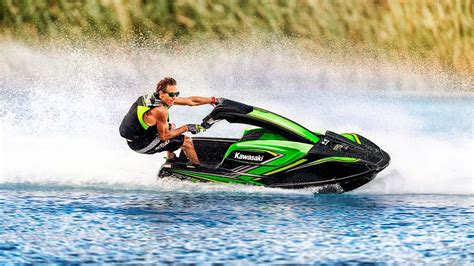
Creating Your Jet Ski Rental Business Plan
A plan is what turns your rental business idea into an actual business. You should never skip sitting down and writing a business and financial plan when starting a new business or even opening up a new branch. It will save you from so much trouble in the long run when you have plans and scenarios written out in advance. From researching the market to defining your value proposition and projecting finances, your business plan gives a comprehensive view of your future business and the environment where it will operate.
Market Research and Competitor Analysis
To establish a successful jet ski rental business, the first step is to conduct comprehensive market research. Understanding your market is critical because it helps you gauge the demand for your services, identify your target customers, and understand your competition.
Identifying Your Target Audience
To begin with, you need to identify your potential customers. Are they tourists or locals? Do they represent the younger or older generation? What's their income level, and what are they willing to pay for a jet ski rental? Knowing your customers will help you tailor your services to meet their needs and develop your pricing strategy.
Read also: Features of Luxury Ski Pants
Performing a Competitor Analysis
Next, you must evaluate the competition. How many other jet ski rental businesses are operating in your area? What services do they offer, and at what price points? Analyzing your competitors helps you identify gaps in the market that your business can fill and enables you to position your business effectively.
Evaluating Seasonality
Also, it's crucial to understand that seasonal trends can heavily affect a jet ski rental business. The demand for jet skis will likely be higher during warmer months and drop during colder periods, directly impacting your revenue. Your business plan and cash flow projections should include this seasonal variability.
In conclusion, market research lays a solid foundation for your business. It enables you to make informed decisions about your business strategy and gives you a clearer picture of the opportunities and challenges ahead.
Developing a Business Plan
Armed with a solid understanding of your market, the next step in launching a jet ski rental business is to develop a robust business plan. This critical document outlines your business strategy and serves as a roadmap for your venture.
Defining Your Value Proposition
Your business plan should start with your value proposition. This straightforward statement explains why customers should choose your jet ski rental service over others. Perhaps you'll offer more flexible rental periods, lower prices, better jet skis, or superior customer service. Whatever your unique selling points are, make sure to articulate them clearly.
Read also: Ski Resorts in Vail
Describing Your Business Model
Next, detail your business model. In all simplicity, the business model defines how you will make money. Will you only rent jet skis or also offer additional services like guided tours, lessons, or other services? What will your pricing strategy be? These details are crucial for understanding how your business will operate and generate revenue.
Projecting Your Finances
Your business plan should also provide detailed financial projections. This section should outline your expected startup costs (including purchasing or leasing jet skis, obtaining necessary permits and insurance, and setting up your rental location) and ongoing operational expenses. It should also include revenue projections based on your market research, service offerings, and pricing strategy.
Creating a Marketing Plan
Finally, the business plan should discuss your marketing and growth strategies. How will you attract and retain customers? How do you plan to expand your business over time? These are key considerations that potential investors and stakeholders will want to understand.
In essence, your business plan is your strategic guide. It should provide a comprehensive overview of your business and its path forward. It's also a living document that should be updated and refined as your business grows and evolves.
How to Start a Jet Ski Rental Company! | 3 Must Know Tips
Establishing a Legal Entity
Before you can start renting out jet skis, you need to handle a few administrative tasks.
Read also: Vail Mountain Getaway
Choosing a Name for Your Business
The business name is crucial to your company's identity, so don't hesitate to get creative. Just remember, the name should also give potential customers a clear idea of what your business does.
Selecting a Business Structure
You should consult with a legal professional or accountant to determine the best option for your specific needs, but here are the most common options:
- Sole Proprietorship: This is the simplest structure, requiring only a social security number. However, it doesn't offer liability protection, and you'll need to pay taxes on your personal and business income.
- Partnership: This could be a good choice if you plan on starting the business with a partner. But be aware it has the same tax and liability drawbacks as a sole proprietorship, and you could also be liable for your partner's actions.
- LLC (Limited Liability Company): An LLC protects personal assets from business liabilities and lawsuits. It also offers pass-through taxation. Though it's a bit more complex to set up, an LLC can provide significant tax advantages and protect assets like your home.
Registering for Taxes
You'll need to register your business for tax purposes. This usually involves federal, state, and sales taxes. To register, contact the IRS and obtain an Employer Identification Number (EIN). It allows you to access a company credit card and build credit for your business. Moreover, having a separate bank account for your business and personal funds makes it much easier to manage your cash flow and prepare your tax returns.
Legal and Regulatory Considerations
Operating a jet ski rental business involves complying with several legal and regulatory requirements. Sorting out all the legal requirements can be exhausting, but it's critical to running a successful and responsible business.
Necessary Permits and Licenses
Obtaining the appropriate business license and permits is mandatory for all new businesses. The specifics can vary greatly depending on your location and industry, so it's important to consult with a local business advisor or municipal government to understand what's required.
As a jet ski rental business, you will need the generic permits and licenses associated with starting and doing business. Companies providing consumer services often have to obtain specific health and safety licenses. In addition, states and municipalities may have licensing requirements for businesses regarding land and water use for business activities.
Insurance Coverage
Understanding liability and risk management is another crucial aspect. Because jet skiing can be risky, you must protect your business and customers with sufficient insurance coverage.
- General liability insurance: General liability is a catch-all business insurance policy. It protects your business from covered losses, including bodily injury and damage to property.
- Business property insurance: This type of insurance insures your equipment and assets from damage.
- Worker's compensation insurance: Protects your employees from injury on the job.
- Auto insurance: Protects your vehicle if an accident or breakdown occurs.
The specifics of what's required can vary, so consulting with a professional insurance agent is advisable.
Rental Contract and Waiver Policies
Jet ski rentals typically involve having customers sign a waiver before they rent a jet ski, which releases your business from liability in the event of an accident.
Moreover, all rental agreements should be formalized in a contract. This contract should clearly state the terms and conditions of the rental, including the rental period, price, and any other important details.
While these legal and regulatory considerations may seem daunting, remember that they are in place to protect you, your business, and your customers. Ensuring you're compliant reduces your risk and contributes to your reputation as a responsible and trustworthy business. Working with a lawyer to draft these documents is recommended to ensure their legal adherence.
Finding the Right Location
In the jet ski rental business, coastal location plays a key role. Finding the right place for your premises can significantly impact your business's visibility, customer accessibility, and profitability.
When selecting a location, consider the following factors:
- Proximity to water: This might seem obvious, but your business needs to be close to a body of water suitable for jet skiing. Depending on your area, this could be a beach, a lake, or a river.
- Customer accessibility: The location should be easily accessible to your target customers. For example, if you're targeting tourists, you might want a location close to hotels and the coastal areas where they spend their time.
- Visibility: Your location should be easily visible to attract walk-in customers. A remote site might be cheaper, but it could also mean fewer customers, or at least you need to invest more in marketing.
- Zoning regulations and waterfront restrictions: Be aware of local zoning laws and waterfront restrictions that might affect your business. You'll need to ensure that your chosen location is zoned for commercial use and that you can operate a jet ski rental business there.
- Cost: Finally, the cost of the location is a crucial factor. Waterfront property can be expensive, so you'll need to balance the benefits of a prime site with the price.
Choosing the right location for your jet ski rental business is a crucial step that can set the stage for your business's success. It's worth taking the time to research and visit several potential locations before deciding.
Inventory Management
Once you've addressed legal and regulatory requirements, it's time to acquire the jet skis and equipment necessary to run your business. Careful consideration should be given to these items' quality, safety, and cost.
Sourcing Jet Skis and Equipment
When sourcing jet skis, you have two primary options: buying or leasing. Buying your jet skis offers the advantage of full ownership, allowing you to maintain and modify them as you see fit. However, this option requires a significant upfront investment. On the other hand, leasing can be more cost-effective in the short term but may include restrictions on maintenance and modifications. Weigh the pros and cons of each option before making a decision.
Apart from jet skis, you'll need to invest in safety and maintenance equipment. This includes life jackets, fire extinguishers, first aid kits, trailers, and tools for regular maintenance and repairs. Ensuring that your jet skis are well-maintained and equipped with the necessary safety gear is critical for providing your customers with a safe and enjoyable experience.
When selecting a supplier for jet skis and equipment, in addition to the cost, pay attention to the warranty and after-sales services. Research multiple suppliers to ensure you get the best possible deal and quality. Investing in reliable jet skis and high-quality equipment can save you money in the long run by reducing the need for frequent repairs and replacements.
Tips for Maintaining and Organizing Inventory
Inventory management is crucial for all rental businesses, including a jet ski rental operation. But before purchasing any equipment and getting into inventory management, you must plan how and where to store them. Ready-to-use jet skis need dock places for the season, but you will also need a storage facility and trailers to store jet skis that have been lifted out of the water for maintenance, for example.
Once the storage space issues are resolved, you can move on to inventory preparation. Inventory preparation includes planning what and how much you need to buy, documenting your purchases, and setting up an inventory management system. These essential steps enable accurate tracking, maintenance scheduling, and stock optimization.
An invaluable tool at your disposal is inventory management software. It can monitor each unit in real time, reducing the risk of errors, enhancing accuracy, and improving overall efficiency. With software like Twice, you can also store information and usage records of each individual item in your inventory.
Careful preparation of the processes and systems involved in inventory management will allow you to conduct regular maintenance and inspections, which is particularly important for an activity where reliable equipment and safety are essential. Keeping a thorough record of the condition and usage history of each item can help you schedule routine maintenance checks, thereby averting unexpected downtimes.
Another thing to consider is the cyclical nature of demand for jet skis and ensuring you have sufficient inventory to cater to increased demand during peak seasons and flexibility to cut down during the off-season. Regular review and adjustment of inventory levels allow you to adjust your inventory accordingly, helping you avoid oversupply and shortage situations.
A well-organized inventory comes with numerous benefits. It enhances efficiency by streamlining jet skis' hand-out and return processes, leading to increased customer satisfaction and turnover. It also simplifies maintenance and repair management, as tracking the condition of each jet ski becomes much more accessible. This ensures all your equipment stays in optimal shape and helps you control excess inventory costs, including storage costs, depreciation, and the risk of obsolescence.
Jet Ski Rental Locations in the United States
Here are some top jet ski rental locations in the United States based on the number of boats available for rent:
| Location | Number of Boats to Rent |
|---|---|
| Tampa, Florida | 419 |
| Fort Lauderdale, Florida | 276 |
| Dania Beach, Florida | 258 |
| Saint Petersburg, Florida | 252 |
| Clearwater, Florida | 231 |
| Austin, Texas | 176 |
| Seattle, Washington | 156 |
| Phoenix, Arizona | 141 |
| Lewisville, Texas | 106 |
| Lake Havasu City, Arizona | 99 |
| Daytona Beach, Florida | 62 |
| South Lake Tahoe, California | 63 |
| Placer County, California | 56 |
| Fort Worth, Texas | 54 |
| Loveland, Colorado | 30 |
| Orlando, Florida | 30 |
These locations offer a variety of opportunities for jet ski rental businesses due to their popularity and access to suitable bodies of water.