When you're new to skiing, it can be an exciting and slightly intimidating experience. Skiing for the first time can be a frightening experience, especially if you don’t have any prior knowledge of trail types, what to pack for a ski trip, or even where the better slopes are for a beginner.
Getting Started
Before even getting on the slopes, it’s essential to familiarize yourself with the equipment. Renting or purchasing skis, boots, poles, and a helmet is part of the experience, but knowing how to adjust your boots for comfort and how to properly attach your skis will give you a solid foundation.
The Importance of Lessons
If it’s your first time on skis, booking a lesson is one of the best decisions you can make. Our professional ski and snowboard instructors provide valuable insight into proper form, how to turn, stop, and most importantly, how to control your speed. We invite you to invest in yourself and take a lesson. It’s the safer, faster, more efficient, and more fun way to not just learn to ski or ride but to become a skier or snowboarder.
Even pros have coaches, and videos can’t give you real-time feedback, teach you how to read the mountain, provide personalized gear coaching, and take you to the best spots. A snow pro can. Elevate your experience with a group lesson or personalized one-on-one coaching.
Understanding Ski Trails
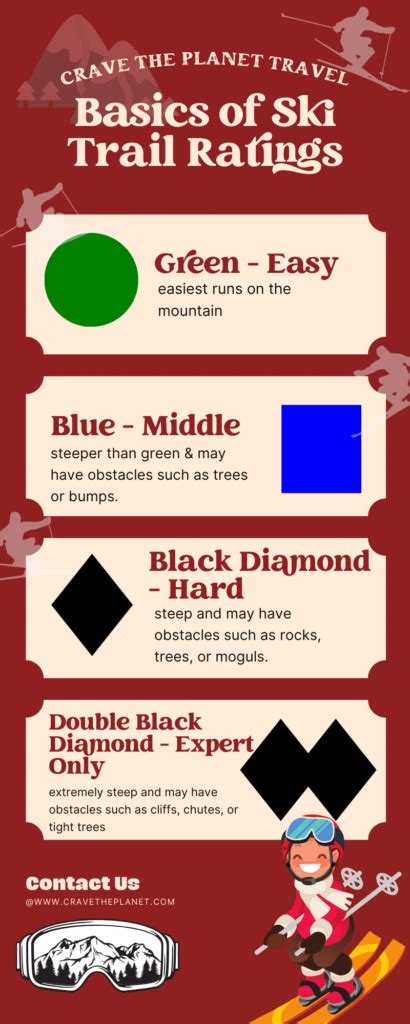
Ski slope codes change by country. In North America, a green circle means a “bunny slope”, or an easier slope tailored for beginners. A blue square indicates that the slope is for intermediate skiers, whereas the black diamonds and double black diamonds are for expert skiers and should be avoided by beginners until they’ve mastered blue square slopes.
Read also: Skiing at Brighton at Night
If you’re skiing abroad, make sure you become familiar with the foreign ski slope symbols and types of trails. If you’re still a beginner, you could find yourself in a dangerous situation skiing down a slope geared towards expert skier. Taking slope types one by one is the best way to become comfortable with skiing.
Essential Skiing Techniques
One of the first things you’ll learn is how to stop. The snowplow technique (also known as the wedge) is fundamental for beginners, helping you to slow down and control your descent. Turning is another key skill, so practice shifting your weight and angling your skis in the direction you want to go.
The Snowplow Technique
You'll be told to point your skis towards each other. The best way to accomplish this is by pointing your skis tips towards one another in a “V” or “pizza slice” shape, all the while going down and crossing the hill lengthwise in an “S” formation. Tilt your skis inwards towards each other. Push your feet apart.
You should also know the reason why you have to snowplow. As your skis become more parallel, you go faster. This makes you slow down. As you're wedge gets wider, you'll go slower. Make your wedge wide enough to come to a stop. This will help keep you in control of speed and direction and avoid any accidents.
Turning Techniques
Second, turn your body in the direction of the turn. Try this experiment. If on your right foot, turn your body to face left. And turn on the ball of the foot. Actually lift off of the ground. This makes you slow down. vary the turn shape to control your speed.
Read also: Maine ski conditions
Choosing the Right Location
It is important to choose a ski resort with a good beginner's area. You want wide, not very steep slopes. Before you book a vacation in a region known for Black Diamond slopes, consider destinations that offer plenty of gentle runs for beginners, as well as top-notch instruction.
Many resorts offer designated beginner slopes. It’s ok to start on these! These areas are usually less crowded and have gentle inclines to help new skiers get the hang of things. Stick to the easiest runs at first; you’ll gain more confidence and experience before tackling more challenging terrain.
Check ahead for the snow conditions. If it has refrozen, and will make a beginner fall every time. If you fall, it will hurt because the ice is hard.
How to Ski | 10 Beginner Skills for the First Day Skiing
Staying Safe on the Slopes
Even the best skiers fall, so it’s important to know how to do so safely. Try to avoid falling backwards or sideways, as that can lead to injury. When you do fall, try to relax your body and avoid tensing up. If you fall, try to fall uphill. Try to land on your butt.
Read also: Night Skiing Guide: East Coast
While you’re skiing, it’s important that you remember to watch for others as you make your way down the hill. The skiers and snowboarders in front of you have the right of way, so it’s imperative that you watch for any sudden stoppers who are taking a quick break or people who lose their balance and fall. Always stay in control.
What to Wear
The biggest complaint of the complete novice is cold feet. Properly fitting ski boots are warm. Very warm. Completely warm. Socks can help here. Do NOT wear jeans, or sweatpants. If you get wet, it's over. But I recommend thick ski pants for beginners. Similarly, your jacket should also be waterproof. Gloves must also be waterproof. Keeping warm isn't hard.
First, start out warm. Little too warm, not quite sweating but close. The colder you are, the more you should move. You may be warm in general but cold in spots. Flex your wrists. The key to improving your beginner ski skills is to find people you trust who are better than you and ski with them. But you’re a slow beginner and you don’t want to hold up your friends, you say?
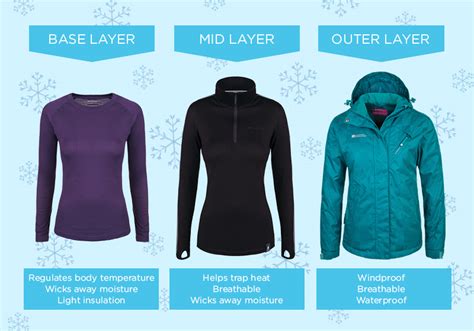
Make sure your clothing is waterproof (no jeans!), and remember that the top of the mountain might be windy and 20 degrees colder than the base. Wear layers so you can add and remove them as necessary. Most of the layers you wear underneath your ski pants and jacket are the same type of layers that you’d wear for hiking in cold weather.
Recommended Gear:
- Wool socks: Avoid cotton, and don’t be tempted to wear super thick socks.
- Sunscreen: The sun reflects off of the snow, and without it, you can end up with a gnarly sunburn.
- Helmet: Be smart and wear one.
Building Strength and Endurance
Don’t wait until you get to your destination to think about building up your leg muscles. The stronger your quads and calves are, the more endurance you’ll have on the mountain. You don’t need to go crazy at the gym, but adding some lunges and squats to your daily routine and taking the stairs instead of the elevator will go a long way.
Choosing the Right Skis
What kind of skis you rent/buy depends on the conditions you will be skiing the most in. If you are looking for an all-mountain ski that can handle a variety of conditions, from soft groomers to choppy snow after a storm, something in the 96-103 mm range will be a good option. The number is the width underfoot and is measured in millimeters.
Shorter skis are easier to maneuver for first-time skiers. Longer skis are more stable at high speeds. As a beginner, you probably won’t be bombing it down the mountain, so you’ll want something on the shorter side. The proper length is also determined by how tall you are.
Additional Tips for Success
Skiing takes time to master, but don’t get discouraged. Every skier, no matter how experienced, started somewhere. Stay positive, enjoy the views, and celebrate your progress. Find someone with inexhaustible patience. To be able to teach you how to ski. Ask them for a dry skiing lesson, in your living room. If confused or unsure, find someone else.