Finding the perfect present for adventurous loved ones can be a challenge. For snow sports enthusiasts, the right mid-layer is an essential piece of gear. A good mid-layer sits between your base layer and your outerwear, and its main purpose is to keep you warm by trapping body heat instead of letting it escape into the cooler outside air.
In the typical three-layer clothing system, the mid-layer is crucial for insulation. There are many mid-layers available to suit various outdoor conditions. Whether it's bristling cold and dry or mild temperatures, there's a mid-layer for every situation. Here’s a breakdown of some of the best mid-layers for snowboarding, covering fleece, synthetic insulation, and down insulation.
Choosing the right mid-layer is important for snowboarders. While a cotton hoodie might seem like an option, it's one of the worst materials to wear during exercise due to its moisture absorption.
How to Choose the Right Mid-Layer
A good mid-layer should be breathable and able to retain heat. The base layer moves moisture away from your body, while the outer layer keeps the elements at bay.
Fleece
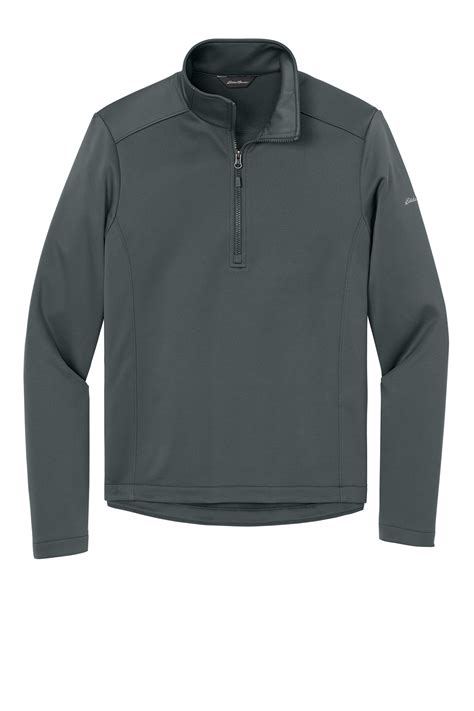
A classic fleece is a good option for a mid-layer. Fleece doesn’t absorb moisture and dries quickly, allowing sweat to leave the fabric and preventing you from getting cold. Those looking to replace their cotton hoodies may find fleece to be their best option. Many brands have improved their fleece offerings in recent years.
Read also: Ski Base Layer Guide
Fleece might not be the lightest option but it’s comfortable, breathable, and keeps you warm. One thing to note is that you should try to avoid washing your fleece too often, and when you do, use a washing bag to prevent microfibers from shedding.
Synthetic Insulation
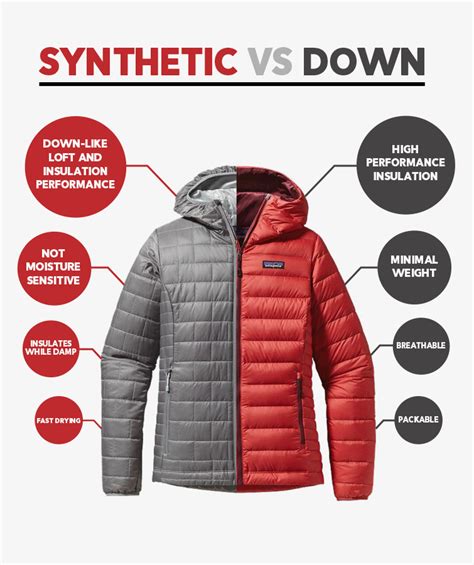
Synthetic insulation is a good alternative to real down, providing warmth while retaining heat more effectively than down if damp. It doesn’t have the same warmth-to-weight ratio as real down, nor is it as compressible or durable. However, it continues insulating when wet as the polyester fibers used absorb nearly no moisture.
In terms of price, synthetic insulation is an affordable option, often ranking between fleece and down insulation.
Down Insulation
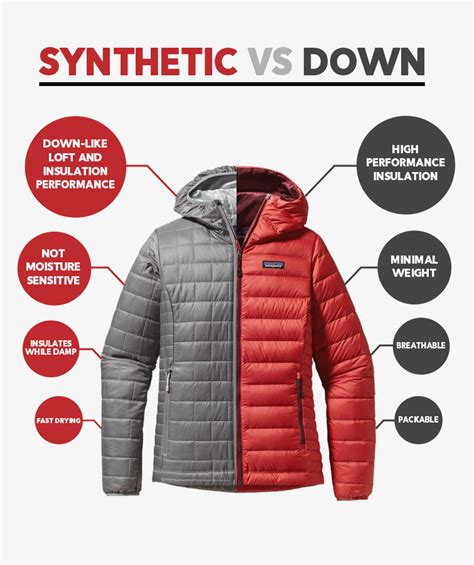
If you’re about to tackle some serious cold, down insulation is your best option, helping to create the warmest mid-layers on the market. However, moisture makes down clump up, lose its ability to trap heat, and thus stop it insulating as well as you’d like it to. This can happen from both outside and inside.
When choosing a down product, pay attention to the down fill power and fill weight. Down insulation relies on the lofts to trap the heat against your body. Fill power measures the quality of the clusters - the higher the fill power, the higher the quality of the clusters. Usually, a mid-range fill power for down insulation falls somewhere between 550-650, while high-end insulations are everything above that.
Read also: In-Depth Sundance Snowboarding
When choosing down insulation, make sure it’s been produced using ethical standards, and that no animals have been subjected to unnecessary harm in the process.
Everything You Need To Wear Snowboarding
Mid-Layer Picks
Here are some of the best mid-layer options available:
- Best Overall Midlayer: Men's Patagonia R1 Air Hoody & Women's R1 Air Full-Zip Hoody
- Best Budget Midlayer: Men's Columbia Steens Mountain 2.0 & Women's Benton Springs
- Best Synthetic Midlayer: Men's Arc’teryx Atom Jacket & Women's Arc'teryx Atom Jacket
- Best Down Midlayer: Men's Rab Mythic Alpine Light & Women's Mythic Alpine Down
- Best Breathable Midlayer: Men's Norrøna Falketind Alpha120 & Women's Falketind Alpha 120
- Most Ultralight and Packable Midlayer: Men's Patagonia Micro Puff & Women's Micro Puff Jacket
1. Men's Patagonia R1 Air Hoody & Women's R1 Air Full-Zip Hoody
Insulation: Fleece
Weight: 13.0 oz. men’s, 11 oz. women’s
What we like: Excellent breathability and temperature regulation; easy to layer.
What we don’t: Not the most weather-resistant.
Patagonia’s R1 Air Full-Zip Hoody excels in temperature regulation. The R1 hollow fiber yarn and zig-zagging pattern work together to both trap warmth and dump heat. The fleece will continue to keep you warm even if it gets damp, and while more prone to pilling than other insulators, the layer is made with premium materials and has held up well to rough use.
2. Men's Columbia Steens Mountain 2.0 & Women's Benton Springs
Insulation: Fleece
Weight: 14.4 oz. men’s, 14.0 oz. women’s
What we like: Inexpensive and comfortable.
What we don’t: Limited warmth and questionable durability.
Read also: Types of Snowboarding Jumps
For days at the resort that aren't super cold, you can often get away with a simple fleece like the tried-and-true Columbia Steens Mountain 2.0 and women's Benton Springs. These no-frills mid-layers are incredibly soft and slide easily over a baselayer and under a rainshell. They're available in a wide range of colors and sizes, making it easy to find the right choice.
3. Men's Arc’teryx Atom Jacket & Women's Arc'teryx Atom Jacket
Insulation: Synthetic
Weight: 11.8 oz. men’s, 9.4 oz. women’s
What we like: Great mix of mobility, warmth, and comfort.
What we don’t: Pricey and not as breathable as other synthetic and fleece options.
Arc'teryx's Atom Jacket is a top-notch mid-layer that nails the essentials. You get an excellent balance of breathability and warmth, great mobility, and a just-right cut that fits most folks really well. The 60-gram synthetic fill offers just enough insulation to cut the cold without looking overly puffy, and stretchy fleece side panels boost ventilation and freedom of movement. Unlike many mid-layers here, the Atom also works great as a standalone jacket with a decently tough and weather-resistant shell.
4. Men's Rab Mythic Alpine Light & Women's Mythic Alpine Down
Insulation: Down and synthetic
Weight: 8.8 oz. men’s, 8.0 oz. women’s
What we like: It's super warm for its weight and offers added wet-weather protection.
What we don’t: Pretty pricey and won’t breathe as well as a fully synthetic jacket.
Rab’s Mythic Alpine Light features a minimalist build, premium 900-fill down, and trim, performance-oriented fit. The hybrid design, which features synthetic insulation in areas most prone to moisture (the collar, shoulders, underarms, and cuffs) for a bit of wet-weather assurance, is a great addition.
5. Men's Norrøna Falketind Alpha120 & Women's Falketind Alpha 120
Insulation: Fleece
Weight: 9.9 oz. men’s, 8.6 oz. women’s
What we like: Lightweight and incredibly breathable.
What we don’t: Pricey and the thin materials lack durability.
The Falketind Alpha 120 Zip Hood fleece combines premium materials and a performance-ready feature set in a thoughtfully designed package. Touted as the brand's most breathable and quick-drying mid-layer, the Alpha120 features a mix of fuzzy and lightweight Polartec Alpha and sleek Power Grid fleece fabrics-the former concentrated around the core for warmth and the latter offering stretch along the underarms, sides, and hood.
6. Men's Patagonia Micro Puff & Women's Micro Puff Jacket
Insulation: Synthetic
Weight: 10.4 oz. men's, 8.9 oz. women's
What we like: The lightweight and packability of down in a synthetic jacket that insulates even when wet.
What we don’t: Not breathable or stretchy.
The Patagonia Micro Puff combines an extremely thin face fabric with Patagonia's light and lofty insulation for a super cozy jacket that stuffs into its left pocket. Its insulation does a better job at mimicking down plumage, providing similar warmth in a low-weight package. The result is a high-performance mid-layer, ideal for weight-conscious pursuits such as backcountry skiing and climbing.
Other Notable Mid-Layers
- Men's Patagonia Nano-Air Light Hybrid & Women's Nano-Air Hybrid: A high-performance combination of synthetic insulation and fleece.
Midlayer Superlatives and Ratings Explained
When assigning a midlayer’s overall score, a holistic approach is taken that’s informed by the product’s key traits. These traits match up with the individual score categories-warmth, comfort, breathability, durability, and versatility-and close attention is also paid to price and value.
Warmth
Warmth is a midlayer’s most important characteristic. None of the midlayers offer the unbreachable insulation of a heavyweight belay parka; rather, they’re meant to be used as part of your layering system, worn over a base layer and under a shell.
Comfort
Besides warmth, this category probably has the greatest influence on whether you’ll reach for a given midlayer again and again or leave it in your closet in search of something better. Fabric feel contributes greatly to comfort, in addition to fit and freedom of movement.
Breathability
The stock you put into breathability depends on your level of activity. If you’re spending much of your time riding lifts in the resort, the ability of a midlayer to shed heat and mitigate sweat buildup is less important than if you’re a backcountry veteran.
Versatility
This metric captures how many different roles a jacket can play: Can it span a wide temperature range, or can you wear it comfortably as a standalone piece around town?
Durability
Because many midlayers use lofted insulation or fabrics that are more delicate than the rest of your ski kit, we place a high value on those that can hold up over many seasons.
Anatomy of a Midlayer
It’s helpful to first break down the three major types of midlayers. Each occupies its own performance niche within the category, and all have their pros and cons.
Down Jackets
Down jackets offer the best warmth-to-weight ratio of the three midlayer types, thanks to down’s exceptional loft, heat-trapping ability, and packability. They’re also among the most comfortable options. The trade-off is breathability: down is less air-permeable than synthetic or fleece, making these jackets less ideal for high-output activities like skinning or uphill hiking.
Fill power is another key factor. Higher fill power means greater loft, warmth for the weight, and compressibility.
Synthetic Jackets
Synthetic insulation is a lofted polyester fill that, like down, traps warm air to keep you comfortable. These midlayers are usually a bit less lofty than their down counterparts and can feel less plush as a result, though many come with soft, sweatshirt-like shells that make them easy to wear all day. The trade-off is efficiency: synthetic insulation isn’t as warm for its weight, so jackets that rival down in warmth tend to be heavier, bulkier, and less packable.
Warmth is typically measured in gram weight, with 60-gram fills running warmer than lighter 40-gram options.
Where synthetic shines is in performance and value. It’s generally more breathable, more water-resistant, and less expensive than down, making it a top choice for active pursuits like backcountry skiing and climbing. Synthetic insulation also retains loft much better when wet, so it’s the smarter pick in persistently damp conditions. For all-around versatility, it’s hard to beat this category.
Fleece Jackets
Fleece jackets don’t use lofted insulation like down or synthetic jackets. Instead, they rely on fabric thickness and composition to provide warmth-though in general, they’re much less insulating than puffies.
What fleeces lack in outright warmth, they make up for in practicality. The low bulk of a performance fleece makes it easy to layer under shells or heavier midlayers, and they’re by far the most breathable option, offering just enough insulation while allowing excess heat to escape. This makes fleeces ideal for high-output activities like ski touring or cold-weather running, where temperature regulation is key. On the other hand, casual fleeces are highly versatile and can get the job done both on and off the mountain. And with price points much lower than most synthetic or down alternatives, fleece midlayers also represent one of the better values in the category.
tags: #mid #layer #for #snowboarding