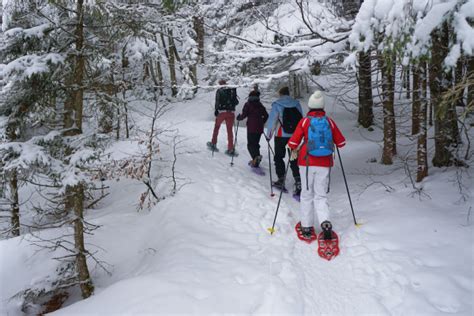
When embarking on a snowshoeing adventure, choosing the right apparel is crucial for comfort and safety. Snowshoeing pants are specifically designed for active winter use, with features like weather-resistant fabrics, reinforced areas to resist abrasion, and construction that allows for greater freedom of movement. They are versatile and can be worn for a variety of winter activities, such as hiking, sledding, or walking the dog.
Key Features to Look For
When selecting snowshoeing pants, consider the following features:
- Water-Resistant or Water-Repellent Materials: Essential for keeping you dry in snowy conditions.
- Wind Protection: Helps to maintain warmth by blocking out cold winds.
- Reinforced Cuffs: Provides extra durability and protection against wear and tear.
- Articulated Knees: Allows for a greater range of motion and flexibility.
- Adjustable Waistbands: Ensures a comfortable and secure fit.
- Secure Pockets: Useful for storing small essentials.
- Built-In Gaiters: Helps to keep snow out of your boots.
Top Recommended Softshell Winter Hiking and Snowshoeing Pants
Here are some of the best softshell winter hiking and snowshoeing pants available:
- REI Activator Softshell Pants: Known for their durability, breathability, and affordability.
- KUHL Klash Pants: Offer a roomy fit, excellent freedom of movement, and quick-drying capabilities.
- Arc’teryx Gamma MX Soft-Shell Pants: Wind-resistant and lightly insulated, providing a superior warmth-to-weight ratio.
- Mountain Equipment Ibex/Chamois Pants: Double woven for extra warmth and durability, with plenty of zippered pockets.
- Fjallraven Abisko Winter Stretch Trousers: Made with 4-way stretch fabric and brushed inside for added warmth.
- Mammut Courmayeur SO Pants: Highly breathable and elasticated, offering great comfort and freedom of movement.
- KUIU Attack Pants: Feature zippered hip vents for effective temperature regulation.
- Outdoor Research Cirque III Softshell Pants: Durable and warm, suitable for winter hiking, backpacking, mountaineering, and ski touring.
- Patagonia Terravia Alpine Pants: Offer a lot of stretch and slim legs, ideal for wearing with crampons.
- Black Diamond Alpine Hybrid Pants: Highly durable with abrasion-resistant reinforcements and super stretchy fabric.
Here's a comparison table of the recommended pants:
How To Choose Your Snow Jackets and Pants
| Make / Model | Men's Model | Women's Model | Fit |
|---|---|---|---|
| REI Activator Softshell Pants | Mens | Womens | Standard |
| KUHL Klash Pants | Mens | Womens | Relaxed |
| Arc'teryx Gamma MX Pants | Mens | Womens | Standard |
| Mountain Equipment Ibex/Chamois Pants | Mens | Womens | Relaxed |
| Fjallraven Abisko Winter Stretch Trousers | Mens | Womens | Relaxed |
| Mammut Courmayeur SO Pants | Mens | Womens | Slim |
| KUIU Attack Pant | Mens | Womens | Relaxed |
| Outdoor Research Cirque III Pants | Mens | Womens | Roomy |
| Patagonia Terravia Alpine Pants | Mens | Womens | Slim |
| Black Diamond Alpine Hybrid Pants | Mens | Womens | Standard |
Personal Experiences and Recommendations
Many users have shared their preferred snowshoeing pant setups:
Read also: Performance Analysis: Black Diamond Ski Pants
- Some prefer soft-shell ski touring pants for winter hiking and snow-shoeing, appreciating their blend of stretchy comfort, warmth, and protection.
- Others opt for a combination of lightweight long underwear bottoms with nylon shorts for milder conditions.
- For really cold and wet conditions, mountaineering bibs are a popular choice for full protection.
- A common setup involves a wicking base layer, regular hiking pants, and rain pants, allowing for versatility in various weather conditions.
Caring for Your Snowshoeing Pants
To keep your snowshoeing pants in great condition:
- Shake off excess snow after each use.
- Let them dry thoroughly.
- Machine wash on a gentle cycle with mild detergent.
- Air dry to maintain the fabric's integrity.
FAQ: Softshell Winter Pants
What are the best winter hiking pants?
Many experienced winter hikers prefer softshell winter pants because they’re simpler to use than wearing rain pants over a pair of long underwear. Softshell pants are also more form-fitting and don’t make any noise.
Are softshell pants good for snow?
Softshell pants are good for snow because they have a DWR coating on the exterior that repels water and they’re highly breathable so you don’t overheat. Hiking in snow or snowshoeing requires a lot of energy and it’s easy to overheat and perspire.
Are softshell pants waterproof?
Softshell pants are far more breathable than the waterproof rain pants that some hikers wear, so you’ll stay cooler and perspire less when working hard when hiking up mountains or snowshoeing. While they have an external DWR repellent coating for enhanced rain resistance, they are not waterproof or as windproof as hard shell rain pants.
Are softshell pants windproof?
Softshell pants are more windproof and warmer than regular hiking pants, but they’re designed to be highly breathable and let some wind through. If you need protection from the wind, we’d recommend layering a pair of wind pants or rain pants over a pair of softshell pants when you need added wind protection.
Read also: Gerry Youth Snow Pants: A Winter Essential
Should you wear a baselayer under softshell pants?
You can wear a baselayer (long underwear) under softshell pants, but it’s often not necessary except on extremely cold days. Softshell pants are warmer than regular hiking pants and usually sufficient to keep you warm when you’re actively hiking or snowshoeing.
How are softshell hiking pants different from ski pants?
Ski pants are usually much heavier, bulkier, and warmer since there is so much start and stop activity involved especially if you’re skiing at a resort with chair lifts. many ski pants also have internal gaiters which are hot and awkward to use when hiking and snowshoeing.
Why do softshell pants have a buried or integrated belt?
A buried or integrated pants belt loops around your waist like a regular belt but is covered with fabric around the back and sides of the pant. This makes the belt compatible with a climbing harness or a backpack hipbelt. When climbing higher mountains, you may be required to rope-in with a climbing harness.
Why do softshell pants have zippered pockets?
Softshell pants have zippered pockets that are usually located in front of the pants and are positioned so they can be easily accessed even if you’re wearing a climbing harness. Zippered pockets are more streamlined than regular pockets and less likely to interfere with gear hanging from a climbing harness.
Why do some softshell pants have ankle cuffs?
Some softshell pants have a built-in ankle cuff on the inside of the legs to provide crampon protection when climbing, backcountry skiing, or winter hiking. The ankle cuff isn’t as substantial as a high gaiter and doesn’t replace wearing them, but can be a useful convenience for winter use, especially if you want to use the same pants for ski touring.
Read also: Snow pants: What to look for
Why do softshell pants have articulated knees?
Articulated knees are baggier than the knees in regular pants and provide more freedom of movement especially for climbing.
What are gusseted softshell pants?
Gussetted pants have added fabric panels, usually triangular, that add more width to the crotch, making it easier to raise your knee when taking large steps or climbing vertical surfaces.
tags: #pants #for #snowshoeing