As the colder months approach, ice skating rinks become a popular place for adults and kids alike. Every year, thousands enjoy this quintessential winter activity. But some choose to stay off the ice. We want to change those minds.
Ice skating offers more than just a chance to glide across the ice - it's a fun and effective way to stay fit and healthy. Whether you're just starting out or already enjoying regular sessions at the rink, this guide will help you understand how ice skating can benefit your body and mind.
Here are some compelling reasons to embrace the ice:
Physical Health Benefits
Skating has many health and fitness benefits to keep you in shape and feeling great!
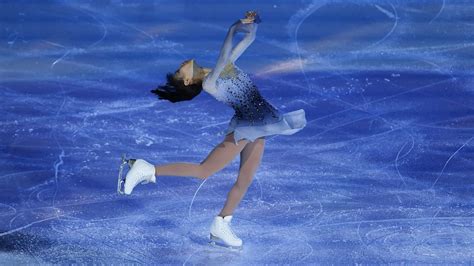
Cardiovascular Health
The cardiovascular benefits of ice skating are documented. Common cardio exercises like running, cycling and swimming get your heart pumping, and ice skating fits right into this category. The American Heart Association recognizes roller skating and ice skating as effective aerobic exercises that help strengthen the heart. Moderate roller skating increases a skater’s heart rate to levels ranging from 140 to 160 beats per minute while skating at top speeds can increase heart rate up to around 180 beats per minute.
Read also: Winter Fun at Hamilton Ice Arena
Calorie Burning and Weight Management
Ice skating burns a lot of calories because it combines aerobic and anaerobic exercise. The calorie-burning benefits of roller skating add up quickly; According to the Harvard Medical School, you can burn between 200 and 600 calories if you skate for a full hour. Weight management can be challenging for us any time of the year, but during the dark cold winter months it’s even more challenging, skating is a great way to combat this plus it’s fun and it’s social. The faster and more vigorously you skate, the more calories you’ll burn. Aim for consistency. Try to hit the rink two to three times a week for at least 45 minutes. Mix up your routine.
Muscle Strengthening
Ice skating is a fantastic way to tone your muscles, especially your legs and core. Ice skating primarily works the leg muscles, including the quads, hamstrings, glutes, and calves, due to the continuous gliding motion. It also engages the core, as maintaining balance requires stabilising your abdominal and lower back muscles. Skating works the legs and glutes as you power through movement while your arms and core get a workout as you balance your body during the movement. Skating also helps build strength, especially in the major muscle groups of the lower body - the gluteals, quads, hamstrings, and calves. Stronger muscles and better coordination work together to prevent injuries and keep you active and limber as you age.
Due to its full body demand, ice skating serves as a solid foundation for other sports. Balance, coordination, and endurance are essential to mastering your sport of choice.
how to ice skate as a COMPLETE beginner from a professional figure skater and coach
Joint Health
Ice skating’s smooth motion is gentle on the joints, making it a great option for those dealing with arthritis or joint pain. Skating provides you with fluid motion that keeps you from damaging your joints. Unlike high-impact activities, skating reduces the stress placed on your knees and hips. According to a study conducted at the University of Massachusetts, skating causes less than 50 percent of the impact shock to joints compared to light jogging. The consistent leg movements involved in skating help maintain joint flexibility, which can ward off stiffness and keep you feeling limber. In other words, an aerobic skating workout has the same benefit as the same amount of time spent jogging, only without joint damage.
Improved Balance, Agility, and Coordination
Skating helps improve balance with the strength of abdominal muscles and lower-back muscles since you must maintain a steady core to stay upright on the narrow blade of the skate. Coordinating balance, arm and leg movement improves coordination. The synchronized movement of the upper body and lower body are also great for agility and proprioception. So, to put it simply if you ice skate regularly you will gain improved balance. Even at leisurely speeds, ice skating improves balance and coordination.
Read also: Ice Skating in Great Neck
Increased Endurance
In addition to increasing muscle strength, skating can help increase muscle endurance. Adding a few uphill climbs to each skating session trains your muscles, along with your cardiovascular system, to use the body’s energy stores more efficiently.
Mental and Social Benefits
Ice skating isn't just great for your body - it can work wonders for your mind too.
Stress Reduction and Mood Enhancement
Physical activities like skating trigger the release of endorphins, those "feel-good" hormones that help lift your mood and reduce stress levels. Have you ever seen a person skating and frowning at the same time? Of course not! This winter, when the days are long, cold, and dark, think about hitting your local skating rink for some fitness fun. Ice skating, rollerblading, and roller skating are all fun ways to exercise.
Social Interaction and Community Building
Hitting the rink makes for a memorable family past-time, a fun outing with friends, or an exciting date. A neighborhood, outdoor skating rink provides that “third place,” as described by Ray Oldenburg, an urban sociologist. In his book, “The Great Good Place,” Oldenburg writes about the importance of informal, public gathering places. He believes “Life without community has produced, for many, a lifestyle consisting mainly of a home-to-work-and-back-again shuffle.
Mental Focus and Self-Confidence
Learning to ice skate also boosts self-confidence and hones focus as you learn the many new moves skating offers, like crossovers, going backwards and spinning.
Read also: Ice Skating at AZ Ice Gilbert
Ice Skating for Children
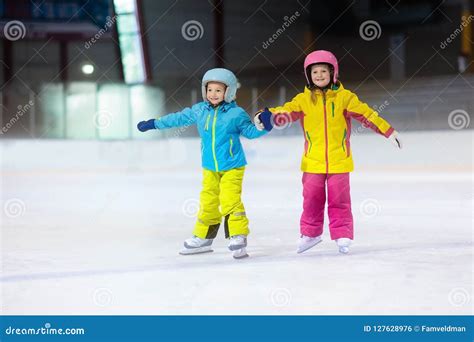
Childhood is a time of growth, exploration, and developing various skills. Engaging in physical activities from a young age can profoundly impact a child’s overall well-being. Ice skating and gymnastics offer many physical, mental, and social benefits.
- Physical Fitness: Ice skating is an excellent way to get kids moving and stay physically active.
- Cardiovascular Health: Skating promotes a healthy heart by boosting cardiovascular endurance.
- Mental Focus: Skaters must concentrate and focus to glide gracefully on ice.
Overcoming Challenges and Getting Started
It’s not guaranteed you won’t fall, but if you do, that’s okay! Everyone around you has fallen at least once while ice skating (probably many more!) and completely understands. There will always be someone to help you get back up. We suggest simply embracing the fall.
Whether you’re attracted to the physical or social aspects of ice skating, we hope you feel a little more excited to step out on the ice. It may be tricky at first, but remember we’re here to support you and help you embrace the fall.
If you're ready to experience these perks, here's how to get started:
- First, take a look at our blog on learning to ice skate as an adult. It’s never too late to start, and this guide offers simple steps to build your skills and confidence - even if you’re a complete beginner.
- Next, make sure you have the right gear. The right equipment is key to safety, comfort, and confidence, especially for younger skaters. Check out our guide to figure skating equipment and what to wear for the best experience on the ice.
- Lastly, safety is crucial.
Where to Skate
You might be surprised at how many outdoor ice rinks we build, given that the core of our business is the indoor community ice rink. For example, we build outdoor ice rinks in community parks, in city centers and even in local shopping center parking lots during the holiday season.
Here's an example of a popular ice skating destination:
Howard Park Ice Trail and Pond
Howard Park’s 16,000 square foot ice trail and pond is a premier winter destination. The ice trail features rolling hills and soft curves that provide skaters with a diverse terrain when making their way around the loop. Ice skating is available throughout the cold-weather season, 7 days a week.
Admission Prices:
| Category | Price |
|---|---|
| Ages 3 - 17 (Admission + Skate Rental) | $10 |
| Adults (Admission + Skate Rental) | $10 |
| Reduced-Rate Admissions (Skate-it-Forward) | $4 (Admission + Skate Rental) |