Boots, bindings, and skis for ski touring have undergone significant technological advancements in recent years, sparking excitement among enthusiasts for lightweight, reliable, and high-performance backcountry gear. However, even with a substantial investment in skis, boots, and bindings, a mediocre gear experience can result from inadequate ski skins.
Skin choice is a critical gear factor affecting the efficiency and comfort of the ascent during ski touring, second only to boot fit. While modern skins may appear similar to those from the 90s, notable improvements have been made. This guide dives into the properties to consider when picking a pair of skins and compares various skins used over the past few seasons.
Everyone has different priorities when it comes to skins, but below are the most important characteristics of skins for me. Farther down in this article, we’ll go into greater detail on how specific skins on the market compare in these regards.
One thing that hasn’t changed much over the years is the material used in the fibers or “plush” of climbing skins - the most common materials are still nylon and mohair fibers.
Mohair is made from the hair of Angora goats, and in addition to being used in climbing skins, it’s also used in a lot of high-end apparel. The synthetic fiber, nylon, is used for a bazillion different things, climbing skins being just one of them. Mohair and nylon each have their upsides and downsides, which we’ll get into below.
Read also: Climbing Skins: A Comprehensive Guide
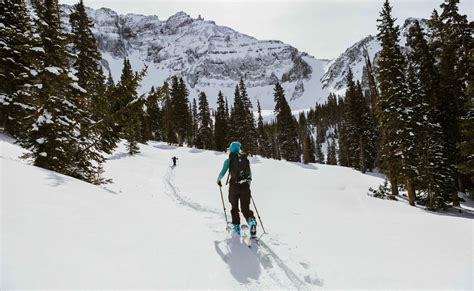
Key Characteristics of Ski Skins
Several factors contribute to a skin's overall performance. These include grip, glide, adhesive quality, durability, tip and tail hardware, packability, weight, and ease of setup and trimming.
1. Grip
When a ski with a skin attached is pressured back against the snow as you try to push off and move forward, fibers of the skin engage with the snow and create traction / grip. Generally, the skins that offer the best grip don’t glide super well, but some people prefer very grippy skins because they often skin very steep and/or icy tracks where grip is important.
Grippier skins can also be helpful for beginners as they’re easier to keep from sliding backward while you work on your technique, though they can also encourage poor technique due to their poorer glide. (If your skins don’t glide well, you may end up picking up your skis off the snow while skinning, instead of the more efficient technique of keeping your skins in contact with the snow during each stride.)
2. Glide
When sliding forward, some materials create less resistance than others because of the same variables mentioned above in the Grip section. Generally, the better the grip, the worse the glide, and vice versa.
All other things equal, mohair skins tend to glide a bit better than nylon. Not only does improved glide help you skin across flatter terrain with less effort and more speed, but at least in my experience, it can also help on steeper ascents because it allows you to use more efficient technique by keeping your skis (and skins) on the snow while pushing them forward.
I still see plenty of people in the backcountry picking their skis off the snow when they slide them forward. I suspect some of them would be able to break this habit with better-gliding skins, and consequently find themselves moving more efficiently through the backcountry.
3. Adhesive
Aside from the various “glueless” varieties alluded to above, most skins rely on some kind of reusable adhesive to stay on the bases of your skis. Some adhesives are super sticky and difficult to remove while others are easy to remove but are more prone to falling off your skis when you don’t want them to. And then there are many that fall between those ends of the spectrum.
If you’re like me and you prefer to keep your skis attached to your boots during the uphill-to-downhill transition, the stickiness of your skins’ adhesive will become more important, since trying to contort your body to rip skins while standing and dealing with an extremely sticky adhesive can be pretty frustrating.
All skin adhesives change over time and most will get less sticky the more you use them, though there are some that, counterintuitively, actually get even stickier and “gummy” after extended use. Some of this variation over time can also be impacted by how and where you store and maintain your skins. For best practices on that, we recommend asking the manufacturer of the skins you use, since best storage practices vary between brands.
4. Durability
Some skins hold up better than others, and the overall durability of a skin will come down to not only its plush / fibers, but also its tip / tail hardware and adhesive. Conventional wisdom is that nylon skins hold up better over the long term than mohair skins. Skins with a thicker plush also tend to last longer than those with a thinner plush.
5. Tip & Tail Hardware
Most modern skins have attachment points at the tip and tail of the ski to keep them in place on your skis. I’ve had some great skins with good adhesive and very nice plush that ruined ski tours because of poor tip and tail hardware.
The tip and tail hardware is one characteristic of skins that tends to differ the most across different brands - almost every brand uses a different style of hardware, with each having upsides and downsides.
6. Packability & Suppleness
I love being able to roll up my skins and shove them into my coat on the descents. When I do put them in my pack, it’s still nice when they are compact and tidy, since it means I have more room for other gear, or gives me the option of using a smaller pack.
Sometimes, however, suppleness and packability come at the cost of snow being able to more easily pack up under skins, especially at the tips, since stiffer materials tend to not fold as much and consequently stay flush with the bottom of your ski bases. As with most gear, there are lots of tradeoffs to consider with climbing skins.
7. Weight
Climbing skin weight is important, but also very tough to quantify (the best way, inconveniently, is to actually get your hands on several different skins). Pomoca, for example, provides weight-per-surface-area stats for their skins, but most other manufacturers do not provide this info.
On our end, it’s tricky to get useful measured weights since there are so many factors that affect skin weight, such as the skin width, length, and tip & tail hardware. And then if you’re cutting skins for different skis, the comparison gets even more convoluted.
But in general, the more packable and thin the skin material, the less it’s going to weigh, so below we’ll provide some subjective thoughts on this in the comparisons. I will say that anyone looking to put together a lighter touring setup should make sure to factor in the skin weight, since that’s weight you’re moving with every single stride.
8. Setup / Trimming
Most skins come with some version of a razor blade or plastic letter-opener-type device that you can use when cutting skins to the shape of your skis. In more recent years, G3 and Pomoca have included clever devices that make cutting skins easier since they automatically trim away the material over your ski’s edges, rather than forcing you to precisely shift the skin to either side to account for the ski’s edges (which you don’t want covered by your skins).
In my experience, really wide skis with edge-to-edge skins generally grip better than a narrower ski with the same skins. On the flip side, wider skis also seem to generate more friction, consequently decreasing glide efficiency. This is all pretty intuitive, given that a larger ski (and therefore, larger skin) creates more surface area that contacts the snow.
So, with that preface, let’s jump into some of the skins we’ve been using a lot over the past few years and have been able to directly compare to each other. We’ll go through each performance category mentioned above and include our thoughts on how the skins stack up against each other.
We’ll be adding more skins to this comparison in the future, but in the meantime, if the skin you’re interested in isn’t listed here, we’d recommend checking out our individual climbing skin reviews and our Winter Buyer’s Guide.
Luke Koppa has also been using several skins that I haven’t used, so he’ll be chiming in here, too. Some of these skins have been tweaked and/or discontinued, which we’ll note where applicable.
Here are the skins we’re comparing for now:
- Black Diamond Ascension STS (full nylon)
- Black Diamond UltraLite Mix (mohair / nylon mix)
- Contour Guide Pure (full mohair)
- Contour Hybrid Mix (mohair / nylon mix)
- Contour Hybrid Pure (full mohair)
- G3 Alpinist+ Glide (mohair / nylon mix)
- G3 Alpinist+ Universal (full nylon)
- G3 Minimist Glide (mohair / nylon mix)
- Pomoca Climb 2.0 (mohair / nylon mix)
- Pomoca Climb Pro S-Glide (mohair / nylon mix)
- Pomoca Race Pro 2.0 (full mohair)
- Pomoca Free Pro 2.0 (mohair / nylon mix)
- Kohla Vertical Mixmohair (mohair / nylon mix)
How To Chose The Right Type of Climbing Skins for Ski Touring
Grip Comparison
Paul Forward: First, all of the skins listed have sufficient grip for any of the skin tracks I frequent. I haven’t recently done a ton of icy, spring-snow skiing, which is where skins tend to suffer most in terms of grip, but for my limited spring skiing and extensive cold-snow skiing, they’ve done well. I do tend to favor lower-angle skin tracks but still encounter steep, icy tracks on occasion.
The only skins that I had slipping issues with were the Pomoca Race Pro 2.0 but I blame a lot of that on the fact that I was using 100mm-wide, straight-cut skins on a pair of the 105mm-wide Blizzard Zero G 105, which equated to quite a bit of base exposed at the tips and tails. The G3 Minimist Glide, Pomoca Climb Pro S-Glide, and Black Diamond UltraLite Mix are all pretty similar in that I’ve experienced almost zero slippage from any of them in any conditions.
Luke Koppa: I have used the Race Pro 2.0 on some super firm, bumpy spring skin tracks and I will say that I’ve had some frustrating issues with slippage, though it’s important to note that this was mostly while sidehilling, which meant I was only engaging a fraction of the ski / skin (a set of ski crampons would’ve been ideal in these instances). On mellow, icy skin tracks where I was skinning more bases-flat (on a 91mm-wide ski), I have had few issues, provided that I focused on keeping my skis / skins contacting the snow during each stride.
As for the two full-nylon skins here, the Black Diamond Ascension and G3 Alpinist+ Universal, I’d say their increased grip is quite subtle compared to mohair / nylon mix skins like the Pomoca Climb 2.0, Black Diamond UltraLite Mix, Contour Hybrid Mix, and G3 Alpinist+ Glide.
Here’s how we’d rank these skins in terms of grip. And while we are ranking these in a list, it’s worth noting that we’ve found all of the mohair / nylon mix skins to be pretty similar when it comes to both grip and glide. In our experience, you really start to notice a difference when going to a full nylon or full mohair skin and we’ll call out which skins truly stand out from others, so don’t get too caught up in the specific placement of the mix skins in the middle of this spectrum.
Best Grip
- Black Diamond Ascension (full nylon)
- G3 Alpinist+ Universal (full nylon)
- Pomoca Climb 2.0 (mohair / nylon mix)
- Pomoca Climb Pro S-Glide (mohair / nylon mix)
- Contour Hybrid Mix (mohair / nylon mix)
- G3 Minimist Glide (mohair / nylon mix)
- G3 Alpinist+ Glide (mohair / nylon mix)
- Kohla Vertical Mixmohair (mohair / nylon mix)
- Black Diamond UltraLite Mix (mohair / nylon mix)
- Pomoca Free Pro 2.0 (mohair / nylon mix)
- Contour Hybrid Pure (full mohair)
- Contour Guide Pure (full mohair)
- Pomoca Race Pro 2.0 (full mohair)
Worst Grip
Glide Comparison
Paul: I’ll just reveal now that the Pomoca Race Pro 2.0 is currently my favorite skin on the market. It has as good or better glide than any skin I’ve ever used, no matter the snow surface. Other pure-mohair skins like the pair that came with my Volkl VTA 88 are also quite good but it feels like the Race Pro 2.0 might be slightly better.
The big caveat with the Race Pro 2.0 is that, as the name implies, it is intended for narrow, short skimo race skis. It has been available in 100mm-wide rolls, but currently, Pomoca only lists it as available in a maximum width of 85 mm.
The G3 Minimist Glide, Black Diamond UltraLite Mix, and Pomoca Climb Pro S-Glide are also very good when it comes to glide. And, to be fair, G3 does offer the Minimist in a 100% Mohair version (the “Minimist Speed”) that is probably a more fair comparison to the Race Pro 2.0 (we just haven’t been able to compare the two).
On many days in the backcountry, I’ve toured with different skins on each ski to A/B test them and all of the skins with a mix mohair / nylon plush felt pretty equal. All of the pure-mohair and mohair / nylon mix skins listed here offer markedly better glide than any pure-nylon skins I’ve used.
For comparison, I grabbed a few varieties of nylon skins that I had laying around from Black Diamond and G3 and the difference in friction between the two is notable.
Luke: Yep, I agree. While I find that most mohair / nylon mix skins grip quite similarly to full-nylon skins in most conditions, I think the difference in glide is much more noticeable. That said, for short tours, I also don’t really mind the increased friction of a full-nylon skin, it’s just that I’d personally pay a bit more for a better-gliding skin (and the other upsides that those skins often come with, like packability and lower weight).
I agree with Paul in that most of the mohair / nylon mix skins I’ve used have felt very similar when it comes to glide. The main exception I’ve noticed is Pomoca’s Free Pro 2.0 - it seems to glide a bit better than any mix-plush skin I’ve used, and also offers a bit less grip.
It’s not quite as slick and efficient as Pomoca’s Race Pro 2.0, but the Free Pro 2.0 is currently my overall favorite skin because of its performance across the board, and the fact that it’s compatible with a wide variety of skis.
Here’s how we’d rank these skins in terms of glide. And again, don’t focus too much on skins that are right next to each other in this spectrum, as the differences between them are likely quite subtle.
Best Glide
- Pomoca Race Pro 2.0 (full mohair)
- Contour Hybrid Pure (full mohair)
- Contour Guide Pure (full mohair)
- Pomoca Free Pro 2.0 (mohair / nylon mix)
- Black Diamond UltraLite Mix (mohair / nylon mix)
- G3 Alpinist+ Glide (mohair / nylon mix)
- G3 Minimist Glide (mohair / nylon mix)
- Pomoca Climb Pro S-Glide (mohair / nylon mix)
- Pomoca Climb 2.0 (mohair / nylon mix)
- Kohla Vertical Mixmohair (mohair / nylon mix)
- G3 Alpinist+ Universal (full nylon)
- Black Diamond Ascension (full nylon)
Worst Glide
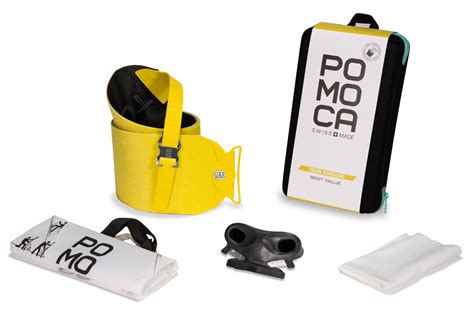
Pomoca Tour Pro: A Closer Look
As its name suggests, the Tour Pro is purpose-built for guides and serious backcountry users. Compared to the other skins in the Pomoca stable, the Tour Pro has the longest plush length, providing the best grip out of the lineup. To reduce friction while skinning, the Tour Pro features a permanent glide treatment that gives it exceptional gliding mannerisms, allowing you to move with efficiency on a big day out. This glide treatment also helps to resist the dreaded snow glop of Spring.
Utilizing a 65-35% mohair-nylon blend, the Tour Pro is built to stand up to regular use while the Safer Skin Light (SSL) membrane prevents the glue from being contaminated with moisture, providing reliable adhesion even in wet Spring conditions. As Pomoca themselves attest, the Tour Pro has the best glide, best anti-glopping properties, and the best durability out of any mohair-nylon skin they produce.
Sizing Guide
Generally, it is suggested buying skins off tail width and then trimming them down to size. When sizing skins, it is best to ensure coverage underfoot throughout the tails, as this is the portion of the skin doing the most work.
Pomoca Ski Touring Skins: Size Guide
| Ski Model | Ski Length (cm) | Recommended Skin Size |
|---|---|---|
| Elan Ripstick 88 | 161 | 100mm x 155-170cm |
| Atomic Backland 101 | 172 | 120mm x 165-180cm |
| Atomic Backland 107 | 179 | (Consult specific model for best fit) |
| Volkl Katana V-Werks | 177 | (Consult specific model for best fit) |
| Black Diamond Carbon Convert | 188 | 123mm or 140mm (123mm often sufficient) |
| Blizzard Zero G 95 | (Unspecified) | 120mm (Most Preferred) |
Note: Always double-check the manufacturer's sizing chart for the most accurate recommendation.
The Ripstick 88 has a tail width of 104mm. Accounting for a total of ~4mm of edge material, the 100mm skin width would fit perfectly, leaving less waste from trimming.