Purchasing used skates or inheriting hand-me-downs can be a fantastic way to save money while diving into the exhilarating world of hockey or figure skating.
Buying used blades can be a little risky, but you can save half off or even more. Let’s explore some key considerations to ensure you make a smart choice.
Where to Find Used Ice Skates
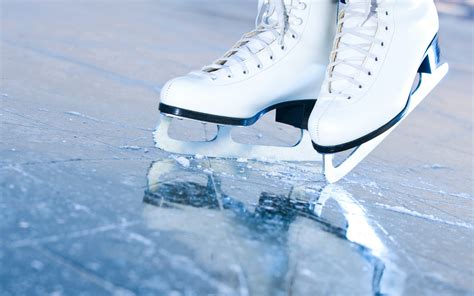
Check eBay and other online sources (search “used figure skates” also try “ice skates“), and you will see lots of offers. You can also find used skates at some skate shops and sports shops. Also check bulletin boards at the rink. Don’t buy the first cheap skate you see.
Key Considerations Before Buying
Firstly, find out what you will be doing with your used skates. If you are a recreational skater who skates less than 5 to 6 times a year, then used ice skates can be an ideal choice for you. However, if you are a beginner and taking lessons, these used skates might not provide you with the comfort you need. Therefore, every skate solves a different purpose; it is you who is supposed to find out for which purpose you are buying a pair of skates.
Be sure you consider only boots and blades that fit your level of skating. Do not buy a boot for a more advanced level, just because you can get a deal. More advanced boots are stiff to support jumps. You do not want super stiff boots if you are a beginner. New skates for advanced skaters are too stiff for beginners. The toe pick is also too big for beginners. Used skates can be less stiff, but the toe pick stays the same . . . still too big for beginners.
Read also: Choosing Affordable Hockey Skates
A beginner might even like the fact that the skates were “broken in” a bit. More advanced skaters needing stability for jumps should probably steer clear of used skates.
Assessing the Blades
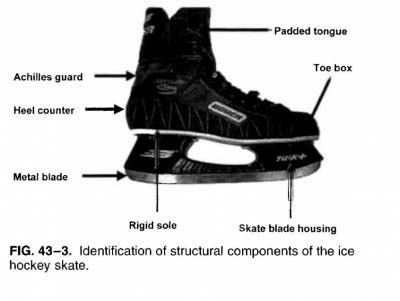
An often overlooked part of shopping for used skates is the condition of the blades, or runners. If the runners are near or below 3/8 of an inch (approximately 9.5 mm), they may not have much life left. This can impact your performance and may require replacement sooner than expected.
Blade height can both hinder your ability to sharpen skates because they won’t fit properly in the machine, and more importantly, low blade height can lead to “bottoming out” during skating maneuvers. “Bottoming out” occurs when skating on an angle, such as during tight turns. Because the blade is too low, the plastic blade holder can touch the ice and lift the blade off the surface, taking away your grip and causing a certain fall.
Before you hit the ice with your newly acquired skates, it’s important to ensure they’re in good repair. During the inspection, we also provide advice on proper skate care and maintenance. This includes tips on how to dry your skates after use, store them properly to prevent rust, and identify signs of wear that may require professional attention.
Questions to Ask
- Ask the previous owner the reason why they are selling the blade.
- Ask how long they skated in the blade and what skills they attempted while using the blade.
Examining Blade Wear
Look at the thickness of the dull strip on the sides of the blades along the edges. They were three or four millimeters when new. If they're now thin, then the blade has been sharpened many times. The concern will be that the rocker may be distorted after many sharpenings which is almost impossible to restore without specialized equipment. Also, ask how many times the blades have been sharpened, and at what radius of hollow they are sharpened.
Read also: Ice Skate Innovation: Bauer TUUK
Ask the skate sharpener at your rink to examine the blade. They can tell you if the blade is bent, incorrectly mounted or obviously damaged by abuse or bad sharpening.
Visual Inspection
- Compare the blades side by side, do they match? Not sure?
- Do the rockers look like the ones you plan to buy?
If you can't inspect the blades yourself, a picture is worth a thousand words. Have the seller send you 4 photos: one of each side of each blade. Make sure the rocker shape appears intact in all 4 photos and that the same amount of sharpenable blade appears to be remaining in each photo.
Customizing Used Skates for Optimal Fit
Despite what critics might say, it is entirely possible to take a used skate and achieve a proper fit for a different player. Yes, skates do eventually mold to a player’s foot, and while no two players have identical foot shapes, you can still adjust a used pair of skates to fit comfortably and perform effectively.
One of the most effective ways to customize used skates to your feet is through heat molding, or “baking.” This process involves gently heating the skate boots to make them pliable, allowing them to conform precisely to the contours of your feet. This customization is essential for maximizing comfort and preventing blisters or pressure points. Heat molding is particularly beneficial for those with unique foot shapes or who have experienced discomfort in standard skate sizes.
Used skates often require adjustments to accommodate the unique shape of your feet. Stretching can increase the width of the skate, providing more room for wider feet. Punching, on the other hand, targets specific areas of the boot to relieve pressure on protruding bones, such as “Bauer bumps”-small, bony protrusions often found on the outside of the foot.
Read also: The Story of Leather Ice Skates
Understanding Bauer bumps is essential for skaters who experience discomfort due to these bone protrusions. Our technicians have extensive experience in addressing these issues, using precise techniques to punch out the affected area without compromising the integrity of the boot. Stretching and punching are not just about comfort; they are also about enhancing performance. A properly fitted skate allows for better energy transfer from your foot to the ice, which can improve speed and agility.
The Importance of Skate Sharpening
No matter how well-fitted your skates are, they won’t perform well without properly sharpened blades. Our expert skate sharpening service ensures that your blades are honed to perfection, providing you with the grip and agility needed on the ice.
Sharpening is more than just a routine maintenance task; it’s a crucial component of skate performance. Dull blades can lead to slips and falls, reducing your confidence on the ice. By maintaining sharp edges, you can execute turns and stops with greater precision, which is essential for both recreational skaters and professional athletes.
Boot Stiffness
When selecting skates, the boot’s stiffness is a critical factor that varies with the player’s level. Higher-end skaters often require stiffer boots for better support and control during complex maneuvers. However, hand-me-downs might not always provide the necessary stiffness for advanced players, potentially hindering their performance.
Understanding the importance of boot stiffness is crucial for skaters looking to progress in their sport. A boot that is too soft can lead to a lack of support, making it difficult to perform advanced techniques. Conversely, a boot that is too stiff can cause discomfort for beginners.
Additional Tips for Maintaining Your Skates
- Regular Maintenance: Keep your skates in top condition by regularly checking for wear and tear.
- Proper Storage: Store your skates in a cool, dry place to prevent rust and material degradation.
- Personalized Fit: Don’t hesitate to invest in custom insoles or orthotics if needed.
- Routine Checks: Make it a habit to check your skates before and after each use.
Finding the Right Skate Size
Use this chart to match shoe size to hockey skate size. For Americans, a good rule of thumb is to subtract 1.5 from your shoe size.
This chart will allow you to "decode" hockey skate sizes, but be aware of make and model tendencies: certain lines run wider (ex. Bauer Nexus and CCM Super Tacks), and certain lines run narrower (ex. Skate Fit System.
Signs You Need to Replace Your Hockey Skates
Even the most reliable skates have a lifespan.
- Loss of Ankle Support: Hockey skates offer essential ankle support to prevent sprains and twists. However, as the boot deteriorates, it may lose its rigidity, leading to poor technique, reduced agility, and a higher injury risk.
Expert Tip: Moisture buildup in boots can weaken materials and support. After each use, untie the laces and open the boot to dry. Stuff them with newspaper or moisture-absorbing material to absorb sweat.
- Dull Blades: Dull blades can hinder your stride power, reduce your grip on the ice for turns and stops, and increase your risk of falls. Nicks and chips can snag, compromising your edge and agility.
Expert Tip: The frequency of skate sharpening depends on the player.
- Damage to the Boot: Hockey skates experience wear and tear, resulting in cracks, tears, or damaged lining. These issues can affect comfort and performance and lead to injuries.
Expert Tip: Wipe your boots down after skating and let them dry at room temperature to maintain their condition.
- Poor Fit: A good-fitting skate is essential for performance and comfort. Over time, your feet may change, or the skates may stretch, leading to a poor fit. Ill-fitting skates can cause blisters, foot pain, and reduced control.
Expert Tip: Heat molding is a great option for achieving a perfect fit to break in a pair of skates. Professionally molded skates ensure you move as one on the ice.
How to Fit Steel Into Your Hockey Skates
First and foremost, you need to know which type of holders your skates have. For example, if you own a Bauer Vapor Hyperlite, you must determine if your holders are the new Fly Holders, LightSpeed Edge Holders, or the original LightSpeed Holders.
Once you've identified your holders, the next step is to determine the blade size you need. It’s not enough to say, “I wear a size 10 skate.” The actual blade size can vary significantly.
To find the exact blade size, look for a number on the outside of the boot, positioned between the second and third rivet. This number corresponds to the size of the blade you need to order. For example, if you see “306” in that location, you’ll want to look for blades that fit into a LightSpeed holder.
Buying used gear is a sustainable way to score high-quality items at a fraction of the cost. Not only can you find great deals, but you might also stumble upon rare or discontinued gear that’s no longer available in stores.
With careful inspection, proper adjustments, and regular maintenance, you can transform a pair of used ice skates into a high-performing and comfortable asset for your skating journey.